





By Editorial Staff
November 11, 2026
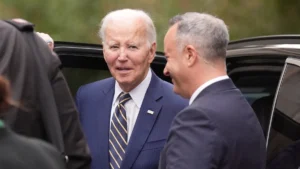
In the twilight of a political career that spanned over half a century, former President Joe Biden has broken his silence regarding the health struggles that shadowed his final months in the White House. In an intimate and sweeping interview with People magazine—timed to coincide with the release of his highly anticipated memoir—Biden offered a candid reflection on the intersection of personal tragedy and public duty, revealing for the first time that his 2024 re-election bid would have never materialized had he known the medical reality he was facing at the time.
The Revelation: A Diagnosis Post-Presidency
For months, rumors regarding the physical state of the 46th president during his final year in office have circulated through the halls of Washington. However, the confirmation came directly from Biden himself: he was unaware that he was suffering from cancer while serving as the leader of the free world.
"If I had known that I was feeling lousy because I had cancer, I would’ve not gone forward," Biden said, referring to his decision to seek a second term. The diagnosis of metastatic prostate cancer arrived only months after he vacated the Oval Office in early 2025.
Biden, who will celebrate his 84th birthday on November 20, 2026, was stark in his assessment of the physical toll the presidency takes, especially when compounded by a serious illness. "I don’t think an 80-year-old man with cancer should be running," he admitted. This statement serves as a poignant coda to a campaign that was defined, in part, by concerns over his age and stamina—a narrative that reached a breaking point following his June 2024 debate performance against Donald Trump.
A Chronology of a Campaign in Decline
To understand the gravity of Biden’s admission, one must revisit the turbulent timeline of the 2024 election cycle.
- Early 2024: Biden officially launches his re-election campaign, emphasizing the "soul of the nation" and the necessity of preventing a second Trump term.
- June 2024: The pivotal, disastrous debate performance against Donald Trump occurs. While critics labeled it a catastrophe that signaled a loss of cognitive and physical sharpness, Biden maintains that the event was overstated.
- July 2024: Following mounting pressure from within the Democratic Party and public scrutiny, Biden announces he is withdrawing from the race. He pivots by endorsing his Vice President, Kamala Harris.
- Late 2024: Kamala Harris secures the Democratic nomination but ultimately loses to Donald Trump in the general election.
- January 2025: Joe Biden departs the White House, marking the end of his formal political career.
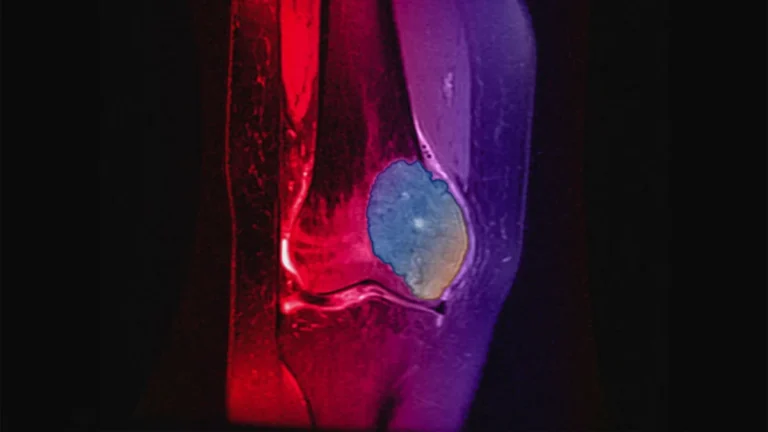
- Spring 2025: Biden is diagnosed with metastatic prostate cancer, finally providing a clinical explanation for the fatigue and malaise he experienced during his final year in office.
- August 2026: Hunter Biden reveals in a BBC interview that his father’s condition has worsened, describing the cancer as "very painful and very debilitating."
The "Non-Consequential" Debate
One of the most intriguing aspects of Biden’s interview is his insistence that the June 2024 debate was not the catalyst for his downfall. Despite the seismic political fallout that occurred in the immediate aftermath, Biden remains dismissive of its impact.
"First of all, I thought there’d be another debate, which there wasn’t," he remarked. "But notwithstanding the fact that there wasn’t another debate, it didn’t disturb me because it wasn’t consequential."
Political analysts remain divided on this assessment. While Biden views the event as a minor speed bump, the internal party panic it triggered was arguably the primary driver of the shift toward Kamala Harris. Biden’s refusal to acknowledge the debate as a turning point suggests a deep-seated belief in his own capability, even as he simultaneously acknowledges that his underlying health status would have precluded his candidacy.
Defending the Legacy and the Pardon
Beyond his health, the former president addressed the controversial decision to pardon his son, Hunter Biden, following the younger Biden’s conviction on federal felony gun charges and his guilty plea to tax charges.
The pardon, which drew intense backlash from Republican lawmakers and some constitutional scholars, was framed by the former president not as a matter of nepotism, but as a defensive maneuver against political retribution. Joe Biden expressed a deep-seated fear that Donald Trump would weaponize the justice system against his family members.
"He goes after people without any basis, whether they’re viewed as an enemy. I knew what he would do," Biden stated. "If I hadn’t pardoned—not just some of my family members, anyone who’s dealt with me—he would go back and try to do harm to them."
This protective stance underscores the bitterness that defines the current political climate. Biden, reflecting on his son’s recent public transformation—which includes a foray into cryptocurrency and an active, combative presence on social media—described Hunter as "one of the brightest men I know." Despite the friction the pardon caused for his own historical legacy, the elder Biden remains steadfast in his pride, viewing his son as a victim of a larger, systemic campaign of character assassination led by his political rivals.
Implications for Governance and Age
Biden’s reflections invite a broader, uncomfortable conversation about the requirements of the presidency in the 21st century. While he firmly believes he was the "best-equipped person to do the job" due to his decades of experience, international relationships, and institutional knowledge, he acknowledged that age should be viewed as a relevant factor in future elections.
His testimony highlights the "invisible" nature of executive health. In an era where information is instantaneous, the disconnect between a leader’s internal reality and their external performance can create a crisis of transparency.
The political implications for the Democratic Party are significant. With the party currently in a rebuilding phase following the 2024 loss, Biden’s admission effectively closes the book on the "Biden Era." It removes the lingering question of whether he "knew" and chose to stay, clarifying that his decision to exit was rooted in a lack of complete diagnostic information.
The Future of the Biden Memoir
As the public begins to digest the contents of his forthcoming memoir, historians will likely pore over these final interviews to reconcile the Biden of the campaign trail with the man grappling with a terminal diagnosis.
Hunter Biden’s recent remarks to the BBC provide a necessary, if somber, context for the former president’s words. The "debilitating" nature of the cancer described by the son contrasts with the "experience and deep relationships" cited by the father. This dichotomy—between the physical body failing and the political mind remaining engaged—serves as the central theme of the final chapter of Joe Biden’s life.
Conclusion: A Final Appraisal
Joe Biden leaves the stage as a complex figure who navigated the highest office in the land under conditions of extreme personal hardship. His admission that he would have bowed out had he known about his illness will likely be interpreted by some as a tragic oversight, and by others as a testament to his dedication to the office.
As the nation looks forward, the lessons drawn from the 2024 cycle—regarding presidential health transparency, the limits of familial loyalty, and the standard of fitness for office—will continue to resonate. For now, Biden’s message is one of closure: he was a man who gave his final strength to a country he believed in, even as his own biology was quietly staging an exit of its own.
"I believe that on an objective basis, I was the best-equipped person to do the job," Biden concluded. Whether history agrees with that assessment remains to be seen, but the transparency of his final days in the spotlight ensures that the debate over his legacy will be as robust as the career he left behind.