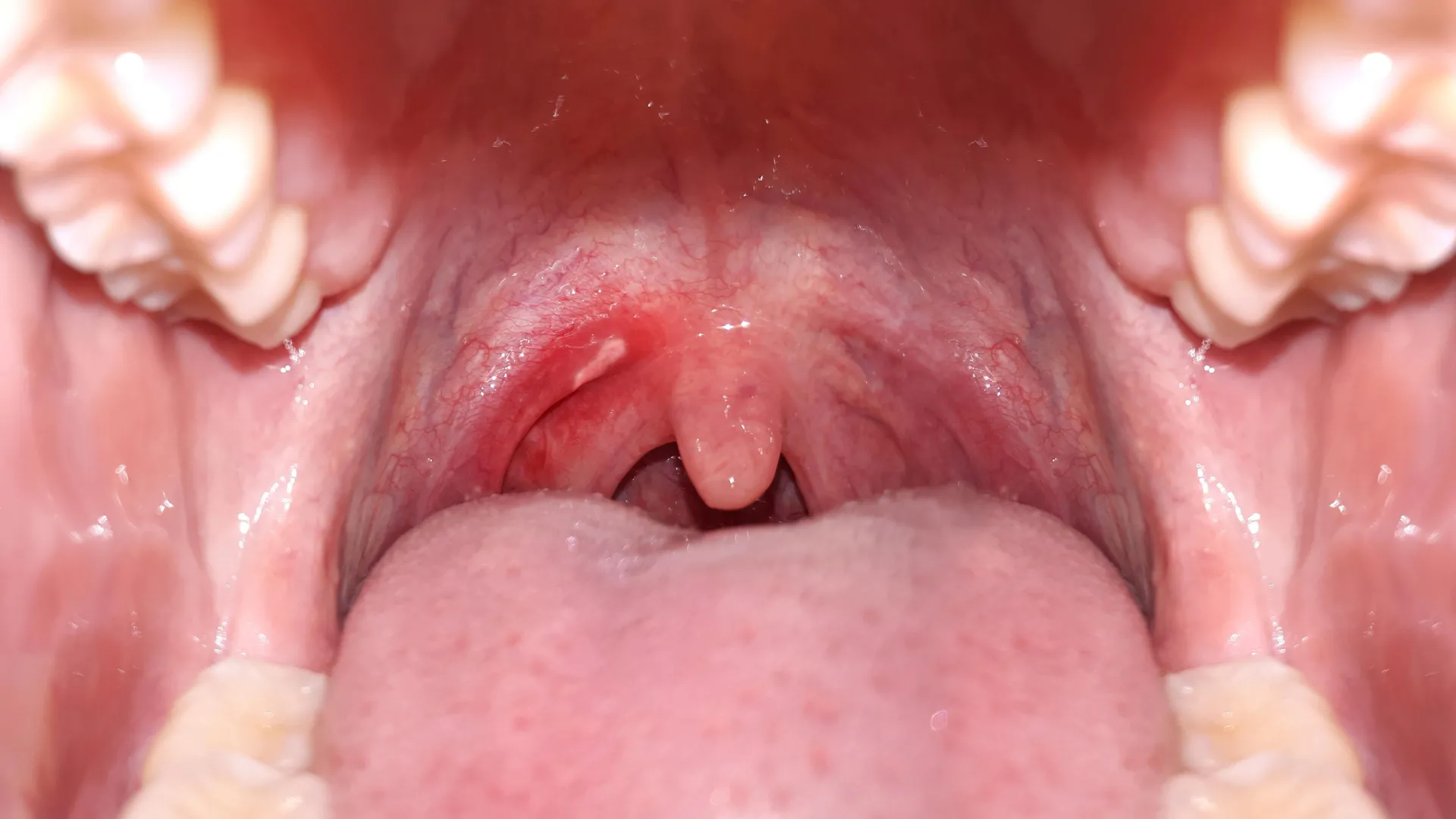
A landmark study published in the open-access journal BMJ Global Health has sounded a definitive alarm regarding the intersection of alcohol consumption and oral health in India. The comprehensive research, which analyzed data spanning over a decade, reveals a chilling reality: there is no "safe" threshold for alcohol consumption when it comes to the risk of developing buccal mucosa cancer—the cancer of the inner lining of the cheeks and lips.
The findings suggest that even modest daily intake can dramatically elevate risk, with the dangers compounded significantly by the pervasive use of chewing tobacco. As India grapples with some of the highest rates of mouth cancer globally, this study provides a stark mandate for policy reform, particularly regarding the unregulated market of locally brewed alcoholic beverages.
The Magnitude of the Crisis: Main Facts and Figures
Mouth cancer has cemented its position as the second most common malignancy in India, representing a significant public health burden that continues to intensify. Current estimates indicate that the nation faces approximately 143,759 new diagnoses annually, leading to nearly 80,000 deaths. With incidence rates currently hovering just below 15 cases per 100,000 men, the disease is not merely a clinical challenge but a social one.
The study’s most alarming revelation is the lack of a protective lower limit for alcohol. Researchers found that consuming as little as 9 grams of alcohol daily—equivalent to a single standard drink—is associated with a 50% increase in the risk of buccal mucosa cancer. Furthermore, the prognosis for those diagnosed remains bleak; the five-year survival rate stands at a meager 43%, highlighting the urgent need for early detection and, more importantly, primary prevention.
A Longitudinal Investigation: Chronology of the Research
The study utilized a case-control design to untangle the complex relationship between lifestyle habits and carcinogenesis. Between 2010 and 2021, researchers recruited 3,706 participants across five major study centers in India. The cohort consisted of 1,803 individuals diagnosed with buccal mucosa cancer and 1,903 control subjects without the disease.
The age distribution of the participants underscores the urgency of the situation: the majority were aged between 35 and 54, with a staggering 46% of cancer cases occurring in young adults between 25 and 45. By tracking these individuals over an eleven-year window, researchers were able to categorize drinking habits based on both internationally recognized beverages (such as beer, whisky, and rum) and 30 distinct types of locally brewed alcohol (including apong, bangla, chulli, desi daru, and mahua).
Data collection was exhaustive, requiring participants to detail the duration, frequency, and specific types of substances consumed. This methodology allowed the team to isolate the impact of alcohol while accounting for the long-term influence of tobacco use—a variable that has historically clouded the data in Indian epidemiological studies.
Supporting Data: The Synergistic Danger of Alcohol and Tobacco
The interaction between alcohol and tobacco is the primary driver of oral cancer in India, a fact confirmed by the study’s data. Among the cancer patients, 781 reported alcohol consumption, whereas in the control group, only 481 did so. Patients with cancer also reported a longer history of tobacco use—averaging 21 years compared to 18 years in the control group.
The risk escalation is non-linear and aggressive:
- Alcohol Alone: Individuals who consumed alcohol had a 68% higher risk of developing cancer compared to abstainers.
- International Brands: For those who favored commercial, internationally recognized spirits, the risk rose to 72%.
- Locally Brewed Spirits: The risk climbed to 87% for those consuming locally brewed alcohol.
- The Combined Effect: Perhaps most terrifying is the synergy between alcohol and chewing tobacco. The study found that their combined usage leads to a fourfold increase in risk. Researchers estimate that this lethal pairing is responsible for 62% of all buccal mucosa cancer cases in India.
Mechanisms of Vulnerability: Why Alcohol Matters
The researchers propose a biological mechanism for how alcohol facilitates tumor growth. Ethanol, the primary active ingredient in alcoholic beverages, appears to alter the lipid composition of the oral cavity’s soft tissue. This alteration increases the permeability of the buccal mucosa, effectively "opening the gates" for carcinogens found in tobacco products to penetrate deeper into the cellular structure.
This chemical interaction explains why the risk remains high regardless of how long a person has used tobacco. By acting as a solvent, alcohol enhances the efficiency with which tobacco’s toxic compounds reach the DNA of the mucosal cells, accelerating the mutation process that leads to malignancy.
The Unregulated Shadow Market
A significant portion of the study focuses on the danger posed by locally brewed liquor. Unlike commercial brands, which are subject to standardized production protocols, local brews are largely unregulated. The researchers highlight that these beverages are frequently contaminated with toxic byproducts, including methanol and high concentrations of acetaldehyde.
In some rural instances, the alcohol content of these unregulated concoctions has been measured as high as 90%. Because these products operate outside the purview of the formal economy, they are cheaper and more accessible to vulnerable populations in rural areas, such as those in the states of Meghalaya, Assam, and Madhya Pradesh. In these specific regions, the contribution of alcohol to the overall cancer burden is significantly higher, reaching nearly 14% of all cases.
Official Responses and Regulatory Challenges
The legal framework for alcohol control in India is notoriously fragmented. Under the Seventh Schedule of the Indian Constitution, alcohol is a "State Subject," meaning that each individual state has the authority to regulate its production, distribution, and sale. This leads to a patchwork of laws that often leaves loopholes for the informal, unregulated alcohol sector to flourish.
While central legislation exists to provide overarching protections, the enforcement of quality standards for locally brewed spirits remains virtually non-existent. Public health experts have long argued that this legislative complexity hinders a unified national strategy for cancer prevention. The BMJ Global Health study serves as a scientific indictment of this regulatory vacuum, suggesting that the current legal framework is insufficient to curb the rising tide of alcohol-related cancers.
Implications for Public Health Policy
The authors of the study conclude with a powerful, if sobering, assessment: "Our findings suggest that public health action towards prevention of alcohol and tobacco use could largely eliminate [buccal mucosa cancer] from India."
To move from diagnosis to prevention, the following implications must be addressed:
- Public Awareness Campaigns: Current messaging often focuses on the dangers of tobacco. This study necessitates an immediate shift to include the "hidden" risk of alcohol, emphasizing that even "one drink a day" is not harmless.
- Regulation of Local Markets: There is an urgent need for the standardization and oversight of local breweries. If these markets cannot be effectively regulated, they must be brought under strict fiscal and health monitoring to prevent the sale of products with dangerous alcohol concentrations or contaminants.
- Integrated Screening Programs: Given the high synergy between tobacco and alcohol, screening programs in high-risk states like Assam and Madhya Pradesh should be integrated. Medical professionals should be trained to identify the early warning signs of buccal mucosa changes specifically in patients who report combined use of these substances.
- Taxation and Pricing: Standardizing excise policies across states to reduce the price gap between regulated and unregulated alcohol could help shift consumption patterns toward safer, monitored products, though this remains a complex political challenge.
As India looks toward the future of its public health, the message from the scientific community is clear: the path to reducing the staggering death toll of mouth cancer lies in acknowledging the synergistic danger of alcohol and tobacco. Without a coordinated effort to address the consumption of unregulated spirits and the normalization of daily alcohol use, the nation will continue to lose thousands of citizens to a largely preventable disease.