










In the landscape of modern medicine, we have historically categorized chronic illnesses into silos: heart disease is treated by cardiologists, kidney issues by nephrologists, and metabolic conditions—like diabetes and obesity—by endocrinologists or primary care physicians. However, a groundbreaking shift in medical understanding is underway, revealing that these systems are not just neighbors in the human body; they are deeply interconnected.
This realization has culminated in the formal definition of Cardiovascular-Kidney-Metabolic (CKM) syndrome, a condition that affects an estimated 90% of the U.S. adult population. Despite its pervasive nature, a new survey from the American Heart Association (AHA) reveals a staggering reality: the vast majority of Americans have never heard of the condition. As the medical community prepares to standardize care for this syndrome, the focus is shifting toward public education and the necessity of a "whole-body" approach to health.
Main Facts: Defining the CKM Connection
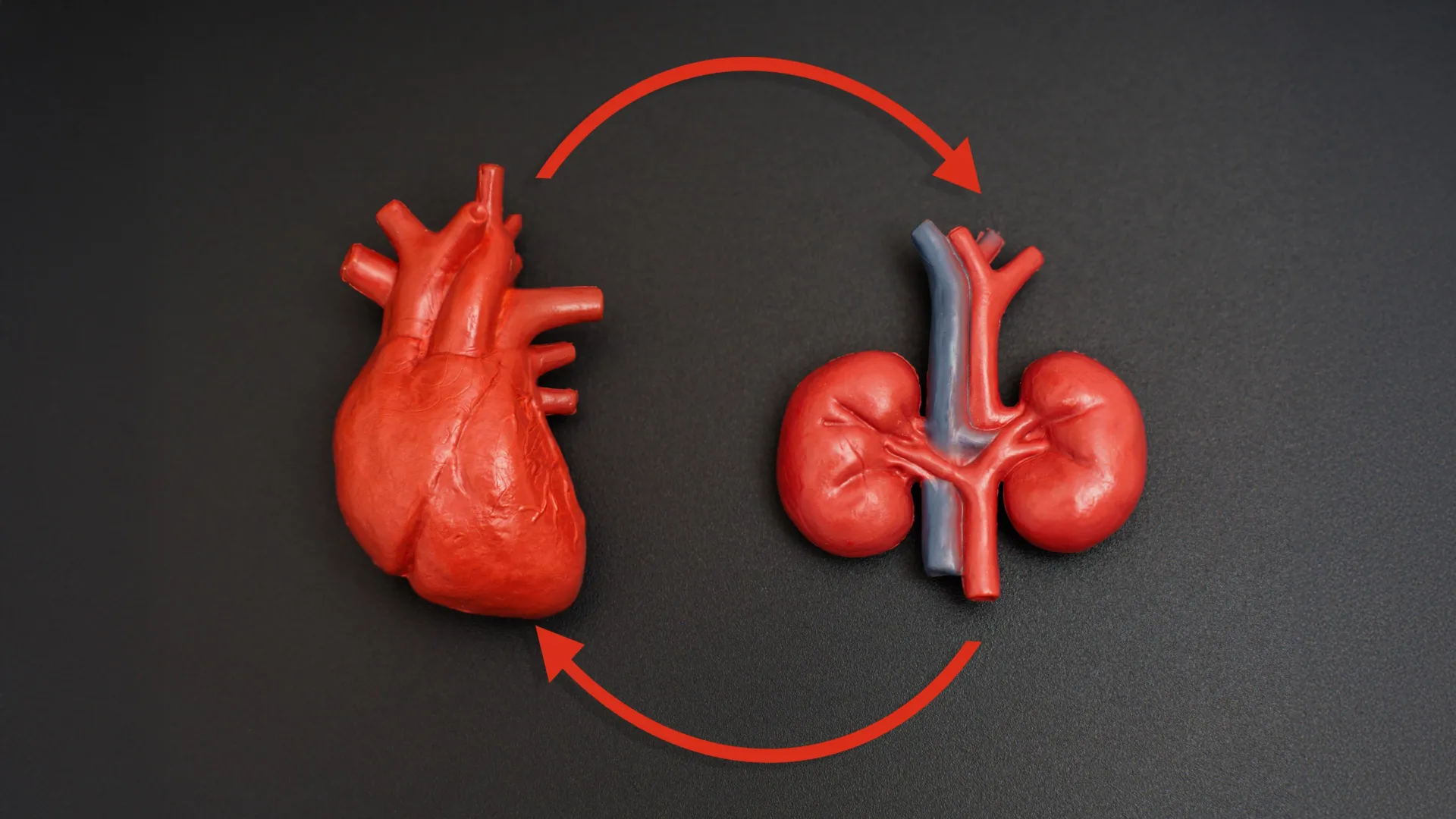
At its core, CKM syndrome describes the clinical phenomenon where cardiovascular, renal (kidney), and metabolic systems function as a singular, unified entity. The human body does not operate in independent compartments; rather, it functions as an integrated network. When metabolic health—the process of converting food into energy—is compromised by obesity or high blood sugar, it places an immediate, unsustainable burden on the kidneys and the heart.
The Risk Factor Cascade
CKM syndrome is not necessarily a single disease, but a constellation of risk factors that interact to create a dangerous "feedback loop." These factors include:
- Elevated Blood Pressure: Strains the cardiovascular system and damages the delicate filters within the kidneys.
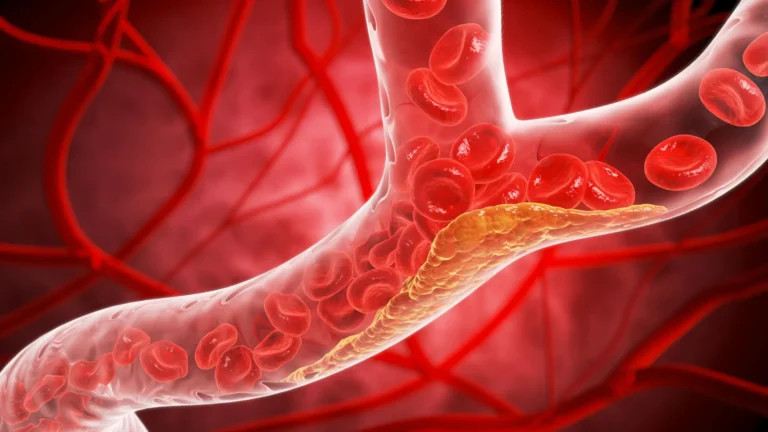
- Abnormal Cholesterol Levels: Leads to arterial plaque, increasing the risk of blockages.
- Hyperglycemia: High blood sugar, which acts as a systemic toxin, damaging nerves, blood vessels, and kidney function.
- Excess Weight: Often the catalyst for metabolic dysfunction, which triggers inflammation across the entire cardiovascular system.
When these factors occur in tandem, the cumulative risk of heart attack, stroke, and heart failure is significantly higher than the sum of its parts. The "syndrome" aspect of CKM refers to the synergistic damage caused by these systems failing in concert.
Chronology: The Emergence of a New Clinical Paradigm
The formalization of CKM syndrome is a relatively recent development in clinical science, representing a move toward holistic, preventative medicine.
- Pre-2024: Medical practitioners often treated heart, kidney, and metabolic issues as distinct specialties. While physicians understood that diabetes could lead to kidney disease, the systemic "CKM" framework was not yet a unified diagnostic approach.
- August 2025: The American Heart Association, in partnership with The Harris Poll, conducted a comprehensive survey of 4,007 U.S. adults to gauge public awareness. The findings were stark: while nearly everyone has a risk factor, almost no one identified the term "CKM syndrome."
- Early 2026 (Forthcoming): The AHA is slated to release its first-ever set of clinical guidelines dedicated specifically to the management and treatment of CKM syndrome. This will provide healthcare providers with a roadmap for integrated, interdisciplinary care.
Supporting Data: What the Harris Poll Revealed
The August 2025 study provides a vital snapshot of the gap between clinical risk and public consciousness. With a sample size of over 4,000 adults and a margin of error of ± 2.0 percentage points, the data is statistically robust.
The Awareness Gap
The survey found that while 90% of the population carries at least one CKM-related risk factor, awareness of the syndrome remains low. However, the survey also unearthed a positive trend: when the definition of CKM syndrome was explained to participants, nearly 75% expressed a strong desire to learn more. This suggests that the issue is not a lack of concern for health, but a lack of accessible information.
The Mechanics of the "Cycle"
The health of the heart, kidneys, and metabolic system is circular. When the metabolic system struggles (often due to insulin resistance or weight gain), the kidneys work harder to filter excess glucose and manage fluid balance. This stress on the kidneys leads to increased pressure in the cardiovascular system. Over time, the heart must work harder to pump against higher resistance, which in turn can lead to heart failure, further damaging kidney perfusion. This "vicious cycle" is the primary target of the upcoming 2026 clinical guidelines.
Official Responses: The Call for Coordinated Care
Eduardo Sanchez, M.D., FAHA, the American Heart Association’s chief medical officer for prevention, has been a leading voice in demystifying this syndrome. "We want people to know that it’s really common to have heart, kidney, and metabolic risk factors at the same time," Dr. Sanchez noted during the release of the survey findings.
Dr. Sanchez emphasizes that the goal of defining CKM syndrome is not to induce panic, but to foster empowerment. "It is reassuring that once the CKM connection was defined, nearly three-quarters of those responding understood that it was important and wanted to learn more."
For the medical establishment, this represents a structural change. Currently, a patient might see a cardiologist for blood pressure, an endocrinologist for blood sugar, and a primary care doctor for weight management. Dr. Sanchez argues that these professionals must begin to act as a coordinated team. "The heart, kidney, and metabolic systems are connected and, as such, should be treated in a coordinated way," he states. "These results reveal the need to emphasize those connections and help patients understand the importance of collaborative care."
Implications: The Path Toward Reversibility
Perhaps the most significant takeaway from the recent research is that CKM syndrome is often reversible. Because it is rooted in metabolic and lifestyle factors, patients have a high degree of agency in changing their trajectory.
Taking Early Action
The American Heart Association’s "CKM Health Initiative" is designed to translate complex medical data into actionable lifestyle changes. By focusing on the "full circle" of health—regular blood pressure checks, cholesterol monitoring, weight management, and kidney function tests—individuals can break the cycle before it progresses to irreversible organ damage.
The Role of Technology and Education
To aid this transition, the AHA has launched an online resource hub at heart.org/CKMtools. These resources include:
- Educational Video Content: Utilizing plain language to explain how the three systems interact.
- Clinical Guidance: Providing physicians with interdisciplinary frameworks to ensure that a patient’s weight-loss plan is aligned with their kidney health and cardiovascular capacity.
- Public Awareness Campaigns: Encouraging patients to ask their doctors about their "CKM health score" rather than just focusing on individual vitals.
The Future of Preventive Medicine
The implications for the healthcare system are massive. If the medical community can successfully shift the focus toward the "syndrome" rather than the individual symptoms, the potential for reducing hospitalizations due to heart failure and kidney disease is immense. The 2026 guidelines are expected to change the standard of care for millions, moving away from reactive treatment of organ failure and toward proactive management of metabolic health.
Conclusion: A New Way to View Your Health
The discovery of CKM syndrome is not just a scientific update; it is a fundamental shift in how we perceive the human body. By acknowledging that our organs are locked in a constant, complex dialogue, we can better appreciate the importance of maintaining metabolic health as the foundation for long-term cardiovascular and renal wellness.
For the 90% of Americans currently living with at least one risk factor, the message is clear: you are not dealing with isolated issues. You are managing an interconnected system. With the right tools, regular monitoring, and a coordinated medical team, the cycle can be interrupted, and the risks can be managed. As we look toward 2026 and the release of the official guidelines, the focus remains on education—because in the realm of CKM health, knowing the connections is the first step toward saving your life.
Research Methodology Note: The data cited in this report was gathered by The Harris Poll on behalf of the American Heart Association between August 6 and August 22, 2025. The study reached 4,007 U.S. adults aged 18 and older, with weighting applied to ensure demographic representation across age, race, gender, and socioeconomic status. Results are accurate within ± 2.0 percentage points at a 95% confidence level.