









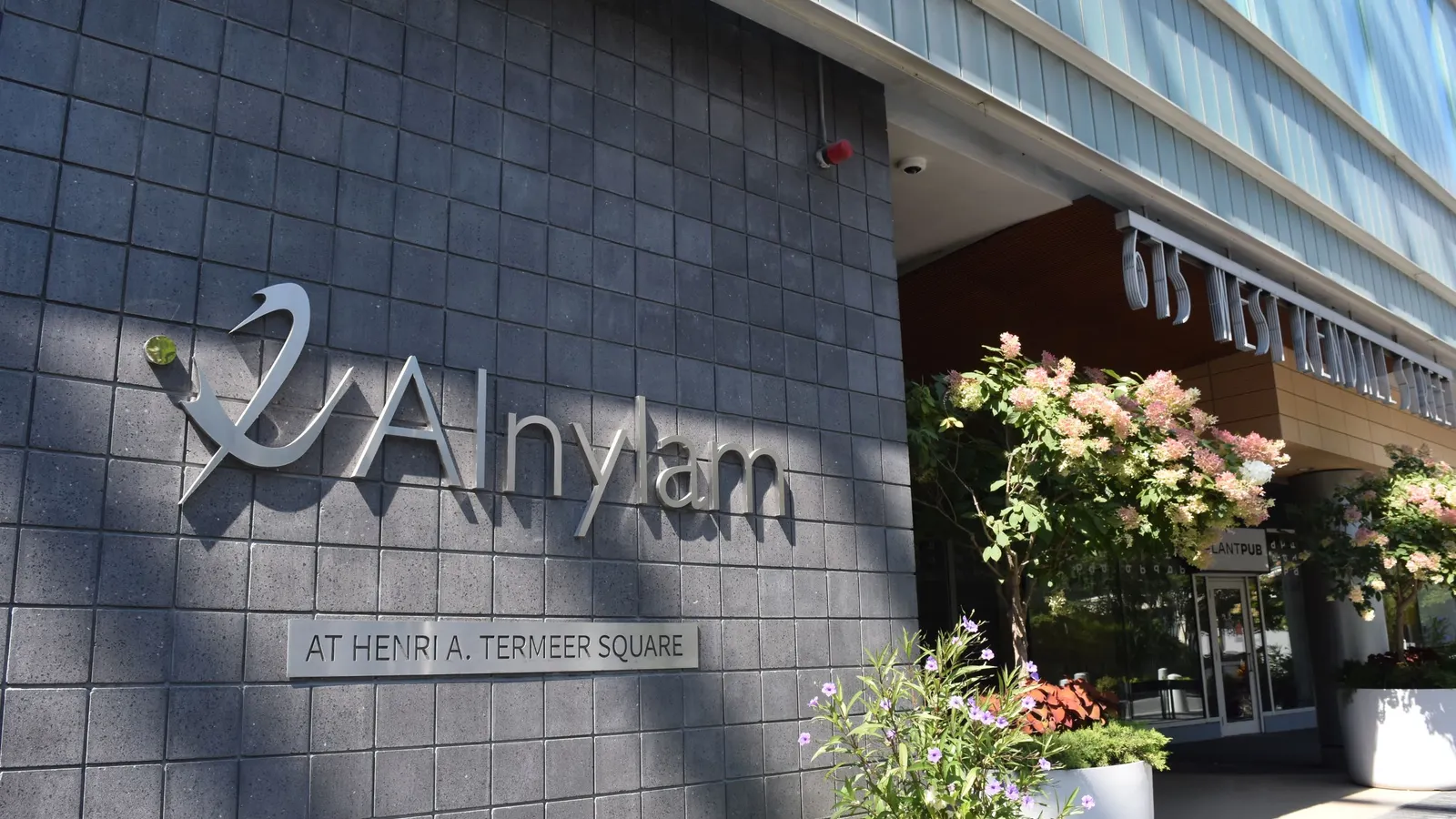
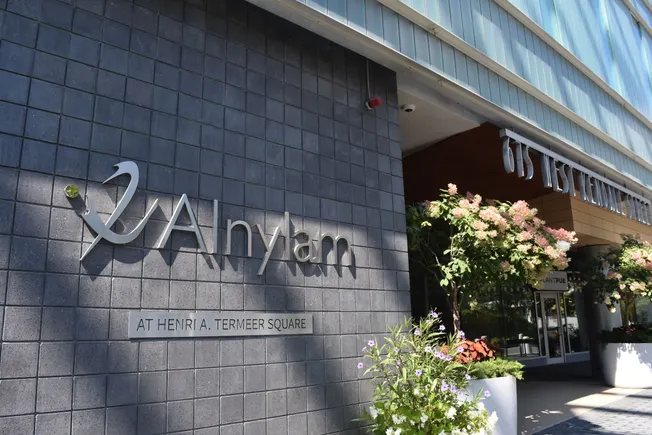
The pharmaceutical industry is currently undergoing a tectonic shift. For decades, the discovery of life-saving medicines has been a process defined by high-throughput screening—a labor-intensive, often serendipitous journey of trial and error. Today, that paradigm is being rewritten by the integration of artificial intelligence, a movement highlighted by the recent strategic collaboration between RNA-focused powerhouse Alnylam Pharmaceuticals and the AI-driven research firm Inceptive.
This partnership marks a significant milestone in the evolution of drug discovery. By combining Alnylam’s mastery of RNA interference (RNAi) with Inceptive’s advanced AI models, the two companies aim to solve one of the most complex puzzles in medicine: how to design molecules that interact with the fundamental machinery of human cells with unprecedented precision and speed.
Main Facts: A Synergistic Alliance
At its core, the collaboration is designed to leverage Inceptive’s proprietary AI technology to streamline Alnylam’s research pipeline. Alnylam, a pioneer in the development of RNAi therapeutics, targets disease-causing proteins by "silencing" the genes responsible for their production.
The partnership is focused on three primary objectives:
- Prioritization: Using AI to identify the most promising therapeutic candidates early in the research phase, thereby reducing the risk of failure in later stages.
- Acceleration: Drastically shortening the timeline from target identification to lead optimization.
- Characterization: Enhancing the ability to understand and predict the behavior of small interfering RNA (siRNA) molecules, which are the building blocks of Alnylam’s drug platform.
Initial exploratory efforts have already yielded promising results, with the companies reporting "exceptional performance" in characterizing siRNA molecules in a matter of weeks—a process that might have previously taken months of laboratory work.
Chronology: The Evolution of AI in Big Pharma
The Alnylam-Inceptive deal is not an isolated event; it is the latest chapter in a rapidly accelerating timeline of AI integration within the life sciences sector.
- Pre-2020: AI in drug discovery was largely confined to niche startups and academic research, with major pharmaceutical companies maintaining a cautious, experimental approach.
- 2023–2024: The "Generative AI Boom" forced a strategic pivot. Big Pharma realized that large language models and predictive biology could be applied not just to data management, but to molecular design.
- April 2025: Merck & Co. made headlines with a massive, potentially billion-dollar alliance with Google Cloud, signaling that the industry’s heavyweights were ready to bet big on cloud-based AI infrastructure.
- May 2025: Novo Nordisk announced a high-profile collaboration with OpenAI, aiming to leverage generative AI to decode the complexities of metabolic disease.
- Mid-2025 to Present: A wave of secondary partnerships—including Takeda’s deal with Iambic and Eli Lilly’s work with Insilico Medicine—cemented the trend. The Alnylam-Inceptive announcement arrives as the latest proof that the industry has moved past the "hype" stage and into the era of operational implementation.
Supporting Data: Beyond the Hype
The industry’s urgency is driven by a stark reality: traditional drug development is failing to keep pace with the complexity of modern disease. According to industry analysts, the cost of bringing a single new drug to market now exceeds $2 billion, with attrition rates remaining staggeringly high.
Inceptive’s platform relies on a "biological rules" framework. Unlike traditional models that rely solely on historical clinical data, Inceptive’s AI is designed to learn the underlying grammar of biology. As CEO Jakob Uszkoreit noted, "Life follows rules of such complexity that only AI can learn them."
The "exceptional performance" reported by Alnylam suggests that these models are effectively predicting the stability, delivery, and potency of siRNA molecules. In the world of RNAi, the challenge is not just identifying the target, but ensuring the molecule reaches the correct cell and remains stable enough to perform its function. If AI can predict these variables with 80% to 90% accuracy, the "trial and error" phase of drug discovery could be reduced by years, potentially saving millions in R&D overhead.
Official Responses: A Vision for the Future
The leadership of both organizations has been vocal about the transformative potential of this alliance.
Jakob Uszkoreit, CEO of Inceptive, framed the partnership as a philosophical shift in scientific inquiry: "Most drug design still works through a process of trial and error, testing thousands of molecules and hoping something sticks. Inceptive was built on a different premise. We are not just accelerating the old way of doing things; we are changing the way we understand and improve life."
Alnylam’s executive team has emphasized that the integration of Inceptive’s tools is not intended to replace human scientists but to empower them. By offloading the "grunt work" of screening and characterization to AI, Alnylam’s researchers can focus on higher-level strategy, clinical trial design, and addressing diseases that were previously considered "undruggable."
Implications: Navigating the "Hype vs. Hope" Divide
While the enthusiasm is palpable, the scientific community remains rightfully cautious. The integration of AI into pharmaceutical R&D is not without significant hurdles.
The Problem of Data Quality
A primary concern among skeptics—including prominent industry observers like Derek Lowe—is the "garbage in, garbage out" phenomenon. AI models are trained on existing scientific literature and databases, much of which is inconsistent, proprietary, or riddled with irreproducible findings. If an AI model learns from flawed data, it may propagate those errors at a massive scale, leading to "hallucinated" drug targets that fail immediately upon reaching the lab.

Long-term Reliability
There is also the question of whether AI can truly grasp the "non-linear" nature of biological systems. Biology is not a static language; it is a chaotic, feedback-driven environment. Critics argue that current models may work well in silico (in a computer) but falter when exposed to the unpredictable environment of a living human patient.
The Competitive Landscape
For Alnylam, this partnership is a defensive and offensive necessity. As companies like Bristol Myers Squibb deepen their AI investments—exemplified by their recent deal with Anthropic—the competitive gap between "AI-enabled" pharma companies and those clinging to traditional methods is widening.
The industry is currently in a "gold rush" phase. Companies are desperate to secure access to the best AI talent and the most advanced compute power. However, the true winners will not necessarily be the ones with the most AI, but those who can most effectively bridge the gap between digital predictions and physical clinical outcomes.
Future Outlook: A New Standard?
The partnership between Alnylam and Inceptive represents a pivotal moment for RNA medicine. RNAi therapeutics have already proven to be a game-changer for rare genetic disorders, but their potential is far broader. If AI can help map the "rules" of the human transcriptome, we could soon see a new generation of RNAi drugs capable of treating common conditions like hypertension, neurodegenerative diseases, or complex metabolic syndromes.
Ultimately, the success of this deal will be measured in the clinic. If the "exceptional performance" seen in the lab translates into accelerated clinical trials and higher success rates for drug candidates, the Alnylam-Inceptive model will likely become the gold standard for the industry.
As we look toward the remainder of the decade, the focus will shift from "AI adoption" to "AI integration." The era of simply adding a software layer to drug development is ending; the era of building drug development around the logic of AI has begun. For patients waiting for the next breakthrough, this shift cannot come a moment too soon. The complexity of human biology is vast, but for the first time in history, we possess the tools to read its language with the speed and sophistication that the challenge demands.