











Aging gracefully is not a passive process; it is a deliberate, daily investment in one’s physical infrastructure. As we cross the threshold into our 60s and beyond, the narrative surrounding "getting older" often shifts toward decline. However, modern kinesiology and geriatric health research suggest that functional decline is not an inevitability, but rather a variable that can be managed through consistent, targeted movement.
For many adults, the barrier to exercise is not a lack of desire, but the perceived requirement for hours in the gym. The reality is that the body does not require a marathon session to receive a potent stimulus for growth and maintenance. A highly focused, 12-minute routine, performed with precision, can effectively target the critical domains of healthy aging: strength, balance, coordination, and core stability.
The Science of Functional Longevity
The biological imperative after 60 is to preserve muscle mass—a process known as staving off sarcopenia—and to maintain neuromuscular control. Strength is the foundation of independence; it is the difference between navigating a staircase with ease and needing assistance to leave the house.
Clinical studies consistently highlight that high-intensity, short-duration training sessions—often referred to as "exercise snacking"—can be just as effective as longer, traditional gym sessions for improving metabolic health and physical capability. By focusing on multi-joint movements that mirror real-world activities, seniors can build a body that feels younger, more resilient, and inherently more confident during the rigors of everyday life.
A Chronological Approach to Training
Consistency is the ultimate performance enhancer. Rather than attempting to "catch up" with a massive workout once a week, the philosophy of the 12-minute reset focuses on frequency. By integrating these short, repeatable sessions into a weekly schedule, individuals can build momentum.
The 12-Minute Protocol
To perform this routine, you require nothing more than a sturdy chair and a small patch of floor space.
Directions: Perform each of the following four exercises in order. Complete two rounds total. Emphasize controlled movement over speed; the goal is to create a "training signal" for your muscles, not to exhaust yourself. Rest for 30 seconds between sets to allow for optimal recovery.
1. Chair Squats: The Foundation of Independence
The squat is the "king" of functional movements. It mimics the act of sitting and standing, which is essential for preserving the ability to rise from chairs, toilets, and car seats independently.
- Muscles Trained: Quads, glutes, hamstrings, and core.
- The Technique: Stand in front of a chair with feet shoulder-width apart. Hinge at your hips and lower your torso until your glutes gently touch the seat. Keep your chest up and your weight balanced across your entire foot. Drive through your heels to return to a standing position.
- Why it Matters: This movement pattern prevents the loss of lower-body power, which is the primary predictor of mobility loss in later life.
2. Incline Push-Ups: Upper Body Integrity
Upper-body strength is frequently overlooked in senior fitness, yet it is vital for posture, lifting groceries, and general shoulder health. The incline push-up—using a sturdy chair or a wall—allows for a full range of motion while minimizing stress on the wrists and shoulders.
- Muscles Trained: Chest, shoulders, triceps, and core.
- The Technique: Place your hands firmly on the seat of a sturdy chair. Extend your legs back until your body forms a straight line from your head to your heels. Lower your chest toward the chair, keeping your elbows tucked at a 45-degree angle, then push back to the start.
- Why it Matters: This builds the "pushing" strength required to safely navigate obstacles or lift objects overhead, while reinforcing a stable, upright posture.
3. Standing March Holds: Mastering Balance
Falls are a primary health risk for older adults. Standing March Holds train the brain and muscles to manage the body’s center of gravity while on one leg—a critical skill for walking on uneven surfaces.
- Muscles Trained: Hip flexors, glutes, calves, and core.
- The Technique: Stand tall, holding onto the chair for stability if necessary. Lift one knee toward your chest until your thigh is parallel to the floor. Hold the position for 3-5 seconds, focusing on staying tall through your spine. Switch legs.
- Why it Matters: This exercise demands core engagement and single-leg stability, directly translating to a more confident and steady gait.
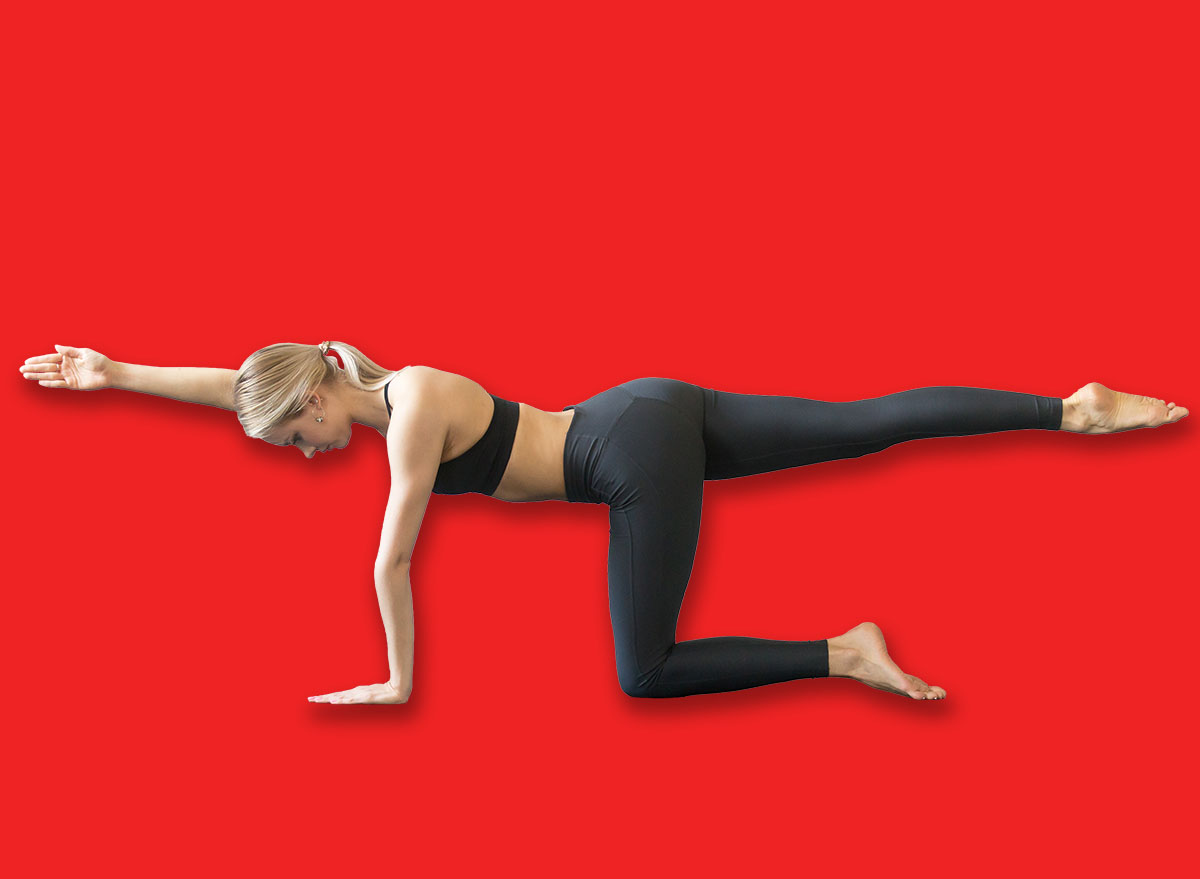
4. Bird Dogs: Core and Coordination
The Bird Dog is a staple of physical therapy because it teaches the body to stabilize the spine while the limbs are in motion. This cross-body coordination is essential for preventing back pain and improving athletic efficiency.
- Muscles Trained: Core, glutes, shoulders, and lower back stabilizers.
- The Technique: Start on all fours. Simultaneously extend your right arm forward and your left leg backward. Keep your hips level—imagine a glass of water sitting on your lower back. Hold for a moment, then return to center and switch to the left arm and right leg.
- Why it Matters: It strengthens the "posterior chain," which is often weakened by prolonged sitting, and improves the neural connection between the brain and the extremities.
Supporting Data and Evidence
Research published in journals such as the Journal of Gerontology indicates that short, intermittent bursts of resistance training can significantly improve markers of physical function in adults over 60. Data suggests that even 12 minutes of dedicated effort can lead to measurable increases in grip strength and chair-rise speed within six weeks.
Furthermore, medical experts emphasize that the "training signal" sent to the brain during these movements is as important as the physical exertion. By challenging balance and coordination, seniors are effectively "sharpening" their neuromuscular pathways, which reduces the reaction time required to prevent a fall in real-world scenarios.
Implications for Daily Life
The true benefit of this 12-minute routine is not found in the gym, but in the hours following the workout. When you improve your hip strength through squats and your balance through marches, you are essentially "future-proofing" your body against the most common causes of dependency.
Professional trainers note that the psychological impact of this routine is equally profound. When an individual realizes they can perform these movements with control, their self-efficacy—the belief in their own ability to succeed—skyrockets. This newfound confidence often leads to more active social lives, better engagement in hobbies, and a reduced fear of physical activity.
Lifestyle Synergies
To maximize the efficacy of this 12-minute routine, it should be viewed as one pillar of a holistic approach to aging. Consider these additional habits to accelerate your results:
- Prioritize Protein: Muscle repair requires amino acids. Ensure that every meal contains a high-quality protein source to support the structural changes triggered by your workouts.
- Hydration Awareness: As we age, our thirst sensation diminishes. Consistent water intake is essential for joint lubrication and muscle function.
- Active Recovery: On days you aren’t doing the 12-minute routine, aim for 20 minutes of light walking. Movement is the best lubricant for the joints.
- Sleep Hygiene: The body repairs itself during deep sleep. Establish a routine that allows for 7–8 hours of restorative rest to ensure your nervous system can handle the training load.
- Social Movement: Join a walking group or a local fitness class. The combination of social interaction and physical movement is one of the strongest predictors of longevity.
Conclusion
You are not defined by your chronological age, but by the physical capacity you choose to maintain. By dedicating just 12 minutes to these fundamental movement patterns, you are making a profound statement about how you intend to spend your later years: with strength, independence, and vitality. Start slow, maintain consistency, and remember that every rep is a building block for a stronger, more capable future.