For millions of people worldwide, the day does not truly begin until the first cup of coffee is poured. It is a global ritual that transcends borders, with the average person consuming nearly two kilograms of coffee beans annually. Whether you prefer a robust dark roast, a delicate pour-over, or a milky latte, your specific preference is more than just a matter of taste; it is a complex intersection of genetics, neurobiology, and metabolic efficiency.
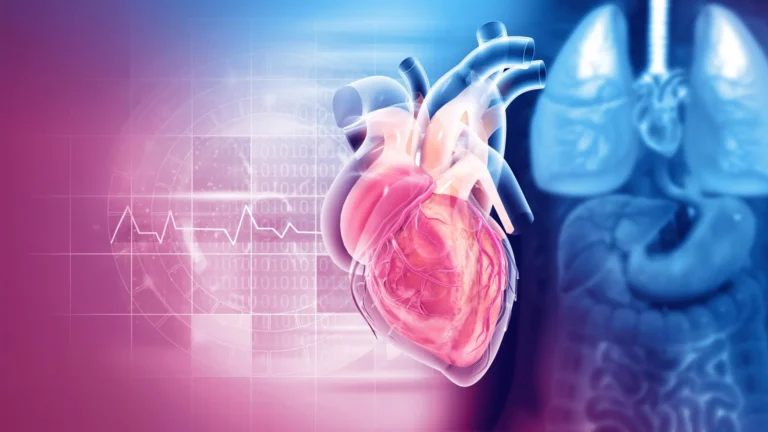
However, as our reliance on caffeine grows, so does the scrutiny surrounding its impact on our physiology—specifically our cardiovascular health. With nearly one-third of the global adult population suffering from hypertension, the question arises: Is your daily caffeine habit sabotaging your heart, or is it merely an innocent pleasure?
Main Facts: The Physiological Impact of Caffeine
Coffee is not just a stimulant; it is a complex chemical concoction containing hundreds of bioactive compounds known as phytochemicals. When you consume a cup of coffee, the primary active ingredient, caffeine, acts as a potent central nervous system stimulant.
The Mechanism of Action
Upon ingestion, caffeine travels through the bloodstream, reaching peak concentration levels within 30 minutes to two hours. During this time, it functions as a muscle stimulant, increasing the heart rate and occasionally contributing to arrhythmias—irregular heartbeats—in sensitive individuals.
Furthermore, caffeine triggers the adrenal glands to release adrenaline (epinephrine). This surge of "fight-or-flight" hormone causes your heart to beat faster and your blood vessels to constrict. The physical result is a temporary spike in blood pressure. Research consistently shows that for those who do not regularly consume caffeine, or for those who already suffer from hypertension, this spike can be significant, typically resulting in an increase of 3 to 15 mm Hg in systolic pressure and 4 to 13 mm Hg in diastolic pressure.
The "Half-Life" Variable
The duration of these effects depends heavily on your metabolism. The "half-life" of caffeine—the time it takes for your body to eliminate half of the consumed dose—typically ranges from three to six hours. This variability is governed by:
- Genetics: Some individuals are "fast metabolizers" who clear caffeine rapidly, while "slow metabolizers" experience its effects for much longer.
- Habitual Consumption: Regular coffee drinkers develop a tolerance, allowing their bodies to clear caffeine more efficiently than occasional drinkers.
- Age: Younger individuals and children possess less mature liver enzymes, making them significantly more sensitive to the stimulant effects.
Chronology of Coffee Research: From Concern to Nuance
For decades, the medical community viewed coffee with suspicion, fearing that its stimulant properties contributed to the development of chronic hypertension. However, longitudinal studies over the last twenty years have shifted the narrative from "coffee causes high blood pressure" to a more nuanced understanding of "coffee affects blood pressure regulation."
The 20th Century Consensus
Early research often failed to distinguish between temporary blood pressure spikes and the development of clinical hypertension. Because caffeine causes an acute rise in pressure, it was logically assumed that chronic consumption would lead to sustained high blood pressure.
The 21st Century Shift
Recent meta-analyses have largely debunked the idea that coffee intake is a primary driver of hypertension. A landmark review of 13 studies involving 315,000 participants found no evidence that coffee consumption increases the long-term risk of developing high blood pressure. Even when researchers segmented data by gender, caffeine content, and smoking status, the association remained absent.
Supporting Data: Understanding Hypertension
To understand why coffee is often unfairly maligned, one must first define the condition of hypertension. Blood pressure is the force exerted by circulating blood against the walls of the arteries. It is recorded using two metrics:
- Systolic Pressure (the top number): The pressure when the heart beats.
- Diastolic Pressure (the bottom number): The pressure when the heart rests between beats.
Normal blood pressure is generally defined as below 120/80 mm Hg. Hypertension—or high blood pressure—is diagnosed when readings consistently reach 140/90 mm Hg or higher.
The Silent Killer
The danger of hypertension lies in its invisibility; it is frequently called the "silent killer" because it often presents no symptoms until significant damage has occurred. Untreated hypertension forces the heart to work harder, accelerating the progression of heart disease, kidney failure, and increasing the risk of strokes. Current data suggests that 31% of adults live with hypertension, yet nearly half are either unaware of their condition or are failing to manage it effectively with medication.
Official Responses and Scientific Paradoxes
While coffee does not appear to cause hypertension, it is not entirely neutral for those who already have severe cardiovascular issues.
The Japanese Study Insight
A critical, long-term study conducted in Japan followed 18,000 adults over nearly two decades. The findings presented a stark warning: for individuals with "Grade 2 or 3" hypertension (systolic pressure of 160+ or diastolic of 100+), drinking two or more cups of coffee a day doubled the risk of cardiovascular death. Conversely, this risk was not observed in individuals with normal blood pressure or mild (Grade 1) hypertension.
This indicates that while coffee is safe for the general population, the severity of pre-existing conditions changes the risk profile.
The Protective Power of Phytochemicals
Interestingly, coffee contains compounds that may actively protect the cardiovascular system. Beyond caffeine, coffee is rich in:
- Melanoidins: These compounds help regulate fluid volume and modulate enzymes that control blood pressure.
- Quinic Acid: Studies suggest this compound improves the health of the lining of blood vessels, helping them remain flexible and better able to accommodate temporary fluctuations in blood pressure.
Implications: How to Enjoy Coffee Safely
The consensus among health professionals is clear: for most people, there is no need to abandon your morning cup. However, moderation and awareness are essential for long-term health.
1. Know Your Numbers
Because hypertension is asymptomatic, you cannot rely on how you "feel" to determine your heart health. Regular check-ups are non-negotiable. If you find your blood pressure consistently above 140/90, consult your doctor.
2. Monitor Your Reaction
Pay attention to how you feel after consuming caffeine. If you experience palpitations, jitteriness, or persistent headaches, your body may be struggling to metabolize the caffeine efficiently. This is a cue to reduce your intake or switch to decaffeinated options.
3. Consider Your Health Profile
If you have been diagnosed with severe hypertension or heart disease, do not assume your coffee habits are harmless. Discuss your caffeine intake with a cardiologist. They may suggest limiting intake to one cup, switching to decaf, or timing your consumption to avoid spikes during periods of high stress.
4. Practice Moderation
The "two-cup" threshold appears to be the point where the physiological impact on severe hypertensive patients becomes statistically significant. If you are a high-volume drinker (4+ cups per day), consider gradually tapering down to see if your resting blood pressure improves.
Final Conclusion
Coffee remains one of the world’s most studied beverages. While its acute effects on blood pressure are undeniable, it does not appear to be a causative agent for chronic hypertension. For the vast majority of the population, coffee is a safe, and perhaps even beneficial, component of a daily diet. However, like all things in life, the key to longevity lies in moderation and a keen understanding of your own unique physiological boundaries. Stay informed, listen to your heart, and enjoy your brew with the peace of mind that science—for the most part—is on your side.