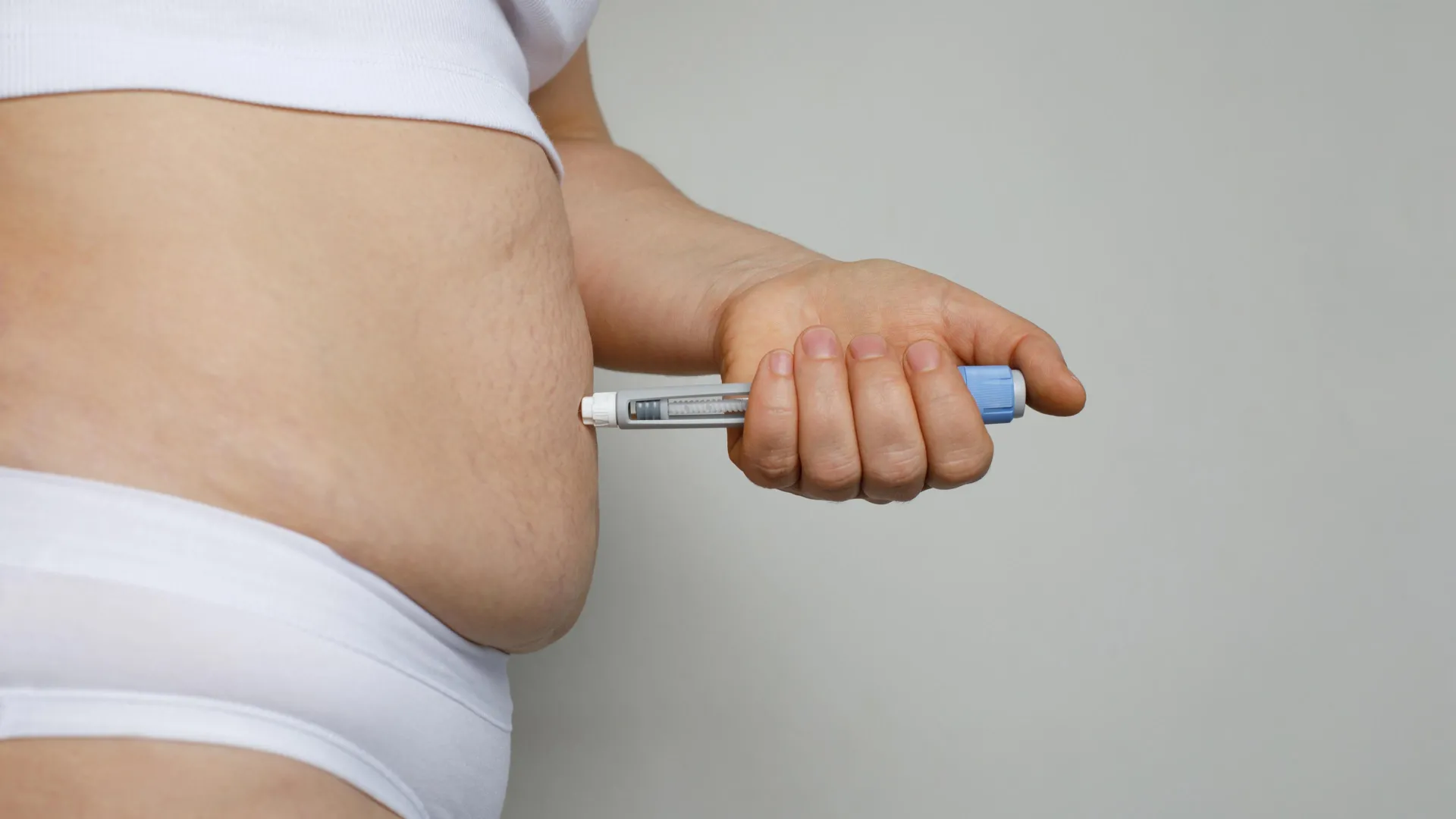
The landscape of obesity treatment has been fundamentally altered by the rise of glucagon-like peptide-1 (GLP-1) receptor agonists. Drugs such as semaglutide (marketed as Ozempic and Wegovy) and tirzepatide (marketed as Mounjaro and Zepbound) have become household names, offering unprecedented efficacy in helping patients shed significant body mass. However, a startling new study presented at ENDO 2026, the Endocrine Society’s annual meeting in Chicago, suggests that the physiological and behavioral consequences of these medications may be more complex than previously understood.
Contrary to the long-held assumption that losing excess weight naturally encourages individuals to become more active, new research indicates that patients on GLP-1 medications are, on average, becoming significantly less physically active. This finding raises urgent questions about the long-term metabolic health of patients and the necessity of integrating structured exercise regimens into weight-management protocols.
The Core Findings: A Surprising Decline in Movement
The research, led by Dr. Sajana Maharjan of HSHS St. John’s Hospital in Springfield, Illinois, utilized objective data to track the habits of nearly 800 patients. The study revealed that rather than experiencing a "spring in their step" due to a lighter frame, participants demonstrated a measurable reduction in both daily movement and high-intensity exercise.
Quantitative Analysis
The data paints a clear picture of declining activity levels:
- Daily Step Counts: Before starting GLP-1 therapy, participants averaged 5,047 steps per day. Following the initiation of treatment, this number plummeted to an average of 4,487 steps per day.
- Moderate-to-Vigorous Physical Activity (MVPA): The time spent engaged in more intense exercise dropped from an average of 28 minutes per day to just 22 minutes.
These metrics, derived from wearable fitness trackers, provide a level of objective accuracy that traditional self-reporting surveys often lack. When the data was analyzed by demographic and health factors, the researchers found that the most significant declines occurred in men and those who reported pre-existing joint or muscle pain. Notably, factors such as age, history of heart failure, or previous stroke did not significantly alter the downward trend in activity.
Chronology: Understanding the Study’s Methodology
To arrive at these findings, the research team leveraged the National Institutes of Health’s (NIH) "All of Us" Research Program. This expansive database allows for the integration of electronic health records with real-time biometric data from wearable devices like Fitbits, providing a unique look into the lives of patients outside of a clinical setting.
The Research Timeline
- Cohort Selection: The study initially identified 1,950 adults with obesity who were prescribed GLP-1 medications.
- Filtering for Data Integrity: To ensure high-quality, continuous data, the researchers narrowed the group to 753 participants who had sufficient wearable-device history.
- Demographic Baseline: The cohort was predominantly female (78.6%), with an average age of 52.7 years.
- Longitudinal Comparison: The researchers established a baseline for each participant—measuring activity levels immediately prior to the start of their medication—and tracked them through their treatment period to measure the delta in their physical output.
This longitudinal approach allowed Dr. Maharjan and her team to isolate the impact of the medication on daily behavior, effectively debunking the narrative that weight loss would inherently lead to a more active lifestyle.
The Biology of the Issue: Muscle Health and GLP-1s
While GLP-1 receptor agonists are medical marvels for weight reduction, they are not without metabolic trade-offs. These medications work by mimicking hormones that regulate appetite and blood sugar, leading to reduced caloric intake. However, this rapid weight loss often comes at a cost that is frequently overlooked: the loss of lean muscle mass.
Why Muscle Preservation Matters
When a patient loses weight rapidly, the body often burns both fat stores and muscle tissue for fuel. In the context of GLP-1 therapy, this reduction in muscle mass can create a vicious cycle. Muscle tissue is metabolically expensive, meaning it requires energy to maintain. As muscle mass decreases, the body’s resting metabolic rate may drop, potentially making future weight maintenance more difficult.
Furthermore, muscle mass is the primary driver of physical strength and functional mobility. When patients lose lean muscle, simple tasks—such as walking, climbing stairs, or performing household chores—can become more strenuous or less rewarding, which may partially explain the decline in activity observed in the study.
Official Responses and Clinical Implications
The medical community has received these findings with a mix of concern and a call to action. The study presented at ENDO 2026 serves as a significant wake-up call for clinicians prescribing these potent drugs.
Dr. Sajana Maharjan’s Stance
"While many assume that weight loss leads naturally to increased physical activity, our study suggests otherwise," Dr. Maharjan stated during her presentation. She emphasized that the medical community must pivot its approach to obesity care. "The findings in our study reinforce that exercise cannot be optional for people taking these medications. People need targeted interventions that encourage physical activity alongside medication for obesity."
Shifting the Paradigm
The implications of this study are profound for the future of obesity management:
- Prescription of Exercise: Just as doctors prescribe the dosage of Ozempic or Wegovy, they may soon need to prescribe specific physical activity targets.
- Multidisciplinary Care: Obesity treatment cannot be purely pharmacological. Integrated care models—involving dietitians, physical therapists, and personal trainers—are likely essential to ensure that weight loss is primarily fat-based rather than muscle-based.
- Patient Education: Patients must be counseled on the importance of resistance training. Building or maintaining muscle mass is vital for metabolic health, and it may provide the physical foundation needed to remain active as the weight comes off.
The Road Ahead: Why Activity Cannot Be an Afterthought
The decline in movement seen in this study is not merely a behavioral quirk; it is a clinical concern. Physical activity is not just about calorie burning; it is crucial for cardiovascular health, bone density, mental well-being, and insulin sensitivity.
As we look toward the future of metabolic medicine, the reliance on GLP-1 receptor agonists will likely continue to grow. However, if these drugs lead to a more sedentary lifestyle, the overall health benefits—particularly in terms of cardiovascular outcomes—could be partially mitigated.
Bridging the Gap
Future research will need to address the "why" behind the inactivity. Is it a physiological side effect, such as fatigue or nausea, that makes movement difficult? Is it a psychological shift where patients feel their weight is managed, thus reducing their perceived need to exercise? Or is it a loss of physical strength due to muscle wasting?
Regardless of the root cause, the solution is clear: clinicians must move away from the "magic bullet" mentality. Obesity is a chronic, multifaceted condition. While medications provide a powerful tool to address the hormonal and metabolic drivers of weight gain, they do not replace the necessity of human movement.
Conclusion: A New Standard of Care
The study presented at ENDO 2026 is a milestone in obesity research. It utilizes the power of modern wearable technology to reveal that the journey to a healthier weight is not as straightforward as once thought. By highlighting the paradoxical decline in activity among those on GLP-1 medications, Dr. Maharjan and her colleagues have provided the medical community with a necessary roadmap for improvement.
Moving forward, the successful treatment of obesity will require a symbiotic approach: utilizing the efficacy of GLP-1 medications to facilitate weight loss while simultaneously implementing aggressive, evidence-based strategies to protect muscle mass and promote consistent physical activity. Only through this dual-pronged approach can patients achieve not just a lower number on the scale, but a higher quality of life and improved long-term metabolic health. The era of seeing weight loss as an isolated event is over; the future of obesity medicine must be holistic, active, and rigorously supported by science.