In the landscape of modern medicine, sleep has long been treated as a luxury—a flexible commodity we sacrifice to satisfy the demands of our careers, social lives, and digital distractions. Yet, emerging research from the American Academy of Sleep Medicine (AASM) reveals that sleep is the foundational pillar of human physiology. It governs our emotional regulation, cognitive acuity, and metabolic health. Despite this, a pervasive culture of silence exists: nearly half of all American adults (45%) have never initiated a conversation about sleep quality with their healthcare providers.
This "sleep silence" represents a critical gap in preventative medicine. As we navigate an era of increasing chronic illness, the failure to address sleep architecture is proving to be a dangerous oversight.
The Main Facts: Defining Healthy Sleep
Healthy sleep is not merely the absence of wakefulness. According to clinical standards, optimal sleep is defined by four core components: duration, quality, consistency, and the absence of disorders. The AASM maintains a clear, evidence-based mandate: adults require seven or more hours of high-quality sleep per night to sustain optimal biological function.
Despite this, approximately one-third of the U.S. population consistently fails to meet these requirements. The consequences of this deficit are not merely "feeling tired"; they represent systemic physiological stress. When the body is denied the restorative phase of the sleep cycle, it enters a state of heightened inflammation, impaired glucose metabolism, and diminished immune response.
Chronology of the Crisis
The evolution of the current sleep deficit can be traced through the late 20th and early 21st centuries.
- The 1980s–1990s: The rise of the "always-on" corporate culture began to stigmatize rest. Sleep was increasingly viewed as a barrier to productivity rather than a prerequisite for it.
- The 2000s: The advent of the smartphone and the blue-light revolution fundamentally altered human circadian rhythms. Constant connectivity meant the brain was rarely allowed to fully "power down."
- 2020–2025: The global pandemic served as a major turning point. While some experienced shifts in their schedules, the collective anxiety and the blurred lines between work and home environments exacerbated insomnia rates.
- Present Day: A 2025 survey by the AASM highlights a troubling gender divide. While 40% of men have never discussed sleep with a doctor, that number rises to 49% among women. This trend suggests that societal pressures and gender-specific health reporting may be preventing millions from seeking life-saving interventions.
Supporting Data and the Cost of Silence
The correlation between sleep deprivation and chronic disease is no longer a matter of debate. Clinical studies have consistently linked insufficient sleep to a staggering array of health risks, including:
- Cardiovascular Disease: Chronic sleep deficiency is linked to hypertension, heart attack, and stroke.
- Metabolic Disorders: Lack of sleep disrupts hunger-regulating hormones (ghrelin and leptin), leading to obesity and increased risk of Type 2 diabetes.
- Cognitive Decline: Sleep is the time during which the brain clears out metabolic waste. Prolonged deprivation is increasingly being studied as a risk factor for neurodegenerative conditions.
- Mental Health: There is a bi-directional relationship between sleep and depression; poor sleep exacerbates mood disorders, which in turn makes falling asleep more difficult.
Beyond the internal bodily toll, there is a macro-level public safety cost. Daytime sleepiness is a leading contributor to preventable traffic accidents and workplace errors, resulting in billions of dollars in lost productivity and, more tragically, loss of life.
Official Responses and Medical Advocacy
The medical community is moving toward a more proactive stance. The consensus among sleep specialists is that a "wait and see" approach to sleep issues is no longer acceptable. The AASM has emphasized that sleep should be a routine part of every physical examination, on par with blood pressure or weight checks.
"We need to normalize the conversation," says the AASM in their recent guidance. "Sleep is not a trivial complaint; it is a vital sign."
Clinical organizations are now pushing for patients to become their own advocates. By providing resources like the Sleep Diary and structured Sleep Quizzes, organizations are empowering patients to arrive at their appointments with empirical data. These tools allow doctors to move beyond anecdotal reports of "feeling tired" to actionable insights regarding latency, wake-after-sleep-onset (WASO), and sleep efficiency.
Practical Implications: From Lifestyle to Clinical Intervention
One of the most common misconceptions preventing patients from speaking to their doctors is the fear of being prescribed heavy medication. While medication and therapies like CPAP (Continuous Positive Airway Pressure) are essential for those with diagnosed disorders like obstructive sleep apnea or chronic insomnia, they are not the only outcomes.
Lifestyle Modification
For many, the path to better health begins with "sleep hygiene"—a term that has become a buzzword but remains clinically effective. This includes:
- Regulating the Circadian Rhythm: Going to bed and waking up at the same time, even on weekends.
- Environmental Optimization: Keeping the bedroom cool, dark, and quiet.
- Strategic Consumption: Limiting caffeine intake to the morning hours and avoiding alcohol before bed, as it fragments the sleep cycle.
- Cognitive Wind-down: Eliminating screens at least one hour before sleep to allow melatonin production.
Clinical Evaluation
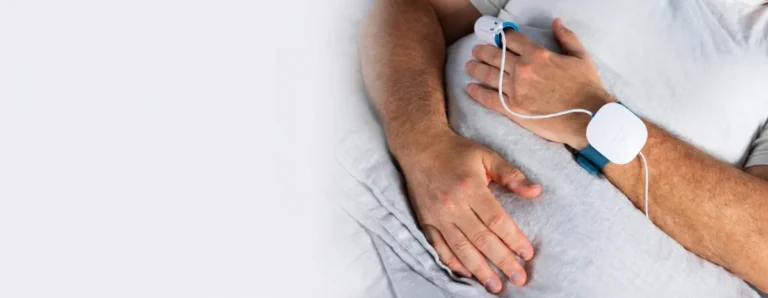
For those whose issues persist despite these changes, the medical system is well-equipped to assist. If a primary care physician cannot identify the root cause, a referral to an AASM-accredited sleep center is the gold standard. These centers conduct polysomnography—sleep studies—that monitor brain waves, oxygen levels, and heart rate to diagnose complex issues like sleep apnea, narcolepsy, or restless legs syndrome.
Breaking the Cycle: How to Start the Conversation
If you find yourself consistently feeling unrefreshed, the time to act is now. You do not need to be a medical expert to start the dialogue. During your next check-up, simple, direct statements are the most effective:
- "I feel like I’m not getting quality rest, even when I spend eight hours in bed."
- "I struggle with staying awake during the day; can we review my sleep habits?"
- "I’ve noticed I wake up gasping or feeling irritable—could this be related to my sleep?"
By initiating this conversation, you are not just asking for a remedy for fatigue; you are advocating for the long-term protection of your heart, your brain, and your overall quality of life.
Conclusion: The Path Forward
Sleep is the foundation upon which our waking lives are built. To treat it as an afterthought is to build our health on an unstable base. As we move into the future, the integration of sleep health into primary care will be essential for reducing the burden of chronic disease in America.
The tools are available. The research is clear. The only remaining barrier is the conversation itself. By breaking the silence today, we can unlock a more vibrant, productive, and healthier tomorrow. Remember, your sleep is a vital sign—start talking about it.
For more information on how to prepare for your next medical appointment, visit SleepIsGoodMedicine.com or consult the resources provided by the American Academy of Sleep Medicine.