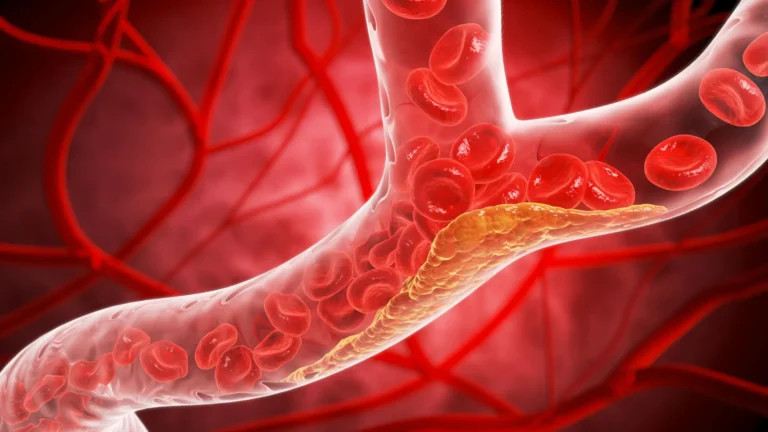



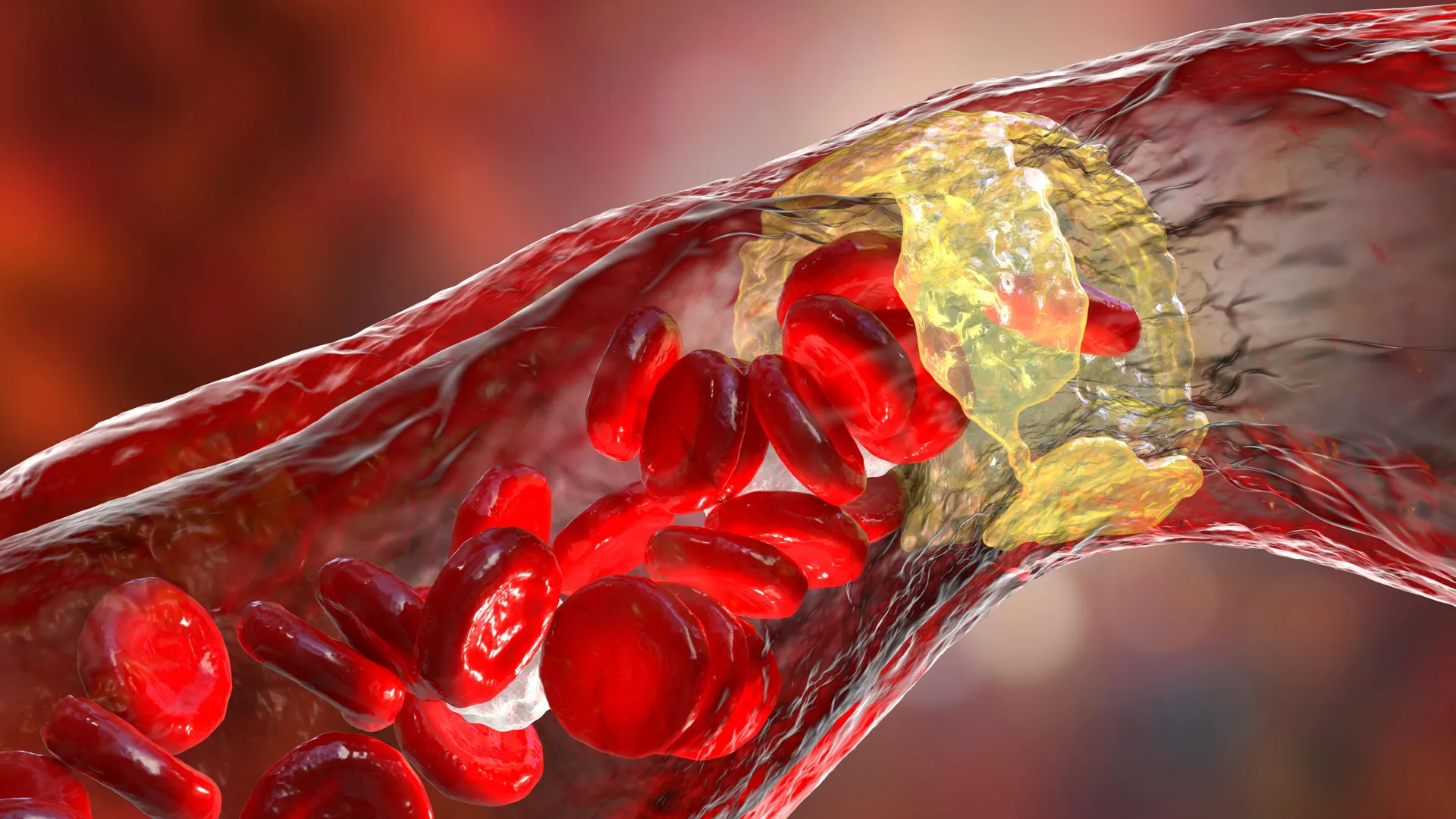
In an era defined by the ubiquity of synthetic materials, a startling new study from the University of California, Riverside (UCR) has shed light on an invisible danger lurking in our food, water, and air. Researchers have discovered that chronic exposure to microplastics—the microscopic fragments shed by everything from plastic water bottles to synthetic clothing—can significantly accelerate the development of atherosclerosis, the hardening and narrowing of arteries that serves as the primary precursor to heart attacks and strokes.
The findings, published in the journal Environment International, represent a critical pivot in cardiovascular research. While the link between microplastic pollution and environmental degradation is well-established, the direct impact of these particles on human physiology has remained a subject of intense scientific debate. This study provides some of the most compelling evidence to date that these particles are not merely passive contaminants, but active drivers of cardiovascular pathology. Perhaps most strikingly, the research uncovered a profound sex-specific disparity: the accelerated plaque formation was observed exclusively in male subjects, offering a new, if complex, window into how environmental toxins interact with human biology.
The Chronology of Discovery: From Environmental Pollutant to Biological Disruptor
The journey toward this discovery began with the growing global concern regarding the "plasticization" of the biosphere. Microplastics are now pervasive, having been detected in the most remote corners of the Earth, from the depths of the Mariana Trench to the pristine snows of the Antarctic. As these particles migrate through the food chain, they inevitably find their way into the human body.
Recent clinical observations had already noted the presence of microplastics within human atherosclerotic plaques—the fatty, inflammatory deposits that clog arteries. However, correlation is not causation; researchers could not definitively prove whether the plastics were a byproduct of existing arterial damage or a primary agent of it.
To bridge this knowledge gap, a team led by Professor Changcheng Zhou of the UCR School of Medicine designed a study to test the causal relationship. Using LDLR-deficient mice—a standard laboratory model for studying atherosclerosis—the researchers established a controlled environment. The mice were maintained on a lean, low-fat, and low-cholesterol diet to mimic a healthy human lifestyle. Beginning a rigorous nine-week regimen, the team administered daily doses of microplastics equivalent to 10 milligrams per kilogram of body weight—a dosage carefully calibrated to reflect realistic human exposure levels through contaminated water and food sources.
Supporting Data: A Dramatic Divergence in Vascular Health
The results of the study were nothing short of profound. Following the nine-week exposure period, the researchers performed a detailed examination of the mice’s arterial health.
The data revealed a stark, gender-based divide. Male mice exposed to microplastics showed a staggering 63% increase in plaque buildup in the aortic root, the critical junction where the aorta meets the heart. Even more alarming was the result in the brachiocephalic artery—a major vessel supplying blood to the upper body—where plaque accumulation soared by 624% compared to the control group.
In contrast, female mice exposed to the exact same dosage exhibited no significant increase in plaque progression. This discrepancy was not caused by traditional risk factors; lipid profiles remained healthy, and none of the mice experienced weight gain or elevated cholesterol. The absence of these standard metabolic markers suggests that the microplastics were bypassing traditional pathways of heart disease and attacking the vascular system through a more direct, localized mechanism.
The Mechanism: How Microplastics Sabotage the Arteries
To understand why the arteries were suffering such intense trauma, the UCR team utilized single-cell RNA sequencing to observe gene activity within individual cells. This high-resolution analysis revealed that microplastics act as direct irritants to the vascular system, specifically targeting the endothelial cells that line the interior of blood vessels.
Endothelial cells are the body’s "gatekeepers" of cardiovascular health; they regulate inflammation, blood pressure, and the prevention of clotting. The study confirmed that these cells were the first line of defense—and the first to fall—when exposed to circulating microplastics.
"We found endothelial cells were the most affected by microplastic exposure," explained Professor Zhou. "Since these cells are the first to encounter circulating microplastics, their dysfunction can initiate a cascade of inflammation and plaque formation."
Fluorescent microplastics used in the experiment were tracked directly into the arterial lesions, confirming that these particles integrate into the very tissue they damage. Furthermore, the researchers observed that these plastics triggered the activation of pro-atherogenic (plaque-promoting) gene pathways in both mouse and human cells, suggesting that the underlying biological vulnerability to plastic particles is shared across species.
Official Responses and Expert Perspectives
The research, which received partial support from the National Institutes of Health, has garnered significant attention from the medical community. The collaboration included experts from Boston Children’s Hospital, Harvard Medical School, and the University of New Mexico Health Sciences, underscoring the gravity of the findings.
Professor Zhou emphasizes that the "sex-specific effect" is the most intriguing aspect of the study. While the exact mechanism remains under investigation, the team believes that biological differences—specifically sex chromosomes and the protective effects of estrogen—may be key. Estrogen is widely understood to have anti-inflammatory and vascular-protective properties, which may explain why the female mice remained shielded from the detrimental effects of the plastic particles.
"Our findings fit into a broader pattern seen in cardiovascular research, where males and females often respond differently," Zhou noted. "The surprising sex-specific effect could help researchers uncover protective factors or mechanisms that differ between men and women."
Implications for Public Health and Future Research
The realization that microplastics are directly contributing to the progression of heart disease poses an urgent challenge to public health policy. As Professor Zhou candidly admitted, "It’s nearly impossible to avoid microplastics completely." Given that there are currently no medical treatments or technologies capable of filtering these particles out of the human bloodstream once they have entered, the current consensus is that prevention is the only viable strategy.
For the general public, the implications are a call to re-evaluate daily habits. Reducing reliance on single-use plastics, opting for glass or stainless steel food and water containers, and minimizing the consumption of highly processed foods—which are frequently packaged in plastic—are identified as the most effective ways to lower personal exposure.
However, the scientific community is far from finished. The UCR team has already outlined a roadmap for future research, which includes:
- Investigating Plastic Diversity: Examining how different sizes, shapes, and chemical compositions of microplastics vary in their toxicity to vascular cells.
- Molecular Mapping: Deepening the study of the molecular mechanisms behind endothelial dysfunction to identify potential therapeutic targets.
- Translational Studies: Determining whether these mouse-model patterns hold true in human populations and exploring whether the observed sex differences translate to human patients.
As global plastic production continues to climb, the findings of the UCR team act as a sober warning. Atherosclerosis is already the leading cause of death worldwide; if microplastic pollution is indeed acting as an accelerant for this condition, the public health burden could become increasingly unmanageable in the coming decades.
"Our study provides some of the strongest evidence so far that microplastics may directly contribute to cardiovascular disease, not just correlate with it," Zhou concluded. As researchers race to map the full extent of this threat, the study serves as a critical, albeit concerning, contribution to our understanding of how modern material convenience is quietly rewriting human cardiovascular risk.