







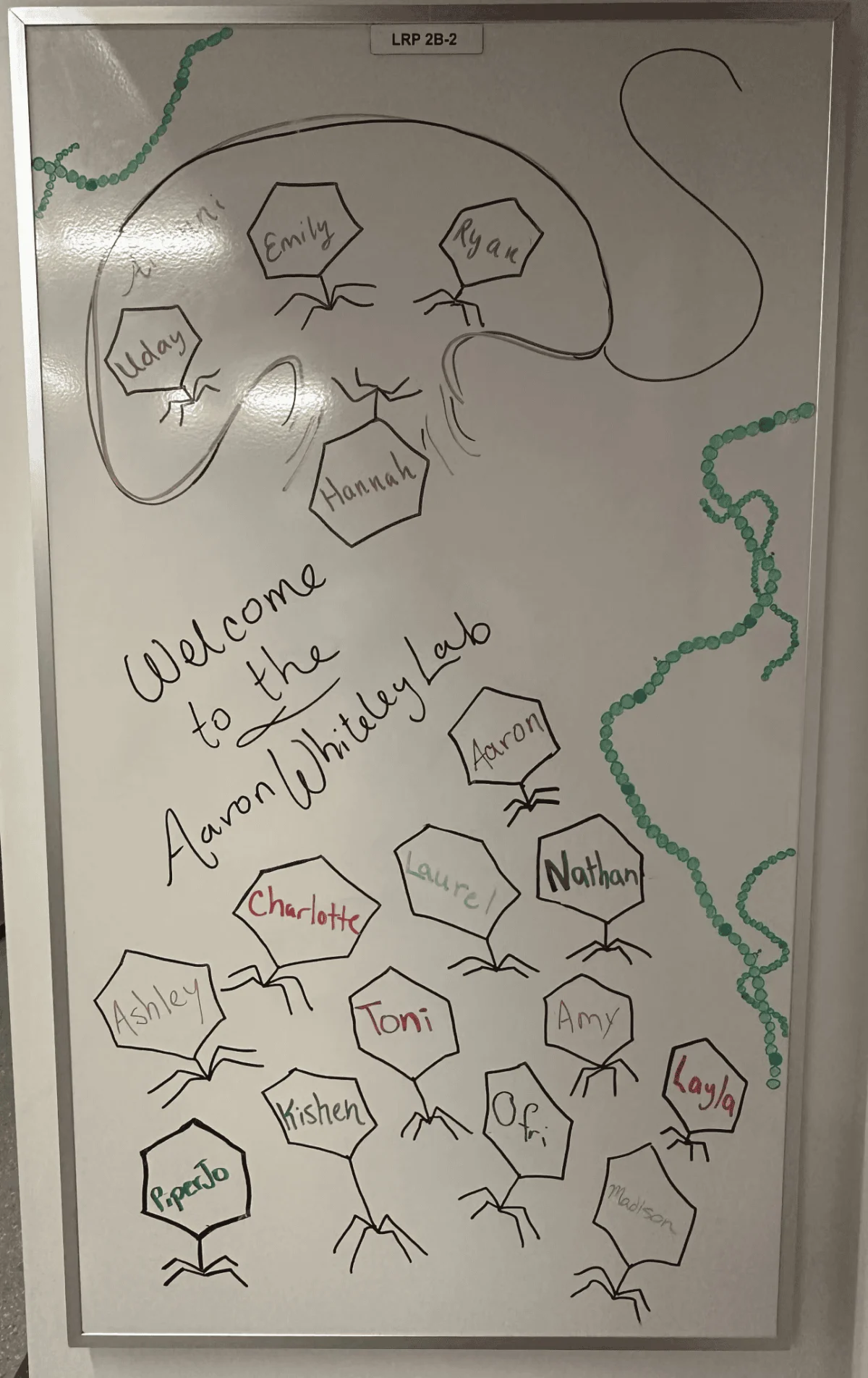
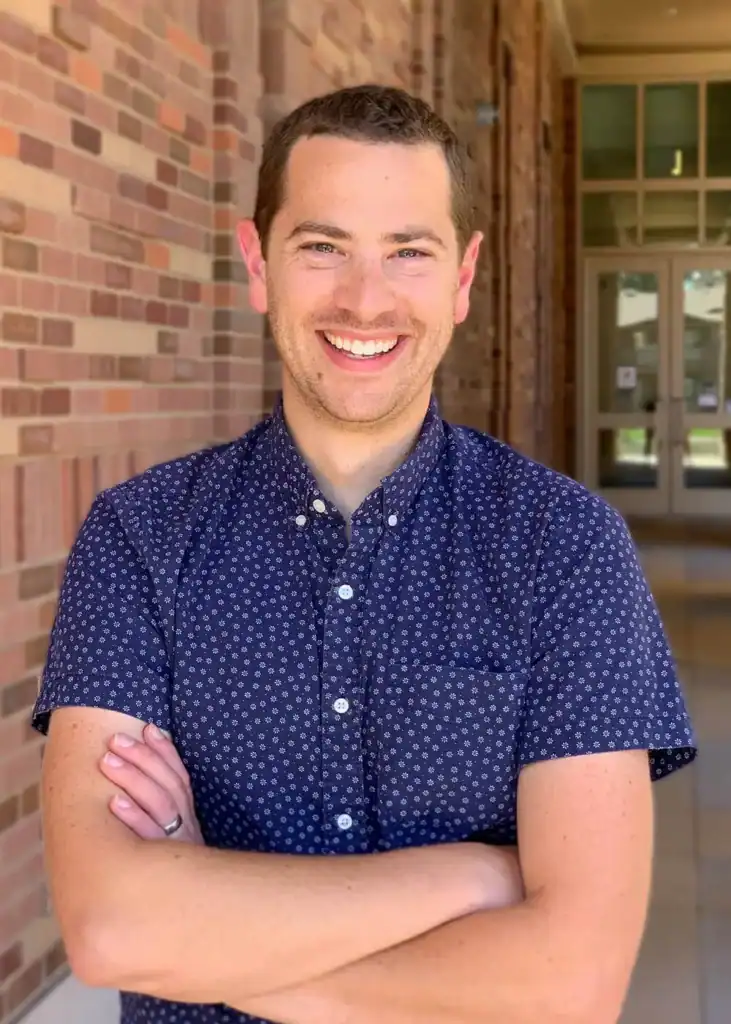
In the quiet, high-stakes world of molecular biology, the most profound medical breakthroughs often begin with a question that seems, at first glance, entirely disconnected from the clinic. For Dr. Aaron Whiteley, an Assistant Professor in the Department of Biochemistry at the University of Colorado Boulder, that question is: What can the oldest living organisms on Earth teach us about the complexities of human immunity?
Dr. Whiteley has dedicated his career to deciphering the evolutionary dialogue between bacteria and the human immune system. Now, with the support of the prestigious Cancer Research Institute (CRI) Lloyd J. Old STAR award, he is poised to translate these billion-year-old biological secrets into a new generation of cancer therapies—ones that might one day be delivered via the very microbes that call our bodies home.
The Intersection of Microbiology and Oncology: Main Facts
The core of Dr. Whiteley’s research lies in the discovery that several immune signaling pathways, which are now recognized as critical to human health and cancer control, did not emerge with complex multicellular life. Rather, they originated in bacteria over a billion years ago.
By studying these ancestral pathways, Dr. Whiteley’s laboratory is identifying bacterial enzymes that act as "switches" for our own immune responses. His latest project aims to create a "Rosetta Stone" for bacteria-immune interactions. The objective is to design customized probiotics—genetically tuned microbes—that can be introduced into the human body to activate these pathways, effectively priming or boosting the immune system to recognize and eliminate cancer cells more efficiently.
This work is classified as high-risk, high-reward research. Unlike traditional drug discovery, which often iterates on existing molecules, Whiteley’s approach attempts to rewire the fundamental communication system between the microbiome and the host’s immune cells.
A Career Built on Curiosity: The Chronology of Discovery
Dr. Whiteley’s path to the forefront of immunotherapy began with a rigorous academic foundation. He earned his PhD from the University of California, Berkeley, where he was distinguished as a National Science Foundation Graduate Research Fellow. His work there laid the groundwork for his interest in immune signaling—a field that explores how cells communicate threats to one another.
Following his doctoral studies, he transitioned to Harvard Medical School for postdoctoral training. It was during this period that his research began to shift toward the evolutionary origins of immunity. He began to see the immune system not as a closed system, but as a biological heritage passed down through eons.
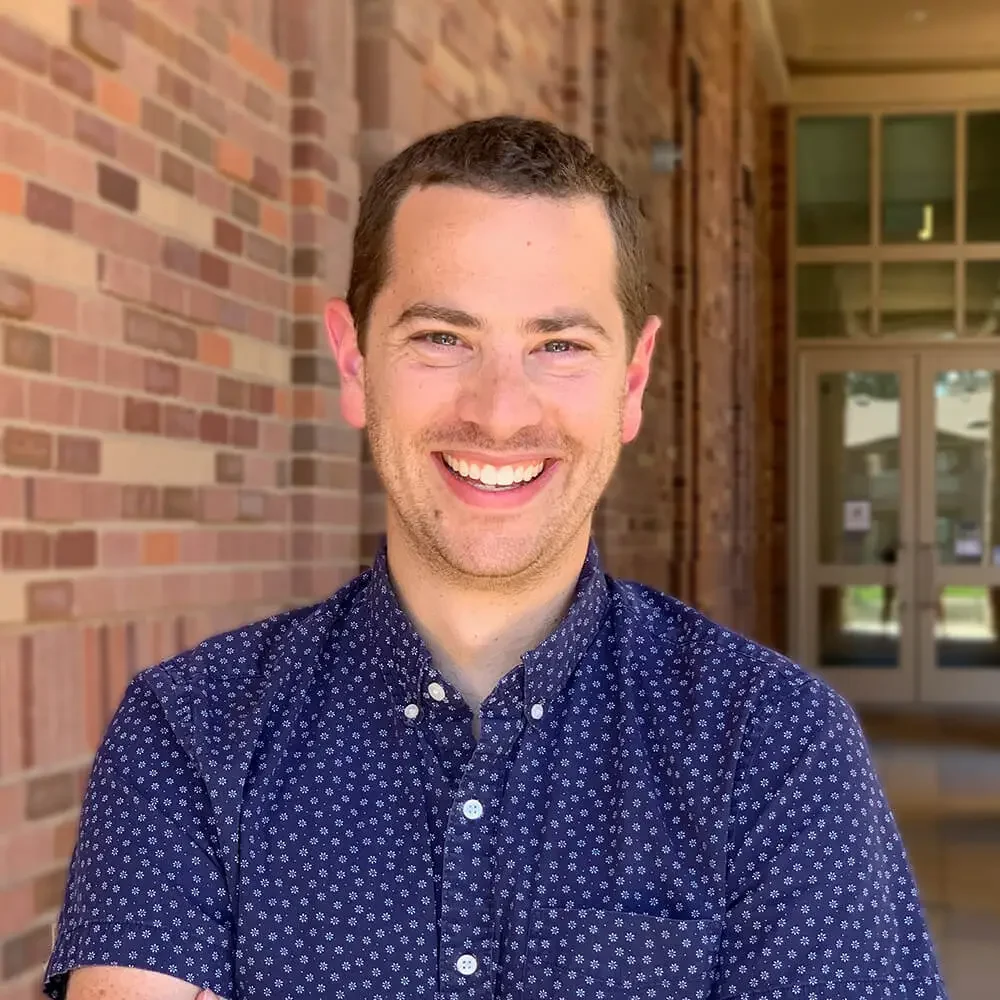
In 2020, Dr. Whiteley established his independent laboratory at the University of Colorado Boulder. Since then, his team has systematically mapped how ancient bacterial pathways mirror those in humans. The year 2026 marks a pivotal turning point for the lab, as the receipt of the CRI STAR award provides the financial and structural independence to move from theoretical mapping to experimental, high-stakes application.
The Power of "High-Risk, High-Reward": Supporting Data
The scientific community often operates under a conservative funding model. The National Institutes of Health (NIH) and other major granting bodies, by necessity, favor projects with predictable, incremental outcomes. While this ensures a baseline of scientific progress, it often discourages "pie-in-the-sky" research—the kind of radical thinking that results in paradigm shifts.
The CRI STAR program was designed specifically to fill this gap. By providing unrestricted funding, the program empowers scientists to pursue ideas that might otherwise be dismissed as too experimental or insufficiently proven.
"When you’re constantly focused on how do I get a little bit more data to get the next grant, especially when those grants are coming from the NIH, they are a little bit more risk-averse," Dr. Whiteley explains. "You can’t do the pie-in-the-sky paradigm-shifting experiments. This grant will enable us to push the limits."
The impact of this philosophy is already evident at the University of Colorado Boulder. Dr. Edward Chuong, a 2025 STAR award recipient, notes that the freedom offered by the program has been transformative for his own lab. "The STAR award has inspired our lab to go all in on our ideas," Chuong states. "The unrestricted support has allowed us to chase high-risk leads and provides an incredible chance to take big risks that have a chance of improving cancer immunotherapy."
Bridging the Gap: Official Perspectives and Future Implications
The implications of Dr. Whiteley’s work extend far beyond the walls of his lab. By decoding the "Rosetta Stone" of bacterial-immune signaling, the team hopes to create therapies that are personalized and highly targeted.
Rethinking the Microbiome
For decades, the gut microbiome was viewed primarily through the lens of digestion. More recently, researchers have recognized its role in influencing the efficacy of checkpoint inhibitors and other immunotherapies. Dr. Whiteley’s work goes a step further: he is not just studying how the microbiome affects the immune system, but how we can re-engineer the microbiome to serve as a therapeutic delivery vehicle for anti-cancer signals.
The Human Element: Mentorship and Legacy
Dr. Whiteley’s impact is measured not just in laboratory findings, but in the scientists he trains. A recipient of multiple graduate mentoring awards, he views the next generation as the ultimate drivers of medical progress.
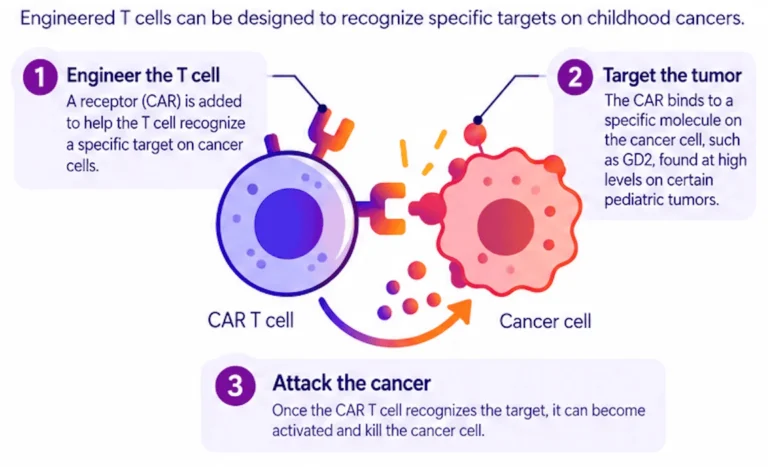
"If we look back at history, even 100 years ago at how bleak treating a disease like cancer was," Whiteley reflects. "And now I overhear patients in line at the supermarket saying they had gotten CAR T cell therapy. Could you imagine explaining that to someone from 100 years ago, even from 25 years ago? But that only happens if there’s another generation to keep moving the needle, keep pushing the envelope."
Redefining the Standard of Care
The long-term goal of the Whiteley Lab is to change the standard of care for cancer patients. If successful, the "customized probiotics" project could offer a low-toxicity, high-impact method for enhancing immunotherapy response rates. This would be particularly transformative for patients who currently do not respond to existing treatments, providing a new avenue for intervention that leverages the body’s own ancient, evolutionary defenses.
Conclusion: The Horizon of Immune Science
The Cancer Research Institute’s investment in Dr. Aaron Whiteley is an investment in the unknown. By supporting a scientist who bridges the gap between the ancient history of life on Earth and the future of human medicine, the CRI is backing a vision that could fundamentally redefine how we treat cancer.
As Dr. Whiteley and his team move forward, they carry the weight of both historical biological wisdom and the hope of future patients. The journey from a bacterial enzyme to a clinical immunotherapy is long, complex, and fraught with challenges. Yet, with the freedom provided by the STAR program, the team at the University of Colorado Boulder is uniquely positioned to bridge that gap.
In the coming years, the work emerging from the Whiteley Lab will likely serve as a benchmark for how we integrate microbiology, immunology, and oncology. It is a reminder that the most sophisticated solutions to modern diseases may have been hiding in plain sight for over a billion years, waiting for the right minds to ask the right questions.