








August 31, 2026 — As the medical community navigates a complex landscape of public health crises, clinical negligence, and systemic policy changes, this week’s news cycle highlights the fragility of both domestic health infrastructure and international medical safety. From the tragic fallout of medication errors in Tennessee to the long-term, devastating health legacy of the September 11 attacks, the following report synthesizes the most critical updates impacting patient care and public policy.
I. Clinical Negligence and Patient Safety
The most alarming development this week centers on a catastrophic failure of patient safety protocols at Ascension Saint Thomas Midtown in Tennessee. A formal report from the Tennessee Health Facilities Commission has confirmed that a series of medication mix-ups during surgical procedures resulted in grave outcomes for four patients.
According to the findings, one patient remains on life support, while three others have sustained permanent, "significant lower-extremity neurological impairment." The incident has triggered a firestorm of criticism regarding hospital oversight and the implementation of safety checks in high-acuity environments. This case underscores a recurring theme in modern hospital administration: the critical necessity of redundant, automated verification systems to prevent human error in drug administration.
Simultaneously, the legal landscape surrounding pharmacies continues to shift. The U.S. Department of Justice announced that retail giant Walmart has agreed to a $50 million settlement. The allegations centered on the pharmacy chain’s failure to properly vet prescriptions, resulting in the illegal dispensing of thousands of opioid medications and other controlled substances. This settlement serves as a stark reminder of the pharmacy industry’s role in the ongoing opioid epidemic and the legal expectations for gatekeepers of controlled substances.
II. Mental Health, Postpartum Crisis, and the Legal System
The intersection of mental health and the criminal justice system has dominated headlines, particularly concerning cases of postpartum psychosis. As jurors continue deliberations in the high-profile trial of Lindsay Clancy, who is accused of killing her three children, the public’s attention is fixed on the complexities of maternal mental health.
In a parallel development, a New York City mother was found not guilty by reason of insanity for the 2022 killing of her two sons at a family shelter. Expert testimony in that case confirmed that the mother was suffering from severe postpartum psychosis at the time of the incident. These cases have sparked a national conversation about the adequacy of mental health resources for new mothers and the challenge of navigating "diminished capacity" defenses in the legal system.
Meanwhile, the workforce in the healthcare sector is mourning the loss of Jiayi Zheng, an RN at NYU Langone Hospital-Brooklyn. Zheng was tragically killed in a hit-and-run accident in Sunset Park, New York, leaving a void in her local medical community and highlighting the vulnerability of healthcare workers both inside and outside the clinical setting.
III. Public Health Outbreaks and Emerging Threats
The global health landscape remains volatile. In the Democratic Republic of the Congo, the Ebola virus continues its rapid progression, now affecting 60 health zones. With a total of 5,794 confirmed cases and 2,786 deaths, the current outbreak is officially classified as the fastest-growing in history. International health organizations are struggling to contain the spread, citing logistical hurdles and the challenge of providing care in conflict-ridden areas.
Closer to home, the United States is facing a diverse set of infectious disease challenges:
- Measles: Clusters are rising across Pennsylvania, Wisconsin, and Georgia, prompting health officials to urge renewed vigilance regarding vaccination status.
- Rabies: North Carolina health authorities have issued an alert after four baby goats at a mobile petting zoo tested positive for rabies, posing a significant risk to the public who may have interacted with the animals.
- Gastrointestinal Health: Emerging data on Cyclospora and other foodborne illnesses suggests that the long-term consequences of these infections are often underestimated. Experts now note that patients may suffer from chronic gut problems, including IBS-like symptoms, for months or even years post-infection.
IV. The 9/11 Health Legacy: A 25-Year Reckoning
As the 25th anniversary of the September 11, 2001, terrorist attacks approaches, the long-term physical toll on survivors and first responders is becoming increasingly apparent. A recent report indicates that cancer rates among the 9/11 survivor population have skyrocketed by 1,680% over the last decade.
This data highlights the delayed biological consequences of toxic dust exposure, smoke inhalation, and chronic stress associated with the recovery efforts at Ground Zero. The medical establishment is now grappling with how to manage this growing cohort of patients, as the long-term healthcare needs of survivors continue to exceed initial projections.
V. Policy Shifts and Systemic Oversight
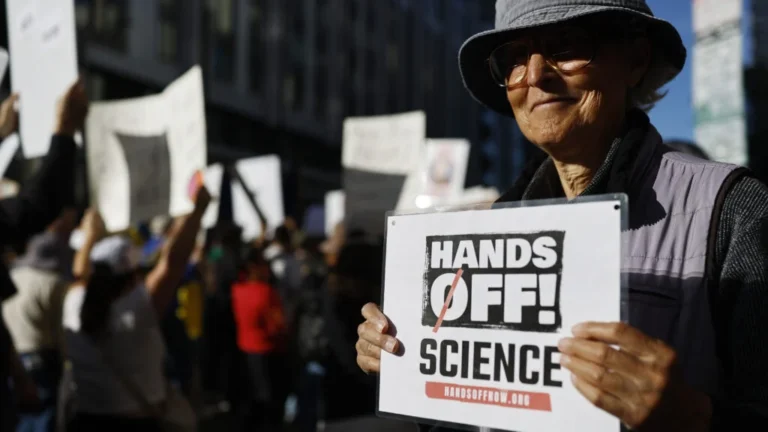
In the nation’s capital, significant shifts in scientific governance are underway. A Nature analysis reveals that the Trump administration has terminated over 100 advisory committees that historically provided guidance to science agencies. Furthermore, the analysis suggests that remaining committees have been restructured in ways that critics argue reduce transparency and independence. The removal of external scientific oversight is raising alarms among researchers who fear that evidence-based policy may be increasingly sidelined in favor of political agendas.
In other policy news, the legacy of Hurricane Katrina is finally being reimagined. New Orleans’ iconic Charity Hospital, which was left derelict for two decades following the 2005 floods, is the subject of a $500 million revitalization project. The facility is set to be transformed into a state-of-the-art medical research hub, symbolizing a massive reinvestment in the city’s long-term healthcare infrastructure.
VI. Social and Human Interest Perspectives
While the medical news cycle is often dominated by morbidity and policy, this week provided moments of human complexity:
- Indigenous Rights: Reports concerning the forced contraception of thousands of Indigenous women in Greenland by Danish authorities have led to a heated debate over the definition of genocide. Investigators remain split on whether these historical actions meet the legal threshold for the term, though the ethical implications are undisputed.
- Patient Education: The Washington Post reported on the overlooked symptom of fatigue as a warning sign for heart attacks in women. This underscores the persistent gender bias in clinical diagnostics, where women’s cardiac symptoms are frequently misinterpreted compared to their male counterparts.
- Educational Innovation: In a lighter note, a Texas fourth-grade teacher has gone viral for creating a "fart corner" in her classroom. By normalizing a natural bodily function, she has addressed the anxiety and social stigma students feel in a school environment, demonstrating the positive impact of psychological comfort on the developing child.
VII. Conclusion and Implications
The events of this week illustrate a fundamental truth about modern medicine: health is inextricably linked to the environment, the law, and social policy. Whether it is the rise of substance-related dangers—such as the Trump-themed ecstasy pills circulating in the Netherlands—or the systemic failures leading to surgical errors in Tennessee, the common thread is the need for rigorous, transparent, and empathetic oversight.
As we look toward the final quarter of 2026, the medical community must remain vigilant. The combination of rising infectious disease clusters, the ongoing crisis in immigrant detention health (as highlighted by ProPublica), and the erosion of independent scientific advisory bodies suggests that the coming months will require a renewed commitment to evidence-based practice and patient-centered advocacy.
Disclaimer: This report is a compilation of medical news and commentary gathered from various sources. Links provided in the original text may require subscriptions. Please consult local health departments for the most current updates on outbreaks and safety warnings in your region.