


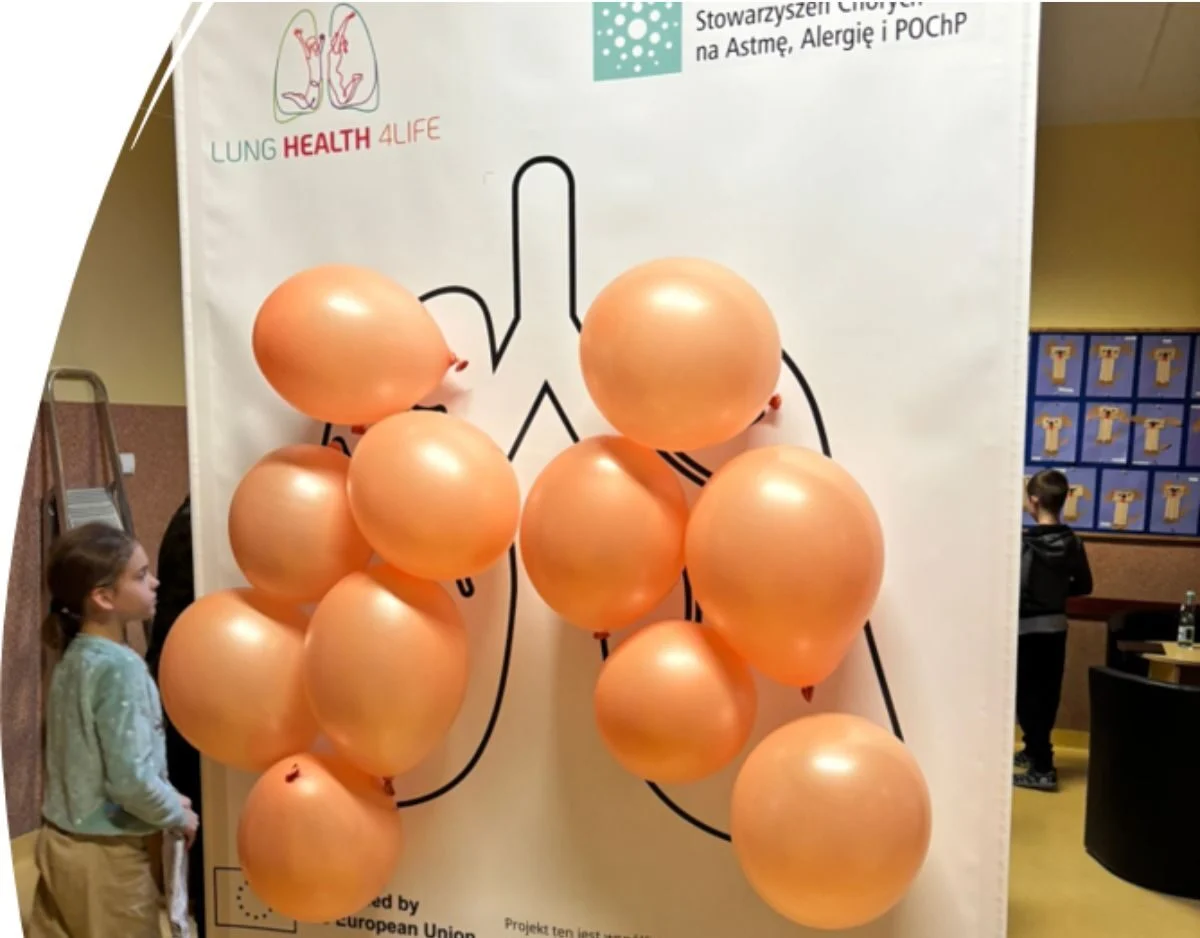
The foundation of lifelong respiratory health is laid in childhood. Yet, across Europe, socio-economic disparities and environmental stressors continue to undermine the lung development of millions of children. In response to this growing public health challenge, the "LungHealth4Life" (LH4L) project has emerged as a vital initiative, bridging the gap between clinical respiratory care and community-based education. Coordinated by the European Lung Foundation (ELF) through the Lungs Europe framework, the project is currently transforming how children, teachers, and families understand, monitor, and protect lung health.
By integrating school-based educational modules with clinical-grade lung function testing, LH4L is not merely raising awareness; it is actively gathering the data necessary to inform long-term public health policies aimed at reducing the burden of respiratory disease.
Main Facts: The Intersection of Education and Clinical Science
The core mission of LungHealth4Life is rooted in the medical consensus that early-life environmental and social factors—such as air pollution, housing quality, and economic stability—are primary determinants of respiratory function in adulthood. The project’s methodology is twofold: it delivers interactive classroom education and provides on-site spirometry, a gold-standard diagnostic test used to measure lung capacity and airflow.
The project is a collaborative effort involving six European partners, with the European Lung Foundation spearheading communication and dissemination. By ensuring that scientific findings are translated into accessible, actionable insights, the ELF is positioning LH4L as a scalable model for health literacy.
The intervention specifically targets schools in areas characterized by higher levels of socio-economic disadvantage and environmental exposure. This focus is intentional; children in these demographics often face a "health equity gap," where access to specialized respiratory information and preventative diagnostics is significantly lower than in more affluent regions. By bringing the hospital to the school, LH4L removes traditional barriers to care, empowering families to take ownership of their respiratory wellbeing.
Chronology: A Multi-National Implementation Timeline
The rollout of LH4L has been a measured, deliberate process, emphasizing local adaptation over a "one-size-fits-all" approach.
- Initial Conceptualization: Recognizing that respiratory health is shaped in early life, researchers and policy advocates established the LH4L framework to address the rising prevalence of chronic lung conditions.
- Polish Pilot Phase (Legionowo): The project launched its first major school-based activities in Legionowo, near Warsaw. This pilot focused on children aged 7–12, acknowledging that this age range is critical for cognitive development and health-habit formation. Working alongside the Polish Federation of Asthma, Allergy and COPD Patients’ Associations, the team successfully conducted spirometry for 144 children.
- Refinement of Methodology: During the Polish rollout, the project identified a critical bottleneck: parent-reported health questionnaires were difficult for some families to navigate. In a testament to the project’s agility, the team developed a short, highly accessible explanatory video to clarify the process. This adjustment significantly increased data quality and participation rates.
- Portuguese Expansion (Vila Real de Santo António): The initiative expanded to southern Portugal, targeting two primary schools. In collaboration with the Portuguese Association of General and Family Medicine, the project engaged 306 children. Unlike the Polish pilot, the Portuguese model placed a heavier emphasis on family engagement, incorporating workshops specifically designed for parents.
- The Upcoming Hungarian Phase: Looking ahead, the project is preparing to launch in Hungary, where approximately 300 pupils will participate. This phase is designed to test the scalability of the model in a new cultural and administrative environment.
Supporting Data: Understanding the Environmental Burden
The necessity of the LungHealth4Life project is backed by a growing body of evidence linking early life exposure to adult respiratory dysfunction. Chronic lung conditions are not merely the result of genetic predisposition; they are deeply tied to the "exposome"—the totality of environmental exposures a person encounters from conception onwards.
In the participating schools in Poland and Portugal, the data collected from spirometry provides a rare, granular look at the lung function of children living in high-risk areas. In Legionowo, the exposure to industrial air pollution serves as a case study for the physical toll that poor air quality takes on developing bronchial systems. In Portugal, the focus on economically disadvantaged schools highlights how the "poverty penalty" manifests in health outcomes—where poor housing conditions and lack of nutritional or medical resources can exacerbate asthma and other respiratory vulnerabilities.
The project’s data collection is not limited to lung function; it includes longitudinal surveys. Follow-up questionnaires are currently being issued to participants in Poland and Portugal to measure the "retention of knowledge." The research team is looking for two distinct outcomes:
- Cognitive Awareness: Do the children remember the physiological lessons about how lungs work?
- Behavioral Change: Have the families implemented changes at home, such as improved ventilation, reduced exposure to indoor pollutants, or increased physical activity?
Official Responses and Stakeholder Engagement
The success of LH4L relies heavily on the synergy between medical professionals and the education sector. Volunteers from the Portuguese Association of General and Family Medicine played a critical role in delivering the testing, demonstrating a new model of "out-of-office" clinical care.
By integrating these sessions into the standard school timetable, the project ensures that participation is not an "add-on" or an inconvenience, but a normalized part of the school day. This reduces the stigma often associated with medical testing and creates a comfortable, familiar environment for the children.
The European Lung Foundation has emphasized that the project’s greatest achievement is the partnership between local health associations and schools. As the project expands, the ELF remains committed to translating these findings into long-term policy recommendations. They argue that if lung health can be screened and taught effectively in a school setting, there is a strong economic and social case for making such programs a standard component of national health curricula across the European Union.
Implications: Building a Sustainable Future for Lung Health
The implications of the LungHealth4Life project extend far beyond the immediate findings of the current pilot programs. As the project moves into its next phase, the data will be used to advocate for a more robust, preventative approach to pediatric respiratory health.
1. The Power of Early Detection
Spirometry is often reserved for symptomatic patients. LH4L proves that, when administered in a non-clinical setting, it can be a powerful tool for early detection. By identifying children with reduced lung function before they develop severe symptoms, medical providers can intervene early with lifestyle guidance or preventative care, potentially altering the trajectory of their long-term health.
2. Bridging the Socio-Economic Gap
The project provides a roadmap for addressing health inequality. By targeting areas with fewer resources, LH4L demonstrates that health education is not a luxury. By providing the tools—such as the explanatory videos developed in Poland or the parent workshops in Portugal—the project ensures that even the most vulnerable families have access to the same quality of information as those in wealthier urban centers.
3. Policy and Sustainability
The final goal of the project is the creation of a "Blueprint for Lung Health Education." Once the data from Hungary is analyzed and the follow-up studies in Poland and Portugal are concluded, the findings will be shared with EU policymakers. The hope is to integrate these findings into public health initiatives that prioritize clean air and lung-health education as essential components of the European school experience.
Conclusion
LungHealth4Life is more than an educational program; it is a vital public health intervention. By viewing the school as a hub for health, rather than just academic learning, the project is fostering a generation that is aware of their physical development and the factors that influence it.
As the project continues to evolve, its success will be measured not just by the number of children tested, but by the systemic changes it inspires. In the long term, the LH4L project aims to ensure that no child’s future is limited by the air they breathe or their access to health information. With continued support from the European Lung Foundation and its partners, this initiative is well-positioned to serve as a cornerstone for future respiratory health policy, proving that when we invest in the lungs of our children, we are investing in the health of our future society.
For those interested in following the progress of this project or reviewing the educational resources developed by the team, further information is available at https://europeanlung.org/lungseurope/lunghealth4life/.