










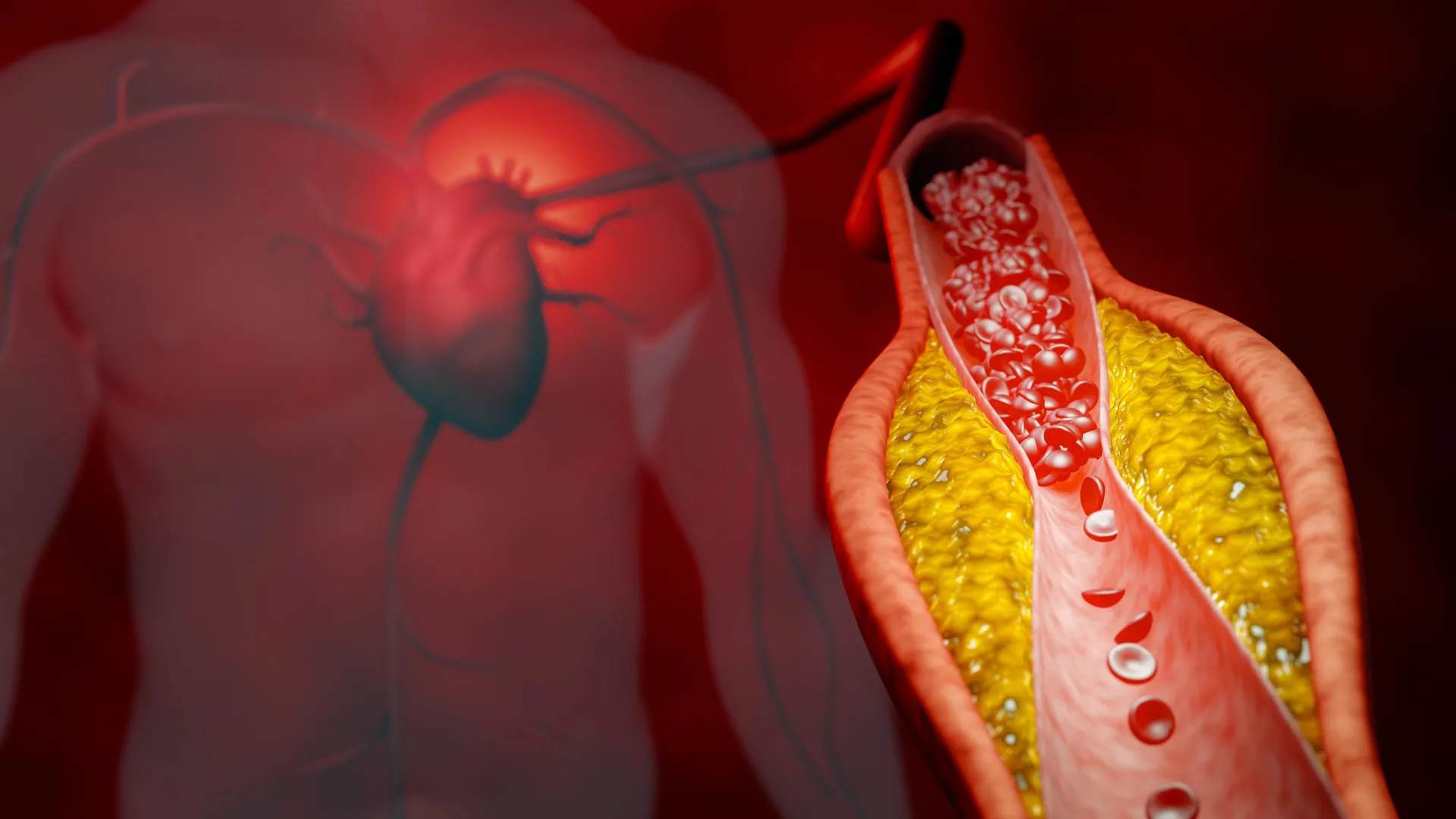
High levels of cholesterol in the bloodstream—clinically referred to as hypercholesterolemia—represent one of the most pervasive health crises of the modern era. As fatty deposits accumulate within arterial walls, they trigger a cascade of inflammation and plaque formation known as atherosclerosis, the silent engine driving heart disease and strokes worldwide. For decades, the medical community has relied heavily on statins to manage these risks. However, with many patients experiencing debilitating side effects, the search for a more precise, genetic-level intervention has intensified.
In a landmark study recently published in the journal Biochemical Pharmacology, a collaborative team of researchers from the University of Barcelona and the University of Oregon has unveiled a promising new frontier: the use of "polypurine hairpins" (PPRHs) to silence the protein responsible for preventing cholesterol clearance. This novel therapeutic approach promises to lower "bad" cholesterol with greater efficiency and fewer side effects than traditional pharmacological treatments.
The Science of PCSK9: The Body’s Cholesterol Gatekeeper
To understand the magnitude of this discovery, one must first look at the protein PCSK9 (proprotein convertase subtilisin/kexin type 9). In a healthy physiological state, the liver utilizes low-density lipoprotein (LDL) receptors to pull "bad" cholesterol (LDL-C) out of the bloodstream. These receptors act as molecular magnets, grabbing LDL particles and recycling them into the liver to be broken down.
However, PCSK9 acts as a biological "off-switch" for these receptors. When the liver produces high levels of PCSK9, the protein binds to the LDL receptors and marks them for degradation. With fewer receptors available on the surface of liver cells, LDL cholesterol remains trapped in the blood, where it eventually deposits into arterial walls, forming the plaques that lead to cardiovascular events.
For years, scientists have sought ways to inhibit PCSK9 to keep these receptors active. While monoclonal antibodies and existing siRNA (small interfering RNA) therapies have made significant strides, the research team led by Carles J. Ciudad and Verónica Noé has introduced a third, potentially superior, genetic pathway: the use of synthetic DNA-based molecules known as polypurine hairpins.
Chronology of a Genetic Innovation
The path to this discovery was not overnight. The research, which received funding from the Spanish Ministry of Science, Innovation and Universities (MICINN) and the United States’ National Institutes of Health (NIH), began with a fundamental question: Could we intercept the PCSK9 protein at the transcriptional level before it is even manufactured by the cell?
Phase I: Molecular Design and Targeting
The team identified specific sequences within the PCSK9 gene—specifically within exons 9 and 12—that were susceptible to interference. They engineered specialized DNA strands that fold into a hairpin shape, dubbed HpE9 and HpE12. Unlike traditional drugs that interact with proteins, these molecules are designed to interact directly with the genetic machinery of the cell.
Phase II: In Vitro Validation
In the initial testing phase, the researchers introduced HpE9 and HpE12 into HepG2 cells (human liver cell lines). The efficacy was striking. The molecules utilized Watson-Crick base pairing to bind specifically to the target DNA sequences, effectively blocking RNA polymerase from transcribing the PCSK9 gene. By silencing the gene at its source, the cells were able to maintain a higher density of LDL receptors.
Phase III: The Animal Model Breakthrough
Following the success in cellular models, the team moved to transgenic mice engineered to express the human version of the PCSK9 gene. This provided a "living laboratory" to observe how the PPRHs would behave in a complex biological system. A single injection of HpE12 yielded dramatic results, significantly reducing plasma PCSK9 levels and lowering overall cholesterol by nearly half within three days.
Supporting Data: The Power of Precision
The data provided in the Biochemical Pharmacology study underscores the potency of these hairpins. Professor Verónica Noé, from the University of Barcelona’s Faculty of Pharmacy and Food Sciences, highlighted the quantitative success of the trials:
"The results show that both HpE9 and HpE12 are highly effective in HepG2 cells. HpE12, in particular, demonstrated a remarkable capacity to dampen gene expression, decreasing PCSK9 RNA levels by 74% and protein levels by 87%," she noted.
In the transgenic mouse models, the therapeutic impact was immediate and measurable. A single administration of HpE12 resulted in:
- A 50% reduction in plasma PCSK9 levels.
- A 47% decrease in total cholesterol levels within just 72 hours.
These figures are particularly significant because they demonstrate that the therapy does not require constant, daily dosing to be effective, potentially improving patient adherence—a common hurdle in long-term cholesterol management.
Official Perspectives: The Experts Speak
The collaboration between the University of Barcelona and the University of Oregon represents a multidisciplinary approach to a systemic problem. Professor Carles J. Ciudad, a lead researcher in the Department of Biochemistry and Physiology, explains the specific mechanical advantage of the hairpins:
"Specifically, one of the arms of each chain of the HpE9 and HpE12 polypurines binds specifically to polypyrimidine sequences of exons 9 and 12 of PCSK9, respectively, via Watson-Crick bonds," Ciudad explains. By physically obstructing the gene, these molecules essentially freeze the production of the PCSK9 protein, preventing the "molecular sabotage" that the protein usually performs on LDL receptors.
The research team, which includes Nathalie Pamir from the University of Oregon, emphasizes that the primary goal is not just to lower cholesterol, but to do so in a way that minimizes the "collateral damage" often associated with systemic drugs.
Implications: Beyond the Statin Era?
The implications of this study are profound, particularly regarding the long-term management of cardiovascular health. While statins are effective, they are notoriously linked to side effects such as myopathy (muscle pain and weakness), elevated liver enzymes, and an increased risk of type 2 diabetes in susceptible individuals.
1. Safety and Lack of Immunogenicity
One of the most compelling advantages of the PPRH-based approach is its safety profile. Because these hairpins are constructed from natural DNA bases, they are generally stable and, crucially, lack the immunogenicity—or the tendency to trigger an unwanted immune response—that can plague some viral-vector or protein-based therapies.
2. Economic and Structural Advantages
From a manufacturing perspective, PPRHs offer a distinct economic edge. They are relatively inexpensive to synthesize compared to monoclonal antibodies like evolocumab or alirocumab, which require complex biological manufacturing processes. If these hairpins can be mass-produced, they could significantly democratize access to high-end cholesterol treatments in lower-income regions.
3. A New Pillar of Cardiovascular Medicine
While therapies like Inclisiran (an siRNA-based treatment) are currently available, the field of oligonucleotide therapy is still in its relative infancy. The introduction of PPRHs adds a robust, new tool to the clinician’s arsenal. By targeting the DNA level directly, scientists may eventually be able to "tune" cholesterol levels with the precision of a thermostat.
The Road Ahead
Despite the success in animal models, the researchers acknowledge that the transition to human clinical trials remains the next critical hurdle. The team is currently looking at delivery mechanisms—ensuring the PPRHs reach the liver safely without being degraded by the body’s natural defense systems.
If future studies confirm that the results seen in the transgenic mice translate to the human cardiovascular system, we could be looking at the next generation of "precision cardiology." For the millions of patients currently struggling with the side effects of statins or those whose cholesterol remains stubbornly high despite dietary and lifestyle modifications, the work of Ciudad, Noé, and Pamir offers more than just a scientific breakthrough—it offers the promise of a safer, more effective future for heart health.
As the scientific community watches the progression of this research, one thing is clear: the war on heart disease is shifting from the systemic treatment of symptoms to the precise, genetic correction of the underlying biological causes. With polypurine hairpins, that future may be closer than we think.