New research published today (November 17) in Hypertension, a flagship journal of the American Heart Association (AHA), has unveiled a significant and often overlooked link between chronic pain and the development of high blood pressure. For millions of adults, the persistent ache of musculoskeletal issues may be more than just a source of daily discomfort—it could be a precursor to life-threatening cardiovascular disease.
The study, which analyzed health data from over 200,000 U.S. adults, suggests that the "reach" and severity of a patient’s pain are predictive markers for future hypertension. As medical professionals look for ways to mitigate the global burden of heart disease, these findings underscore the necessity of a holistic approach to patient care, where pain management and mental health support are treated as pillars of cardiovascular prevention.
The Scope of the Problem: Beyond Mere Discomfort
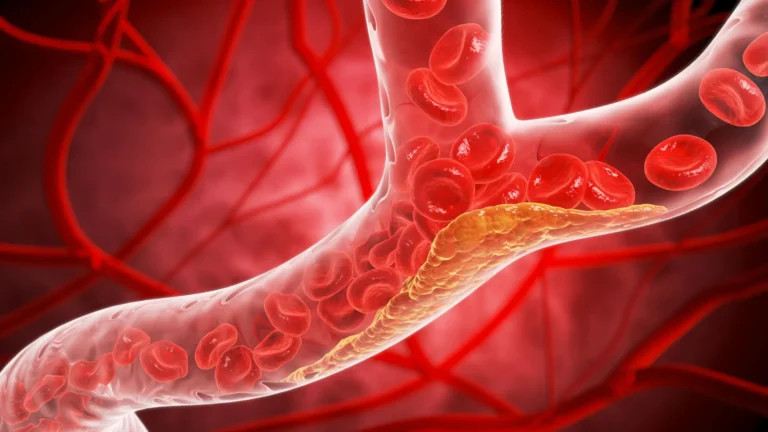
High blood pressure, or hypertension, is a silent epidemic. Characterized by blood pressing too forcefully against the vessel walls, it serves as a primary driver for heart attacks and strokes. According to the 2025 joint American Heart Association/American College of Cardiology guidelines, hypertension—defined as readings of 130/80 mm Hg or higher—affects nearly half of all U.S. adults. It remains the leading cause of death both domestically and globally.
While the immediate physiological reaction to acute pain—a sudden spike in blood pressure—is well-documented, the long-term consequences of chronic pain have remained a subject of intense scientific debate. The new research, led by Dr. Jill Pell, the Henry Mechan Professor of Public Health at the University of Glasgow, provides one of the most comprehensive looks to date at how long-term pain functions as a physiological stressor over time.
The Findings: A Dose-Response Relationship
The study followed participants over an average period of 13.5 years. The data revealed a clear "dose-response" relationship: the more widespread the pain across a patient’s body, the higher their risk of developing high blood pressure. Those suffering from systemic, full-body chronic pain exhibited a significantly higher probability of developing hypertension compared to those who reported no pain, transient discomfort, or pain localized to a single region.
"The more widespread their pain, the higher their risk of developing high blood pressure," Dr. Pell explained. "Part of the explanation for this finding was that having chronic pain made people more likely to have depression, and then having depression made people more likely to develop high blood pressure."
Chronology of Research: How the Study Was Constructed
To arrive at these conclusions, researchers utilized a massive longitudinal dataset. The study was designed to bridge the gap between self-reported physical sensations and clinical health outcomes.
Data Collection and Methodology
At the baseline, participants completed detailed questionnaires intended to map the geography of their pain. They were asked if they had experienced pain in the previous month that interfered with their daily functioning. The study categorized pain by location, including the head, face, neck/shoulder, back, stomach/abdomen, hip, and knee, or, notably, across the entire body.
Crucially, participants were asked to confirm if these symptoms had persisted for more than three months, the standard clinical threshold for defining "chronic" pain.
Assessing Confounding Variables
The research team did not look at pain in a vacuum. They accounted for two major physiological and psychological variables known to influence hypertension:
- Mental Health: Depression was measured via standardized questionnaires that assessed mood, lack of interest, restlessness, and lethargy over a two-week period.
- Systemic Inflammation: Researchers utilized blood tests to measure C-reactive protein (CRP), a well-established marker of systemic inflammation.
By integrating these variables, the study was able to determine that inflammation and depression act as vital mediators. While inflammation has long been associated with arterial stiffening, the study’s novelty lies in confirming that the mental health burden of chronic pain acts as a "bridge" to cardiovascular decline.
Supporting Data: Why Pain Matters to the Heart
The implications of this research are grounded in the body’s complex response to prolonged distress. Chronic musculoskeletal pain—such as persistent back, neck, or knee pain—is the most common form of long-term suffering in the general population.
The data suggests that the nervous system, when bombarded by chronic pain signals, remains in a state of hyper-arousal. This constant state of "fight or flight" can lead to chronic elevations in cortisol and other stress hormones, which eventually take a toll on the cardiovascular system.
Furthermore, the study indicates that the psychological fallout of chronic pain—specifically depression—creates a feedback loop. Depression is known to affect lifestyle choices, such as physical activity levels, diet, and adherence to medication, all of which contribute to rising blood pressure. Dr. Pell notes that the correlation between these factors is so strong that early intervention for depression in chronic pain patients could serve as a secondary prevention strategy for hypertension.
Expert Perspectives: A Shift in Clinical Care
Dr. Daniel W. Jones, chair of the 2025 AHA/ACC High Blood Pressure Guideline and professor emeritus at the University of Mississippi School of Medicine, praised the study for clarifying the role of chronic pain in cardiovascular pathology.
"It is well known that experiencing pain can raise blood pressure in the short term; however, we have known less about how chronic pain affects blood pressure long-term," Dr. Jones said. "This study adds to that understanding, finding a correlation between the number of chronic pain sites and that the association may be mediated by inflammation and depression."
The "Pain Medication" Paradox
Dr. Jones also sounded a note of caution regarding how physicians treat pain. A significant concern for the cardiology community is the reflexive use of Nonsteroidal Anti-Inflammatory Drugs (NSAIDs), such as ibuprofen, which are frequently used to manage musculoskeletal pain.
"Chronic pain needs to be managed within the context of the patients’ blood pressure, especially in consideration of the use of pain medication that may adversely affect blood pressure," Dr. Jones warned. He urged for more randomized controlled trials to determine how different pain management strategies—both pharmacological and lifestyle-based—influence blood pressure over time.
Implications: The Future of Holistic Medicine
The primary takeaway from this research is that clinical silos—where cardiologists treat the heart and pain specialists treat the joints—are no longer sufficient.
Early Detection and Integrated Care
Dr. Pell advocates for a more integrated approach. "When providing care for people with pain, health care workers need to be aware that they are at higher risk of developing high blood pressure, either directly or via depression," she stated. "Recognizing pain could help detect and treat these additional conditions early."
For patients, this means that reporting chronic pain is not just about seeking relief from discomfort; it is a critical piece of information that their primary care physician needs to know to monitor cardiovascular health effectively.
Limitations of the Current Study
While the findings are compelling, the authors were careful to outline the study’s limitations:
- Demographic Constraints: The study population primarily consisted of middle-aged or older white adults of British origin. Consequently, these findings may not be immediately generalizable to younger populations or to individuals of diverse racial and ethnic backgrounds.
- Methodological Nuances: The study relied on self-reported pain levels and clinical diagnostic coding. Additionally, the research utilized a single pain assessment and two blood pressure measurements, which may not capture the full, fluctuating nature of a patient’s health over a decade.
Despite these limitations, the scale of the research provides a clear mandate for future investigation. As we move toward a more "whole-person" model of medicine, the link between the joints and the heart will undoubtedly become a central focus for clinicians worldwide.
In conclusion, this study serves as a vital reminder that the body is an interconnected system. Chronic pain is not merely a localized symptom; it is a systemic challenge that requires a comprehensive, multidisciplinary approach to ensure that a patient’s long-term quality of life is protected from the silent, mounting pressures of hypertension.