










Despite affecting nearly 90% of the U.S. adult population, a new, critical health condition remains largely invisible to the public. Known as Cardiovascular-Kidney-Metabolic (CKM) syndrome, this condition represents a major paradigm shift in how medical professionals understand the interplay between heart disease, kidney function, and metabolic health. A sweeping new survey from the American Heart Association (AHA) has revealed a stark reality: while the vast majority of Americans are living with at least one risk factor for the syndrome, awareness of the condition is alarmingly low.
As healthcare systems prepare for the release of the first-ever clinical guidelines for CKM syndrome in 2026, experts are sounding the alarm on the need for integrated, systemic care.
Main Facts: Understanding the "Full Circle" of Health
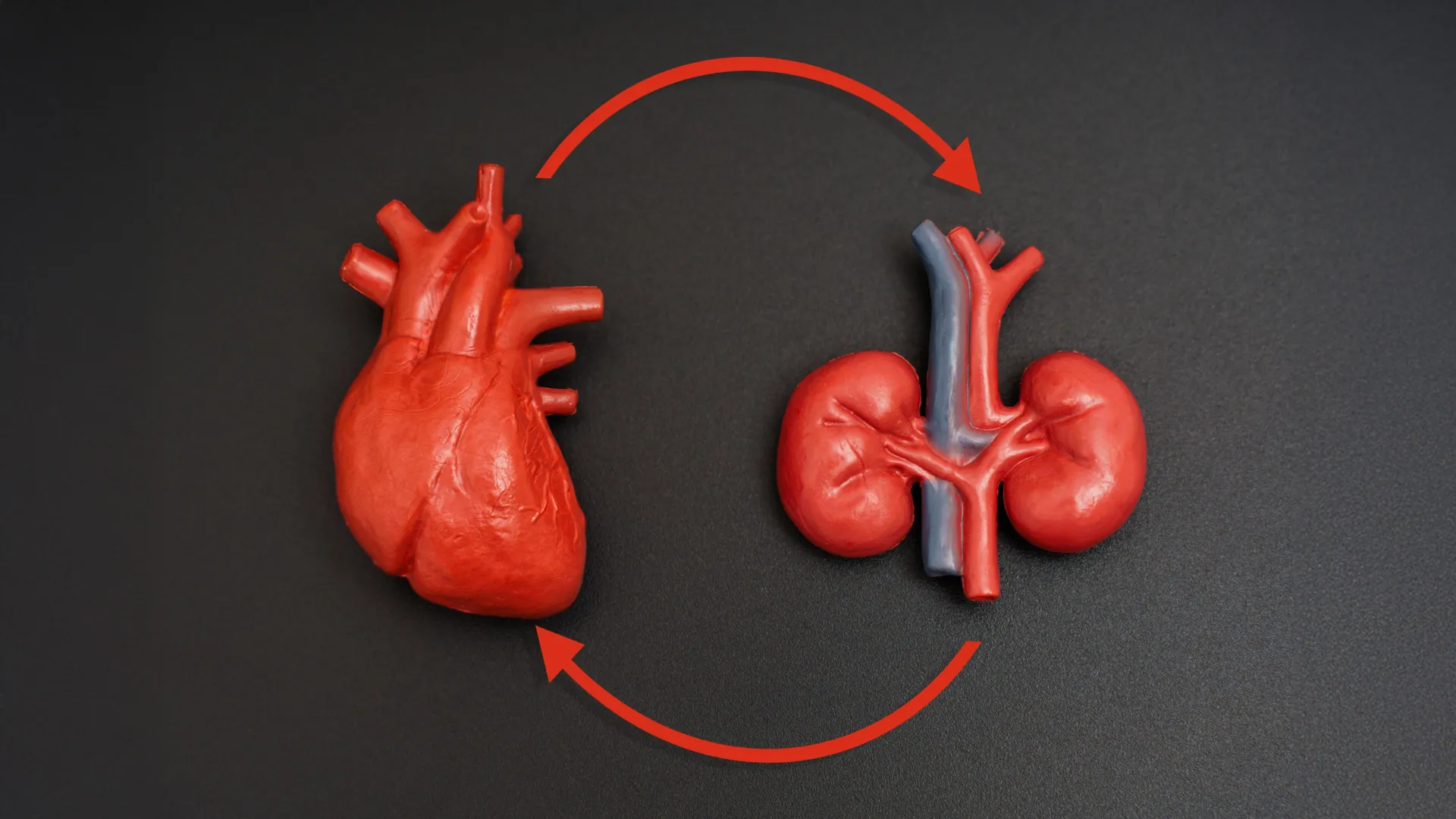
At its core, CKM syndrome is not a single disease, but a syndromic state. It occurs when heart, kidney, and metabolic systems—which are fundamentally interdependent—begin to decline in tandem. The metabolic system, responsible for energy production, storage, and blood glucose regulation, is intrinsically linked to the health of the kidneys and the cardiovascular system.
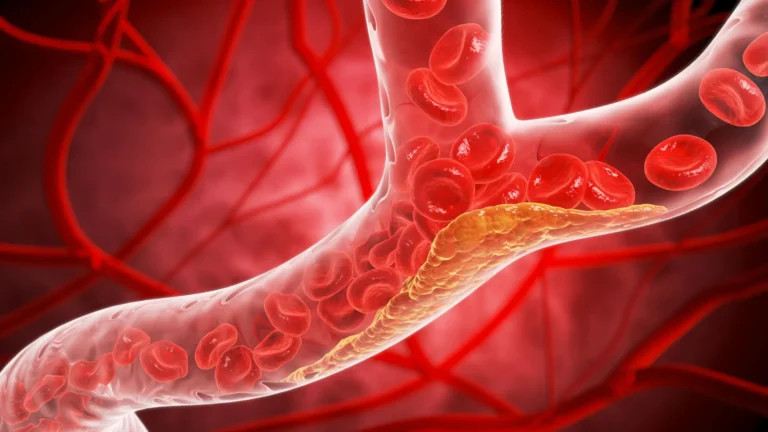
When these systems struggle, they do not do so in isolation. Instead, they create a harmful, self-reinforcing cycle. High blood pressure, abnormal cholesterol levels, elevated blood glucose, excess weight, and diminished kidney function are not just individual ailments; they are interconnected markers that, when combined, exponentially increase the risk of heart attack, stroke, and heart failure.
The American Heart Association defines CKM health as the holistic function of these three pillars. When one pillar falters, it places unsustainable strain on the others. Fortunately, this cycle is not always permanent. For many, CKM syndrome is a reversible condition, provided that individuals engage in lifestyle modifications—such as optimized nutrition and increased physical activity—coupled with timely, appropriate medical intervention.
The Chronology of an Emerging Crisis
The recognition of CKM syndrome is the result of years of clinical observation that traditional, siloed medicine was failing to address the "whole patient."
- Pre-2023: Medical professionals increasingly noticed that patients treated for heart disease often presented with undiagnosed kidney issues or metabolic dysregulation (such as type 2 diabetes). However, treatment remained fragmented, with cardiologists, nephrologists, and endocrinologists often working without unified protocols.
- 2023-2024: The American Heart Association began formalizing the CKM framework, moving away from treating these conditions as isolated occurrences and toward a unified diagnostic model.
- August 2025: The Harris Poll, commissioned by the AHA, surveyed over 4,000 U.S. adults to assess public awareness of this emerging clinical category. The results confirmed a massive "awareness gap."
- Early 2026 (Forthcoming): The AHA is scheduled to release the first set of comprehensive clinical guidelines for CKM syndrome, which will serve as a roadmap for healthcare providers to implement integrated care across the United States.
Supporting Data: The Scope of the Challenge
The data provided by the 2025 Harris Poll paints a sobering picture of the American health landscape. With 90% of adults possessing at least one risk factor for CKM syndrome, the condition is not a niche medical anomaly; it is a pervasive public health challenge.
The Awareness Gap
The survey results highlight a critical disconnect between the prevalence of risk factors and the public’s understanding of their own health status. While most respondents admitted they had not heard of "CKM syndrome," the sentiment changed rapidly once the concept was explained. Nearly three-quarters of survey participants expressed that they understood the importance of the connection between these systems and were eager to learn more about preventative measures.
Statistical Precision
The study, conducted between August 6 and August 22, 2025, utilized a rigorous methodology to ensure the results accurately reflected the U.S. population. By weighting for variables including age, gender, race, household income, and smoking status, researchers ensured that the findings were representative. With a Bayesian credible interval accuracy of ± 2.0 percentage points at a 95% confidence level, the survey serves as a robust baseline for future public health initiatives.
Official Responses: The Call for Integrated Care
Eduardo Sanchez, M.D., FAHA, the American Heart Association’s chief medical officer for prevention, has been a leading voice in the push for a systemic approach to CKM.
"We want people to know that it’s really common to have heart, kidney, and metabolic risk factors at the same time," Dr. Sanchez stated. "The heart, kidney, and metabolic systems are connected and, as such, should be treated in a coordinated way. These results reveal the need to emphasize those connections and help patients understand the importance of collaborative care."
Dr. Sanchez emphasizes that the "full circle" of health requires patients to take ownership of their biomarkers. "It’s a full circle," he explains. "You can take care of your overall health with regular checks of your blood pressure, cholesterol, weight, blood sugar, and kidney function."
The Association’s stance is clear: the era of treating the heart as separate from the kidneys or metabolism must end. By encouraging healthcare professionals to adopt an interdisciplinary approach, the AHA hopes to move from reactive "sick care" to proactive, life-long health maintenance.
Implications: A New Era of Preventative Medicine
The implications of acknowledging CKM syndrome are profound for both the patient and the healthcare provider.
For Patients: Empowerment Through Knowledge
The American Heart Association’s CKM Health Initiative is designed to bridge the education gap. Through an online resource hub, the organization provides tools that explain the links between these systems in plain language. By helping individuals identify the "two truths" of CKM—that these systems are connected and that early, coordinated action is possible—the AHA aims to reduce the incidence of catastrophic events like heart attacks and strokes.
For Healthcare Systems: Breaking the Silos
The most significant hurdle remains the current structure of the medical industry, which often incentivizes specialization over integration. The forthcoming 2026 guidelines are expected to push for:
- Unified Screening: Implementing broader, more integrated health screenings that assess metabolic, kidney, and heart markers simultaneously during routine physicals.
- Collaborative Care Teams: Facilitating communication between primary care physicians, cardiologists, and specialists to ensure that a patient’s treatment plan for diabetes does not conflict with, or ignore, their cardiovascular health.
- Preventative Focus: Shifting the focus from managing late-stage disease to identifying "at-risk" individuals earlier in the progression of the syndrome, when interventions are most effective.
The Future of CKM Advocacy
The initiative is supported by a coalition of industry leaders, including Founding Sponsors Novo Nordisk and Boehringer Ingelheim, Supporting Sponsors Novartis Pharmaceuticals Corporation and Bayer, and Champion Sponsor DaVita. This level of cross-sector commitment underscores the severity of the issue and the shared recognition that CKM syndrome is a defining health issue of the modern era.
For healthcare professionals looking to adapt their practice, the AHA has launched heart.org/CKMtools, an portal dedicated to interdisciplinary care strategies and resources for joining the CKM Health Initiative.
Conclusion
As we look toward 2026, the definition of "health" in the United States is undergoing a transformation. CKM syndrome is no longer a hidden factor in the background of chronic illness; it is being brought to the forefront of clinical and public awareness. By recognizing that the heart, kidneys, and metabolism are a single, interconnected unit, we can move toward a more efficient, compassionate, and effective healthcare system.
The journey to better health begins with awareness. For the millions of Americans living with CKM risk factors, the knowledge that their health is connected is the first step toward taking control of their future. Through early screening, lifestyle awareness, and a new culture of integrated care, the tide can be turned against this silent epidemic.