










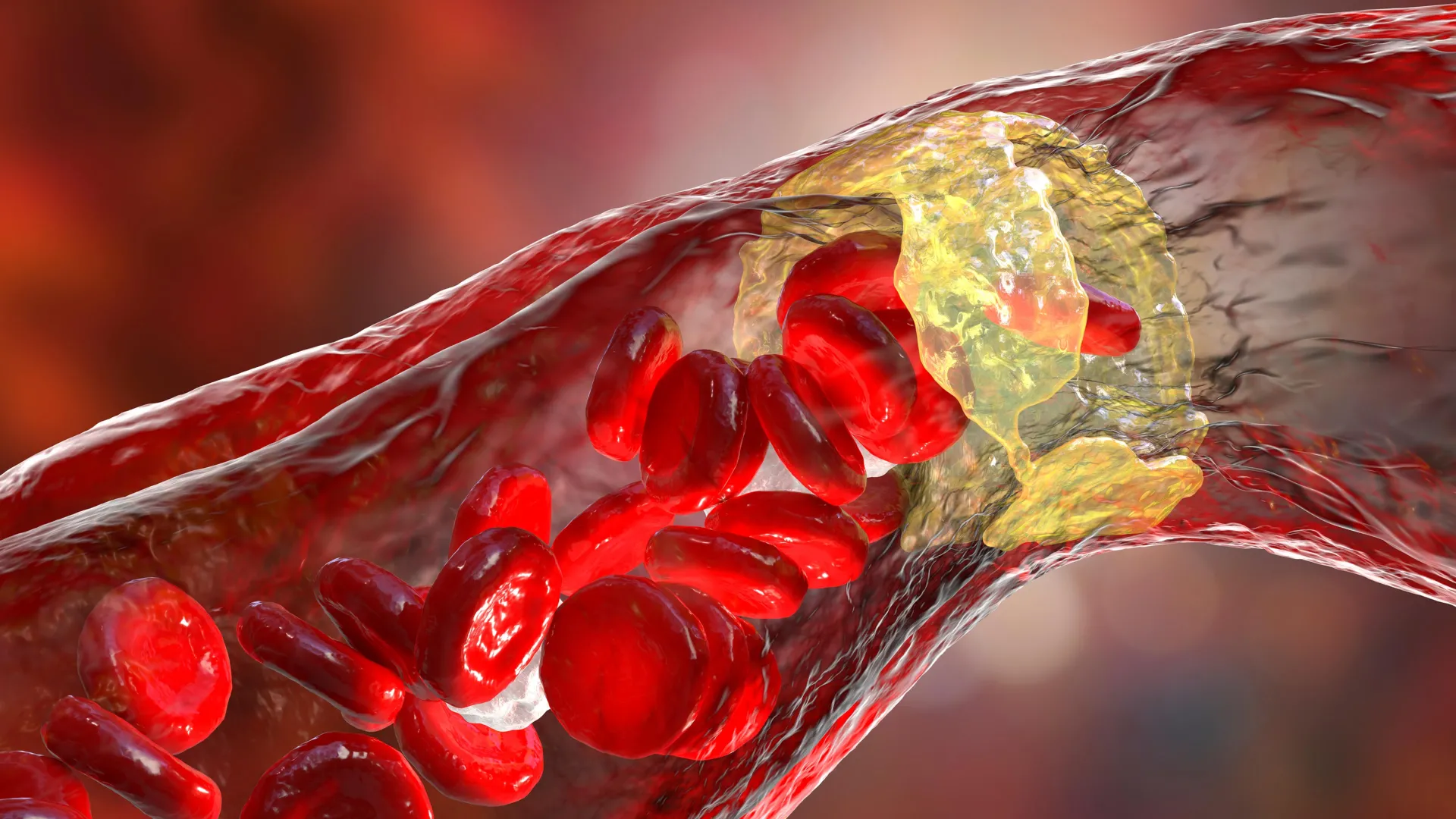
In an era defined by the ubiquity of synthetic materials, a startling new study from the University of California, Riverside (UCR) has brought a hidden danger to the forefront of cardiovascular medicine. Researchers have discovered that routine exposure to microplastics—the microscopic remnants of everyday consumer plastics—may act as a potent catalyst for atherosclerosis, the dangerous narrowing and hardening of arteries that serves as the primary precursor to heart attacks and strokes.
Published in the journal Environment International, the study offers a sobering insight: while these particles are pervasive in the air we breathe, the water we drink, and the food we consume, their biological impact may be far more discriminatory than previously imagined. Most notably, the study found that this accelerated arterial damage occurred exclusively in male subjects, suggesting that biological sex may be a critical determinant in how the body processes plastic-induced systemic stress.
The Pervasive Presence: A Global Contamination Crisis
Microplastics are defined as plastic fragments smaller than five millimeters, though many are so small they are invisible to the naked eye. They are shed from a staggering array of sources: the breakdown of polyester clothing in the wash, the degradation of single-use food packaging, and the weathering of industrial materials. Once released, they permeate every corner of the biosphere.
Recent clinical investigations have already confirmed the presence of these particles within human arterial plaques. However, until now, the scientific community had struggled to determine if these particles were mere bystanders—passive debris caught in the flow of the bloodstream—or active agents of cardiovascular injury. The UCR study, led by Professor Changcheng Zhou of the School of Medicine, moves the needle from correlation to potential causation, providing some of the most compelling evidence to date that microplastics may directly trigger arterial pathology.
Chronology: From Lab Bench to Biological Breakthrough
The study utilized a sophisticated, high-precision approach to isolate the impact of microplastics on cardiovascular health. To ensure the results were relevant to human health, the researchers employed a standardized "heart disease mouse model"—specifically, LDLR-deficient mice, which are genetically predisposed to developing atherosclerosis.
The Experimental Design
- Baseline Stabilization: Both male and female mice were placed on a low-fat, low-cholesterol diet. This diet was specifically chosen to mirror the nutritional intake of a lean, healthy human, ensuring that any plaque development would be attributable to the introduction of microplastics rather than dietary excess.
- Controlled Exposure: Over a period of nine weeks, the team administered a daily dose of 10 milligrams of microplastics per kilogram of body weight. This dosage was calculated to mirror the realistic levels of exposure a human might encounter through daily environmental and dietary intake.
- Observation and Analysis: Following the nine-week exposure window, the team utilized advanced imaging and single-cell RNA sequencing to map the internal health of the mice’s arteries.
The results were immediate and jarring. While the control groups remained stable, the male mice exposed to microplastics exhibited a 63% increase in plaque accumulation in the aortic root and a staggering 624% increase in the brachiocephalic artery—a critical vessel supplying blood to the head and arms.
Supporting Data: Dissecting the Biological Toll
Perhaps the most significant aspect of the UCR findings is the "control" of traditional risk factors. Researchers confirmed that the accelerated plaque growth was not a byproduct of secondary health issues. The mice did not gain weight, nor did they experience spikes in cholesterol or lipid levels.
"We found that traditional risk factors such as obesity or high cholesterol did not explain the heightened arterial damage," noted Professor Zhou. By eliminating these variables, the team was able to pinpoint the exact mechanism of harm: the direct disruption of endothelial cells.
The Endothelial Assault
Endothelial cells form the inner lining of the blood vessels. They act as the body’s "gatekeepers," regulating blood pressure, managing inflammation, and ensuring smooth circulation. The study revealed that these cells are the first to encounter circulating microplastics. Once the plastic particles make contact, they trigger a cascade of inflammation.
Using single-cell RNA sequencing, the researchers observed that microplastics effectively "reprogrammed" the gene activity within these cells. The particles activated harmful, pro-atherogenic pathways, essentially forcing the cells to contribute to the formation of plaque rather than protecting against it. The presence of fluorescently tagged microplastics within the lesions themselves confirmed that the particles were not just triggering the damage from the outside; they were infiltrating the vessel walls, lodging themselves within the tissue, and sustaining the inflammatory response.
The Gender Divide: Why Males are More Susceptible
One of the most profound takeaways from the study is the sex-specific nature of the harm. While male mice suffered extensive arterial degradation, female mice exposed to the exact same concentrations of microplastics remained largely unaffected.
"Our findings fit into a broader pattern seen in cardiovascular research, where males and females often respond differently," Professor Zhou explained. "Although the precise mechanism isn’t yet known, factors like sex chromosomes and hormones, particularly the protective effects of estrogen, may play a role."
This disparity provides a new frontier for cardiovascular research. If estrogen—or other female-dominant biological markers—acts as a shield against the inflammatory effects of microplastics, it could lead to new therapeutic interventions for both sexes. Understanding why males are more susceptible to this environmental toxin could unlock the keys to protecting vulnerable populations from the cardiovascular consequences of our plastic-heavy society.
Official Responses and Public Health Implications
The scientific community has received the UCR report as a "wake-up call." For years, the public conversation surrounding microplastics has focused largely on marine life and environmental toxicity. This study shifts the focus toward human internal medicine, suggesting that the "plastic crisis" is not just an environmental issue, but a major public health emergency.
Strategies for Mitigation
Professor Zhou is pragmatic about the difficulty of total avoidance. "It’s nearly impossible to avoid microplastics completely," he admits. However, the researchers emphasize that individual agency can still play a role in lowering the cumulative "body burden" of these particles:
- Dietary Adjustments: Reducing the intake of highly processed foods, which are often exposed to plastic during manufacturing and packaging.
- Material Selection: Limiting the use of single-use plastics in food and water storage. Switching to glass, stainless steel, or ceramic containers can significantly reduce the leaching of microplastics into consumables.
- Proactive Health Management: Because no medical procedure currently exists to "filter" microplastics out of the human body, the best defense is a strong offense. Maintaining cardiovascular health through regular exercise, a heart-healthy diet, and vigilant management of known risk factors remains the most effective strategy for mitigating the cumulative risks of modern environmental exposure.
Future Research: The Road Ahead
While this study provides the strongest evidence yet that microplastics are an active contributor to cardiovascular disease, the UCR team emphasizes that the work is far from finished. The researchers have already outlined a roadmap for future investigation:
- Molecular Mechanisms: Deep-diving into the specific signaling pathways that trigger endothelial dysfunction.
- Plastic Profiling: Investigating how different types, shapes, and sizes of microplastics affect vascular health. Not all plastics are created equal, and some may be more biologically reactive than others.
- Translational Studies: Moving beyond mouse models to explore whether humans exhibit the same sex-specific susceptibility.
"As microplastic pollution continues to rise worldwide, understanding its impacts on human health—including heart disease—is becoming more urgent than ever," said Professor Zhou.
The UCR study, which was supported in part by the National Institutes of Health and involved collaborations with Harvard Medical School, Boston Children’s Hospital, and the University of New Mexico Health Sciences, marks a pivotal moment in toxicology. It suggests that the convenience of modern plastic is coming at a hidden cost to the human heart—a cost that, if left unchecked, may be written in the very walls of our arteries. As we wait for further research to clarify these risks, the message from the scientific community is clear: when it comes to plastic, less is undeniably more.