







For decades, the standard medical response to a heart attack has been reactive: clear the blockage, restore blood flow, and hope the body’s natural healing processes—often hindered by the formation of stiff, non-contractile scar tissue—can prevent the onset of congestive heart failure. However, a groundbreaking advancement in regenerative medicine is shifting the paradigm from damage control to active tissue repair.
Bioengineers at the University of California San Diego (UCSD) have developed an injectable, intravascular biomaterial capable of navigating the bloodstream to reach and repair damaged tissue. By effectively "healing from the inside out," this technology offers a less invasive, more systemic approach to addressing injuries that were previously inaccessible or too fragile for direct intervention.
The Core Innovation: A Shift in Delivery
The foundation of this research, led by Professor Karen Christman, lies in the use of the extracellular matrix (ECM)—the natural scaffolding that provides structure to cardiac muscle tissue. While the team’s earlier success with VentriGel—a hydrogel injected directly into the heart muscle via a catheter—proved that the ECM could encourage cell growth and tissue repair, it came with a significant caveat. Direct injection into delicate, recently damaged heart muscle carries the risk of further injury, meaning it cannot be administered immediately following a heart attack.
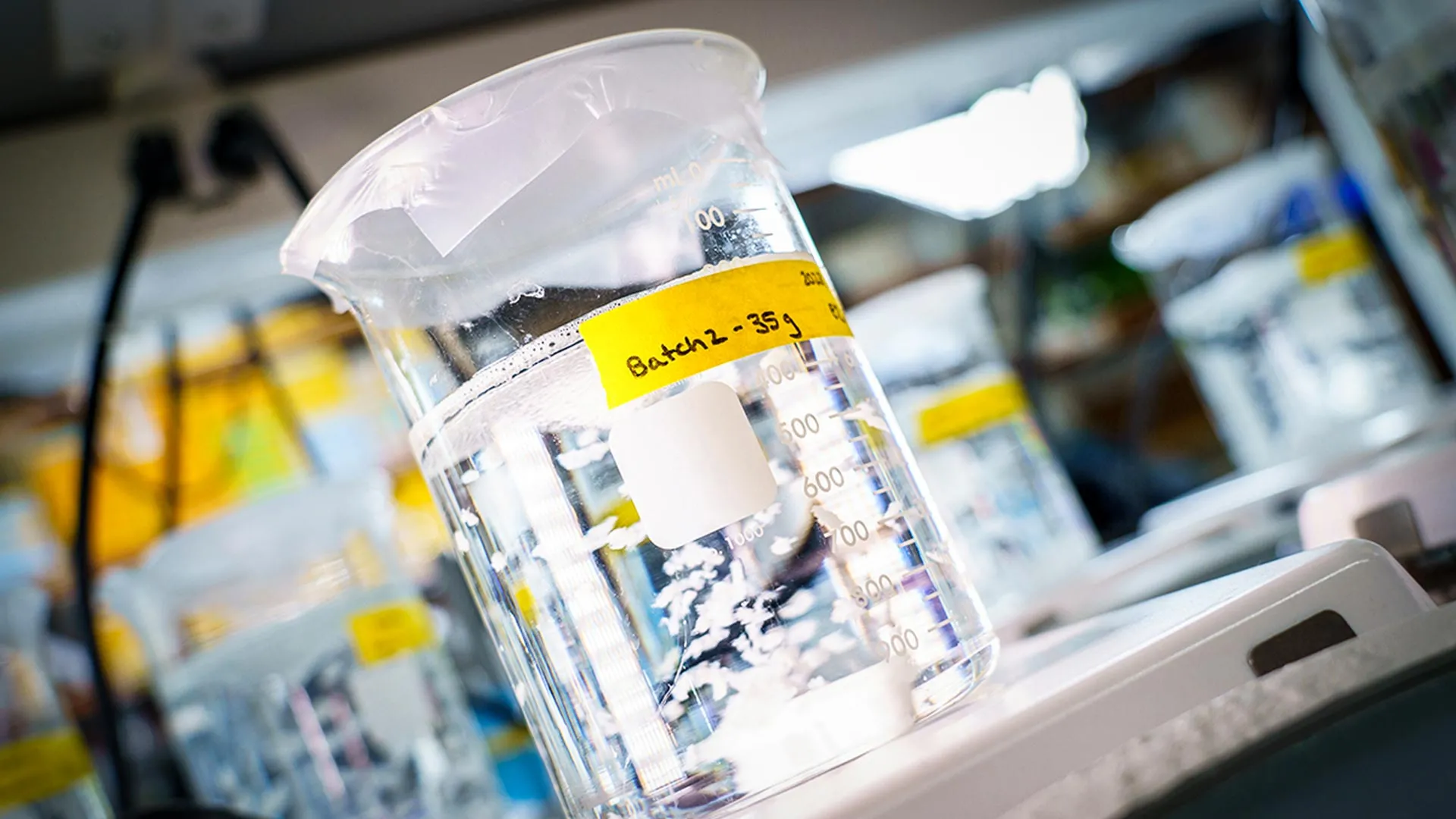
To overcome this, researchers sought a method that could utilize the body’s most efficient transport system: the circulatory system. The resulting biomaterial, described in Nature Biomedical Engineering, represents a leap in bioengineering. By processing the liquid precursor of the hydrogel through a centrifuge and dialysis, the team successfully reduced the particle size to a nano-scale, allowing the material to travel safely through the bloodstream without causing blockages or complications.
Chronology of Development: From Concept to Clinical Potential
The path to this innovation is marked by rigorous iterative research:
- 2019: The team reports the results of a successful phase 1 clinical trial for VentriGel. The study confirms that direct intramyocardial injection is safe for patients with left ventricular dysfunction, providing the "proof of principle" that cardiac ECM can promote healing.
- 2022: A breakthrough paper in Nature Biomedical Engineering introduces the intravascularly infused biomaterial. This study demonstrates that the nano-sized ECM particles can localize to injured tissue, bind to leaky microvasculature, and accelerate healing in both rodent and porcine models.
- 2025: A follow-up study published in Nature Communications utilizes advanced spatial transcriptomics and single-nucleus RNA sequencing. This research deepens the understanding of the mechanism, identifying pro-repair signals that trigger immune modulation, neurogenesis, and blood vessel development.
- Ongoing: Ventrix Bio, Inc., the startup co-founded by Professor Christman, continues to push the technology forward. Clinical trials are currently exploring the broader applications of ECM-based therapies, including pediatric use for complex congenital heart conditions like hypoplastic left heart syndrome.
Supporting Data: Mechanisms of Action
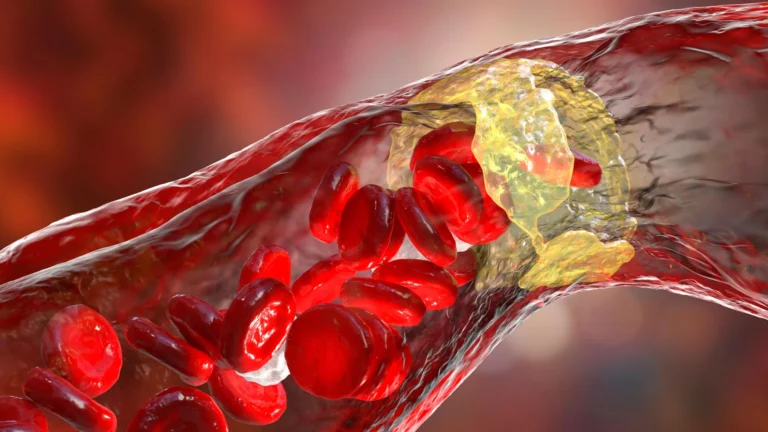
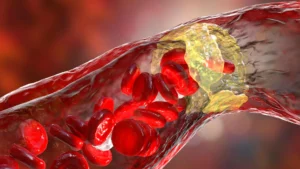
The efficiency of this biomaterial is not merely in its delivery, but in how it interacts with the biological environment. When heart tissue suffers an infarction, the endothelial cells lining the blood vessels become compromised, creating "leaks." The nano-sized biomaterial is engineered to target these specific sites.
Upon reaching the damaged site, the biomaterial performs two critical functions:
- Vascular Repair: It binds to the compromised endothelial cells, effectively "sealing" the gaps and promoting the restoration of the vascular wall.
- Inflammation Modulation: By stabilizing the local environment, the material dampens the body’s inflammatory response, which is a primary driver of post-heart attack tissue necrosis.
In porcine models—often considered the "gold standard" for cardiovascular research—the infusion of this material resulted in measurable physiological improvements. These included reduced left ventricular volumes and improved wall motion scores, indicating that the heart was not just surviving, but actively recovering its mechanical function.
Expert Perspectives: The Clinical Reality
The medical community has received these developments with cautious optimism. For interventional cardiologists, the appeal of a "liquid" therapy that can be administered alongside standard procedures like stenting is immense.
"Coronary artery disease, acute myocardial infarction, and congestive heart failure continue to be the most burdensome public health problems affecting our society today," notes Dr. Ryan R. Reeves, a physician in the UC San Diego Division of Cardiovascular Medicine. "As an interventional cardiologist, I would love to have another therapy to improve patient outcomes and reduce debilitating symptoms. This easy-to-administer therapy has the potential to play a significant role in our treatment approach."
Professor Karen Christman emphasizes that the technology is a foundational shift in how we conceive of regenerative engineering. "This biomaterial allows for treating damaged tissue from the inside out," she states. "It is a new approach to regenerative engineering."
Implications: Beyond the Heart
While the primary focus has been on the heart—the site of one of the most common and deadliest medical emergencies—the implications of an intravascularly delivered biomaterial are vast. Because the material relies on the circulatory system, it is theoretically capable of reaching any organ or tissue with a blood supply.
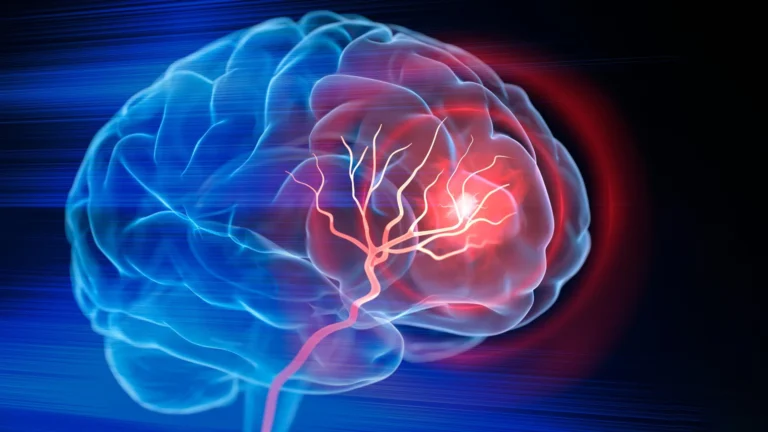
The 2022 study provided proof-of-concept experiments in animal models suggesting the material could be adapted to treat traumatic brain injury (TBI) and pulmonary arterial hypertension. By repurposing the body’s own vascular architecture, scientists may soon be able to deliver therapeutic agents to regions of the body that were previously shielded by the blood-brain barrier or other anatomical hurdles.
Martin Spang, the first author of the 2022 paper, highlights this versatility: "While the majority of work in this study involved the heart, the possibilities of treating other difficult-to-access organs and tissues can open up the field of biomaterials into treating new diseases."
Future Challenges and Regulatory Hurdles
Despite the excitement, the transition from successful animal studies to human clinical practice is fraught with challenges. The primary obstacle remains the regulatory process. The team is currently working toward FDA authorization to initiate human trials.
To gain approval, the research must prove that the biomaterial is not only safe for intravenous delivery but that it is "practical." In the context of emergency medicine, where time is measured in seconds, any therapy must integrate seamlessly into the high-pressure environment of the cardiac catheterization lab. It must be shelf-stable, easy to reconstitute, and compatible with existing clinical protocols.
Furthermore, while the 2025 Nature Communications study provided a high-resolution map of how the therapy works at a cellular level, translating these molecular findings into consistent clinical outcomes for diverse human populations is the ultimate test. Researchers must ensure that the healing signals triggered by the ECM remain consistent across different patient profiles, including those with comorbidities like diabetes or chronic hypertension.
Conclusion: A New Era of Regenerative Medicine
The development of this injectable biomaterial represents a transition from a "patch-and-repair" philosophy to a "regenerate-and-restore" model of medicine. By leveraging the body’s own ECM, bioengineers are effectively speaking the language of the cells, signaling the body to resume the repair processes that are often cut short by the chaos of a cardiac event.
As the scientific community watches the progression of these clinical trials, the broader potential remains clear: the future of medicine may not lie in bigger surgeries or more complex robotic tools, but in the ability to turn the bloodstream itself into a highway for healing. If the upcoming human trials mirror the success seen in rodent and porcine models, the medical field may soon have a powerful, versatile, and elegant solution for some of the most stubborn and life-threatening conditions in modern history.