








In a landmark development for immunology, a pioneering clinical trial at Charité – Universitätsmedizin Berlin has successfully applied cancer-fighting technology to the treatment of severe, treatment-refractory rheumatoid arthritis. By reprogramming a patient’s own immune cells to perform a "system reset," researchers have achieved results that were previously considered unattainable: long-term, drug-free remission in patients who had failed to respond to nearly every other available medical intervention.
This study, published in the journal Nature Medicine, represents the first time that chimeric antigen receptor (CAR) T-cell therapy—a tool synonymous with oncology—has been systematically tested in patients suffering from the chronic, debilitating inflammation of rheumatoid arthritis. The findings provide a potential paradigm shift in how we approach autoimmune diseases, moving away from lifelong symptom management toward the prospect of a biological reset.
The Core Challenge: Why Rheumatoid Arthritis Defies Standard Care
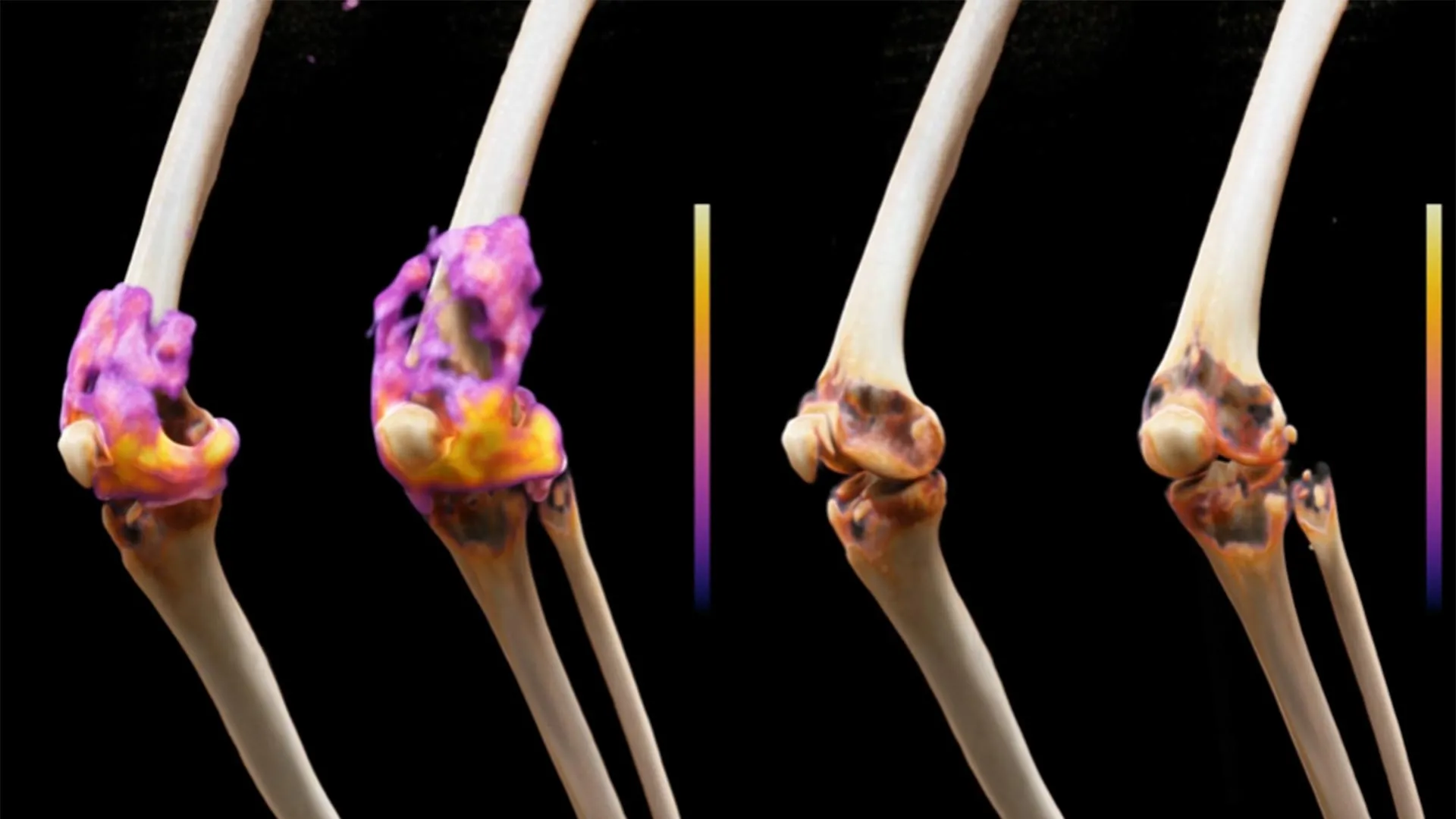
Rheumatoid arthritis (RA) is more than just joint pain; it is a complex, chronic autoimmune disorder where the immune system loses its tolerance, mistakenly identifying the body’s own joint tissues as foreign invaders. This persistent assault leads to chronic inflammation, agonizing swelling, and, if left unchecked, the progressive destruction of cartilage and bone.
While modern medicine has made significant strides, most standard treatments rely on immunosuppressants or biologics that act as "dampers" on the immune system. These medications effectively reduce inflammation but rarely offer a cure. Because the underlying mechanism—the production of disease-driving autoantibodies—remains active, patients are often tethered to lifelong therapy. Furthermore, these drugs come with a suite of side effects and carry the inherent risk of leaving the patient vulnerable to secondary infections.
For a subset of the population, the challenge is even greater. Known as "treatment-refractory" patients, these individuals have tried a multitude of targeted therapies without success. Their quality of life is severely compromised by persistent pain, restricted mobility, and the psychological burden of a disease that seems untouchable by current medical standards.
The culprit, according to Prof. David Simon and Prof. Gerhard Krönke of Charité’s Department of Rheumatology and Clinical Immunology, lies in the "memory" of the immune system. Specifically, disease-driving B cells act as long-lived sentinels residing in lymph nodes, bone marrow, and deep within joint tissues. These cells act as factories for harmful autoantibodies, ensuring that even if circulating inflammation is dampened by medication, the source of the fire remains ready to reignite.
Chronology of a Medical Breakthrough
The path to this clinical milestone began with the success of CAR T-cell therapy in hematological cancers, such as leukemia and lymphoma. In that context, the therapy involves extracting a patient’s T cells—the "soldiers" of the immune system—and genetically engineering them to express a Chimeric Antigen Receptor (CAR). This receptor acts like a high-tech radar, specifically tuned to identify a surface molecule called CD19, which is present on the B cells responsible for both blood cancers and the autoimmune response in RA.
The COMPARE Trial Timeline:
- Study Design: Researchers at Charité, in collaboration with the German Rheumatology Research Center (DRFZ), designed the COMPARE trial to target CD19-positive B cells directly within deep-tissue reservoirs.
- Patient Enrollment: Six patients (three men, three women, aged 31 to 69) were selected. All had severe, refractory RA and had previously failed an average of eight different biologic or targeted therapies.
- Preparatory Phase: Before receiving the infusion, patients underwent a brief course of chemotherapy to clear "space" within their immune system, ensuring the newly engineered CAR T cells would have the best chance to proliferate and function.
- The Infusion: A single, one-time infusion of the modified cells was administered. Once in the body, the CAR T cells initiated a systematic search-and-destroy mission for any B cell carrying the CD19 "name tag."
- Follow-up Period: Over the subsequent 12 months, researchers monitored the patients for disease activity, antibody levels, and safety.
The results were immediate and profound. All six participants showed a marked decrease in disease activity. Remarkably, by the end of the one-year follow-up, three patients had entered sustained remission and were able to cease all rheumatoid arthritis medications entirely.
Supporting Data and Evidence of Efficacy
The success of the COMPARE trial is underscored by the biological evidence gathered during the 12-month observation period. The most striking finding was the depletion of the pathological immune memory.
Before the treatment, the patients’ blood was saturated with autoantibodies. After the CAR T-cell infusion, these levels dropped precipitously. Even more telling was the composition of the B-cell population that returned once the immune system began to recover. The "memory" B cells that had been trained to attack the body’s joints were no longer detectable in almost all patients. They were replaced by "naïve" B cells—younger cells that had not yet been shaped by the disease process.
Crucially, the treatment did not "wipe" the entire immune memory. Researchers noted that antibodies against previous vaccinations, such as those for tetanus and chickenpox, remained intact. This suggests that the therapy specifically targets the disease-driving lineage of B cells while sparing the essential protective immunity that individuals have built up over their lifetimes.
"This is particularly remarkable," notes Prof. Gerhard Krönke, "given that none of the established treatments had previously been able to relieve their symptoms adequately."
Official Responses and Clinical Perspectives
The medical community has reacted with cautious optimism. Dr. Marie Luise Hütter-Krönke, Medical Director of the Hematology Early Clinical Trial Unit at Charité, emphasized the safety profile of the procedure.
"After the participants received the CD19 CAR T cells, we observed only a temporary, mild-to-moderate cytokine release syndrome (CRS) in all participants," she explained. "It was readily manageable, and there were no severe neurological complications or other serious adverse events."
While the results are highly encouraging, the researchers remain transparent about the experimental nature of the therapy. One patient did experience a recurrence of disease after an initial period of success, and complete responses were not universal.
Prof. David Simon highlighted that the goal is not to replace current treatments for the average patient, but to provide a radical, curative-intent option for those who have exhausted all other avenues. "Our goal is to eliminate as much of the abnormal B-cell memory as possible and effectively give the B-cell system a new start," Simon stated.
The researchers also clarified the role of industry partners. While the study received support from the immunotherapy company Kyverna Therapeutics, the company had no involvement in the design, data collection, or interpretation of the study, ensuring the scientific integrity of the findings.
Implications: What Comes Next?
The success of the initial phase of the COMPARE trial has paved the way for a more rigorous second phase. The research team is currently enrolling ten additional patients to participate in a comparative study. This phase will pit the CAR T-cell therapy against an already approved, conventional B-cell-depleting drug.
This comparison is vital. If the CAR T-cell therapy demonstrates superior, longer-lasting, or more robust effects than standard-of-care, it could redefine the standard for treating severe autoimmune conditions.
Broader Implications for Medicine:
- A Shift in Treatment Philosophy: Moving from "continuous suppression" to "immune system resetting" could change the economic and physiological burden of autoimmune diseases.
- Expanding the Toolset: The success of this trial suggests that other autoimmune conditions characterized by B-cell involvement—such as lupus or systemic sclerosis—might also be candidates for this revolutionary approach.
- Refinement of Safety: While the initial safety profile is excellent, large-scale studies will be required to confirm that the therapy remains safe when applied to broader, more diverse patient populations over longer periods.
As the scientific community watches these developments, the atmosphere remains one of measured excitement. We are witnessing a transition period where the boundaries between oncology and rheumatology are blurring. The ability to "reprogram" a patient’s own immune system to stop attacking itself is no longer the stuff of science fiction; it is a clinical reality currently being refined at the laboratory bench.
If future studies confirm these early results, we may be looking at the beginning of the end for the most severe forms of rheumatoid arthritis, offering a second chance at life for patients who have lived far too long under the shadow of chronic, unyielding pain. The "name tag" on the B cell—CD19—may prove to be the key that unlocks a new era of immunological medicine.