Date: 5 August, 2026
In a landmark push to reshape the landscape of European preventative medicine, the European Respiratory Society (ERS) and the European Lung Foundation (ELF) have issued a unified call to action. As the European Commission prepares to launch its inaugural EU Screening Week—scheduled to take place from 28 September to 4 October 2026—respiratory professionals, patient advocacy groups, and local health networks are being urged to place lung health at the forefront of the continent’s public health agenda.
The initiative, which aligns with the European Commission’s broader cardiovascular health strategy, seeks to transform how Member States approach early detection. By integrating respiratory health checks into this pan-European movement, the ERS and ELF aim to move beyond awareness-raising, pushing for structural changes that would see lung health screenings become a standard, routine component of preventative care across the European Union.
Main Facts: The Vision for EU Screening Week
The EU Screening Week 2026 represents the first of its kind—a coordinated, synchronized effort across all Member States to encourage citizens to take proactive health actions. While the European Commission’s primary framework for this inaugural event is rooted in cardiovascular health, the ERS and ELF argue that respiratory and cardiovascular systems are physiologically inseparable.
Core Objectives:
- Visibility: Creating a visible "European health moment" that captures public attention and drives engagement.
- Mobilization: Empowering healthcare professionals and patient organizations to host local events that offer tangible testing and educational opportunities.
- Integration: Establishing a precedent where lung health is viewed not as a niche specialty, but as a fundamental pillar of metabolic and systemic health.
- Data Aggregation: Every registered event will be featured on an official European Commission digital map, allowing for a comprehensive view of how health screenings are being deployed across the continent.
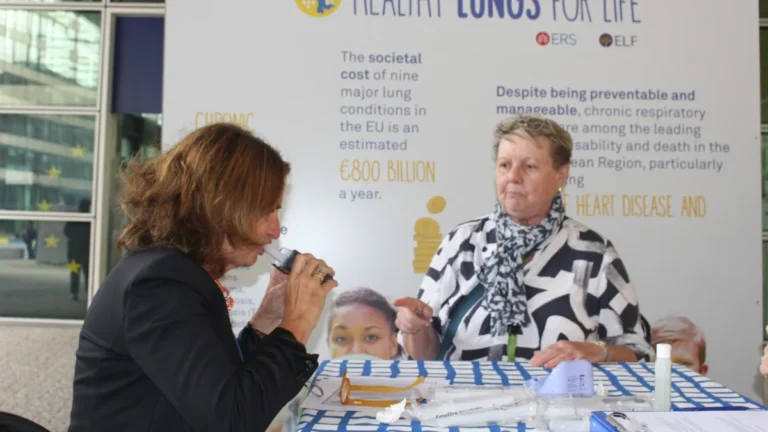
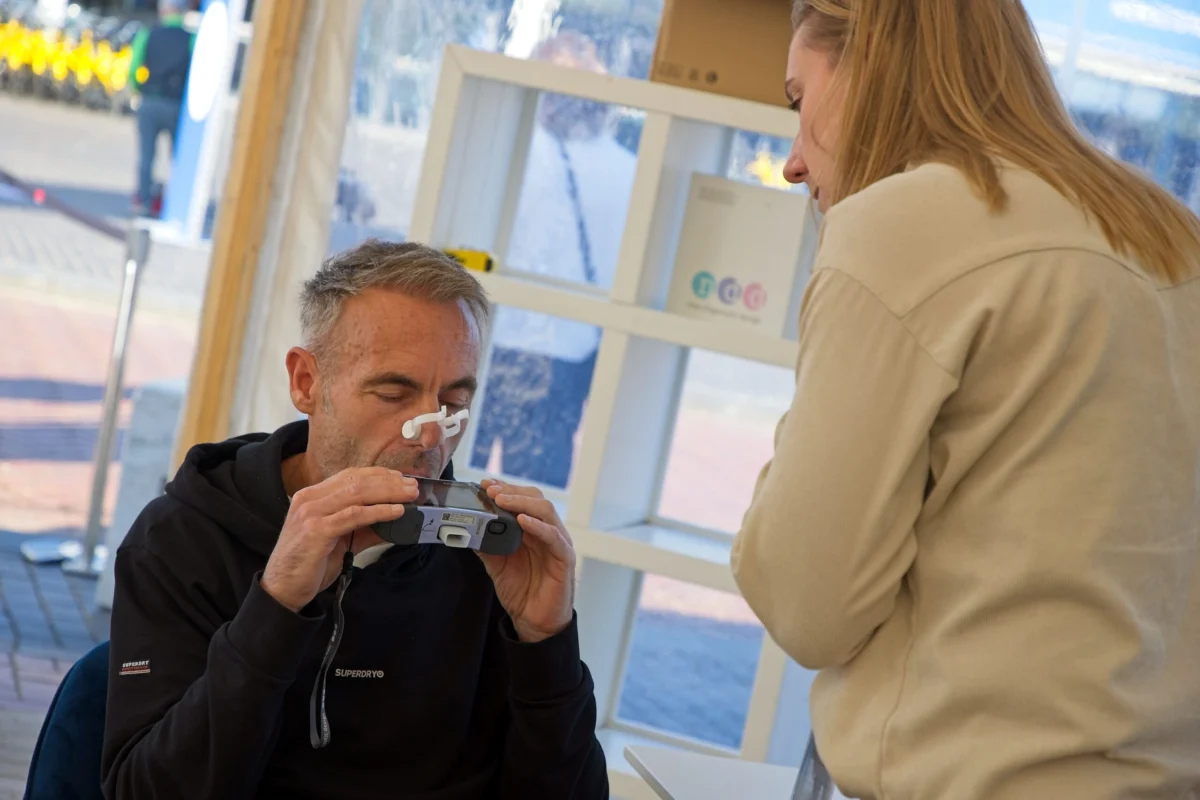
To participate, organizers must register their events through the official European Commission portal by the deadline of 20 September 2026. The ERS and ELF have provided a comprehensive "Healthy Lungs for Life" toolkit to assist organizations in scaling their activities, whether they are small-scale community breathing checks or large-scale regional lung function testing clinics.
Chronology: A Decade of Advocacy Leading to a New Milestone
The call to action in 2026 is not a sudden development but the culmination of over ten years of sustained advocacy and scientific research.
The Evolution of the "Healthy Lungs for Life" Campaign
- 2014–2016 (The Foundation): The Healthy Lungs for Life (HLfL) campaign was launched as an international awareness effort. It began by connecting researchers with the public to debunk myths regarding air quality and respiratory hygiene.
- 2017–2020 (Expansion): The campaign shifted from pure awareness to local, community-based interventions, establishing partnerships with city councils and local healthcare providers to host "testing days" in public squares and community centers.
- 2021–2024 (Policy Integration): As evidence of the link between respiratory disease and other chronic conditions grew, ERS and ELF intensified their lobbying efforts, focusing on the need for early screening to prevent the progression of diseases like COPD and pulmonary fibrosis.
- 2025 (Strategic Alignment): Following discussions with the European Commission regarding the new cardiovascular health plan, the ERS and ELF successfully advocated for the inclusion of respiratory health within the scope of upcoming screening initiatives.
- August 2026 (The Call to Action): The official announcement inviting the medical community to register for the first EU Screening Week.
- 28 September – 4 October 2026: The inaugural EU Screening Week.
Supporting Data: Why Respiratory Health is a Public Health Imperative
The push for mandatory or routine lung screening is supported by a growing body of clinical evidence. Respiratory diseases remain among the leading causes of morbidity and mortality in the EU.
The Interconnectedness of Systems
Medical literature consistently demonstrates that cardiovascular and respiratory health are deeply intertwined. Poor lung function is often an early indicator of cardiovascular strain. Chronic Obstructive Pulmonary Disease (COPD), for instance, significantly increases the risk of heart failure and stroke. By failing to treat respiratory health as a priority, healthcare systems miss a critical window for intervention that could prevent more costly, acute cardiovascular events.
The Economic Case for Early Detection
Healthcare spending in Europe is increasingly pressured by an aging population. Early detection via screening programs offers a high return on investment. According to various health economic studies cited by the ERS, the cost of implementing simple spirometry and breathing checks is a fraction of the long-term cost associated with hospitalizations for severe, late-stage respiratory failure.
Furthermore, the "Healthy Lungs for Life" model has proven that public outreach reduces the "symptom-to-diagnosis" gap. By educating citizens on the warning signs of lung disease, organizations can shorten the time it takes for patients to seek professional help, leading to better prognosis and improved quality of life.
Official Responses: A Turning Point for European Health
Prof. Raquel Duarte, the incoming ERS Director of Scientific Relations with the EU, has been a vocal proponent of this initiative. In a recent statement, she emphasized that the organization is at a critical juncture in its history.
"Prevention of respiratory diseases is at an extremely crucial moment," Prof. Duarte noted. "We are edging ever closer to ensuring that respiratory health checks form part of standardised health checks across Europe, but we need the help of our networks of professionals and patients to make it happen."
Prof. Duarte addressed the broader vision, stating, "Respiratory being included in the European Commission’s cardiovascular plan would be a gamechanger for respiratory health. The benefits to public health, and to national and regional economies, would be vast."
Her message to the clinical community is one of urgency: "Now is the time for us to all work together and truly demonstrate the importance of early detection… I encourage anyone who can to organize an event during the EU’s Screening Week—no matter how small or large. Each event will make a difference to local people and will contribute to our ultimate objectives."
Implications: Moving Beyond Awareness to Action
The significance of the 2026 EU Screening Week lies in its ambition to evolve from a "one-off" awareness event to a permanent fixture of European public health policy.
1. Standardization of Care
If the events during the week demonstrate sufficient public interest and clinical feasibility, the ERS and ELF hope to use the collected data to lobby for the inclusion of lung screening in national health guidelines. This would mean that, similar to blood pressure checks, lung function assessment would become a routine part of a citizen’s annual health check-up.
2. Empowering the Patient Network
By involving patient organizations directly, the initiative shifts the focus from a purely top-down medical approach to a patient-centered model. Patients become advocates, educating their own communities about the benefits of early screening. This grassroots engagement is essential for dismantling the stigma often associated with lung conditions, such as those caused by smoking or occupational exposure.
3. A Blueprint for Future Policy
The success of this initiative will likely serve as a blueprint for how other chronic disease associations interact with the European Commission. If the respiratory community can successfully integrate its goals into the cardiovascular plan, it creates a precedent for interdisciplinary collaboration that could revolutionize the treatment of comorbidities.
4. The Challenge of Sustainability
The primary challenge for the organizers is ensuring that the momentum generated in early October does not dissipate. The ERS and ELF are clear that this is a long-term project. The "Healthy Lungs for Life" toolkit is designed to provide sustainable, replicable strategies that can be used well beyond the conclusion of the Screening Week.
Conclusion: A Call to the Community
As 28 September approaches, the call to action remains clear: the opportunity to change the future of European respiratory health is in the hands of the practitioners and patients on the ground. Whether through hosting a screening clinic in a shopping center, organizing an educational workshop for local schools, or launching a digital information campaign, every action registered on the Commission’s platform serves as a data point in the larger argument for reform.
For those ready to contribute to this historic moment, the process is streamlined to encourage maximum participation. By downloading the event toolkit and registering before the 20 September deadline, respiratory professionals can ensure that their voices—and the health of their patients—are heard at the highest levels of European governance.
The EU Screening Week 2026 is more than just a date on a calendar; it is a strategic effort to ensure that the air Europeans breathe is matched by the quality of care they receive for the organs that process it. The path toward a healthier, more resilient Europe starts with a single breath—and a commitment to making sure that breath is monitored, understood, and protected.