










For millions of individuals living with obstructive sleep apnea (OSA), Continuous Positive Airway Pressure (CPAP) therapy serves as a life-altering medical intervention. Yet, the path to successful long-term adherence is frequently obstructed by a common, physical barrier: the standard bed pillow.
Standard pillows are designed for general comfort, but they often lack the geometry required to accommodate the bulky interface of a CPAP mask. When a patient shifts during the night, a standard pillow can push against the mask, leading to air leaks, uncomfortable facial pressure marks, and, in many cases, the abandonment of therapy altogether. To bridge this gap, manufacturers have developed CPAP-specific pillows—ergonomically engineered accessories designed to minimize equipment interference while maximizing sleep quality.
The Intersection of Comfort and Clinical Efficacy
Clinicians frequently observe that the primary reasons patients struggle with CPAP adherence include mask discomfort, claustrophobia, and the inability to find a sustainable sleeping position. Because a CPAP mask creates a physical protrusion from the face, any contact with a standard pillow can break the seal of the cushion.
"When a mask shifts due to pillow contact, the pressure drops, air escapes, and the machine may register a leak," notes one sleep specialist. "This not only reduces the effectiveness of the therapy but also creates a hissing sound that can wake the patient or their bed partner, further fragmenting sleep."

CPAP-specific pillows address these issues through several design innovations:
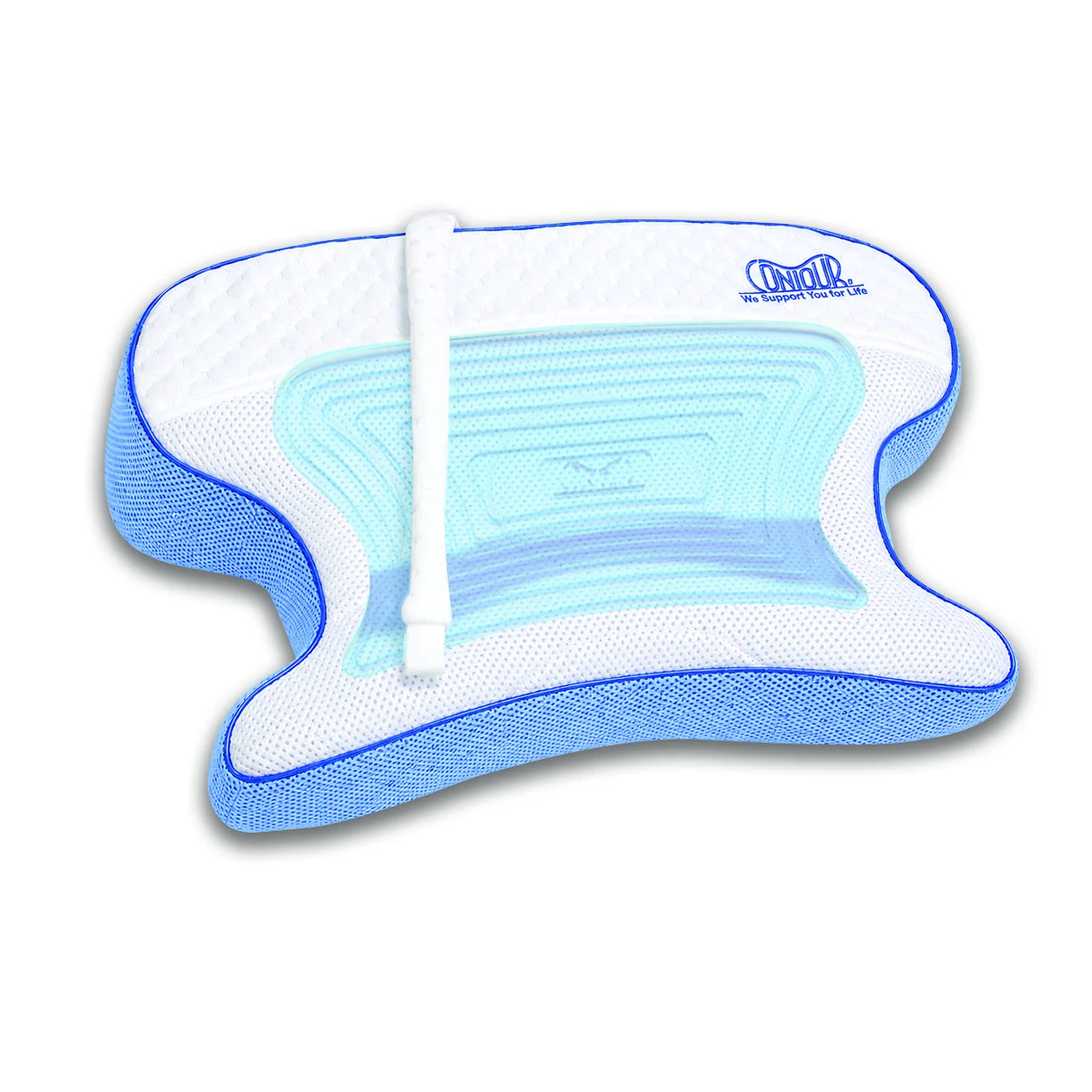
- Contoured Cutouts: Strategic indentations on the sides of the pillow allow the mask and tubing to sit in "dead space," preventing the pillow from exerting pressure on the mask frame.
- Adjustable Loft: Many models allow users to add or remove foam layers, ensuring the head remains in a neutral, aligned position regardless of the mask type.
- Specialized Materials: High-resilience memory foam and cooling gel layers are frequently utilized to mitigate the heat generated by the proximity of the mask and the CPAP tubing.
A Chronology of Innovation in Sleep Therapy Accessories
The evolution of the CPAP pillow reflects the broader maturation of the sleep medicine industry. In the early days of CPAP therapy, patients were often left to "hack" their own sleep environment, using rolled-up towels or specialized positioning pillows not intended for medical devices.
As the medical community began to prioritize patient-centered outcomes in the early 2000s, the focus shifted from merely delivering pressurized air to ensuring the patient’s overall comfort during the night. By 2010, the market saw a surge in proprietary designs. Manufacturers began collaborating with sleep technologists to create shapes that accounted for the varied "mask zones" of nasal pillows, nasal masks, and full-face masks.
The most recent innovation cycle, represented by the 2026 market landscape, emphasizes portability and advanced materials. Today’s pillows are no longer just "blocks of foam"; they are integrated systems featuring charcoal-infused materials for odor control, cooling nylon-spandex blends to prevent sweating, and collapsible designs for the mobile CPAP user who refuses to compromise on sleep quality while traveling.

Comparative Analysis: Top Market Contenders
To assist clinicians and patients in selecting the right tool for their needs, Sleep Review has compiled a comparative analysis of leading industry offerings as of May 2026.
1. Contour Products: The CPAPMax, CoolPAP, and CPAP CoolFlex
Contour Products dominates this sector by offering a tiered approach to comfort.
- The CPAPMax is the flagship, highly customizable model. It features three layers of foam (memory, high-resilience, and charcoal-infused) and allows users to modify both height and firmness. It is specifically designed for those who experience chronic pressure points.
- The CoolPAP is targeted at the frequent traveler. Its ability to roll into a compression pack makes it a logistical solution for patients who struggle to maintain seal integrity in hotel beds.
- The CPAP CoolFlex offers the most advanced positioning, with a flexible neck support system that adapts to the user’s movement throughout the night.
2. Core Products: The Core CPAP Pillow
The Core CPAP Pillow is notable for its versatility. While it excels at preventing mask leaks, its design—which features a distinct edge—is also favored by patients with comorbid conditions such as fibromyalgia or those who are pregnant. Because it allows the hose to hang freely over the side of the pillow, it eliminates the "tugging" sensation that often causes patients to wake up in a panic.
3. Dr. Kakar Products: The Kakar Pillow
Developed by Dr. Raj Kakar, this pillow is an exercise in ergonomic simplicity. With a focus on high-density memory foam, it provides a stable platform for side and back sleepers. Its primary strength lies in its side cutouts, which are calibrated to provide enough clearance for almost any mask style on the market.

Data Specification Table: Key Features at a Glance
| Feature | Contour CPAPMax | CoolPAP | CPAP CoolFlex | Core CPAP Pillow | The Kakar Pillow |
|---|---|---|---|---|---|
| Primary Material | 3-Layer Foam | Memory/Cooling | Memory/Cooling | Cotton/Poly Fill | Memory Foam |
| Weight (lbs) | 3.19 | 3.0 | 3.85 | 1.32 | 0.25 |
| Adjustability | Height/Firmness | Travel-Ready | Flexible Neck | N/A | N/A |
| Washability | Cover Only | Cover Only | Cover Only | Hand Wash | Cover Only |
Implications for Patient Compliance and Long-Term Health
The clinical implications of using a CPAP-specific pillow extend far beyond mere comfort. In the world of sleep medicine, the "adherence gap"—the period during the first 90 days of therapy when patients are most likely to quit—is the greatest hurdle for providers.
When a patient experiences "mask rainout" or chronic facial sores from over-tightening their headgear (often done to compensate for leaks caused by standard pillows), they are significantly more likely to discontinue therapy. Conversely, the use of a CPAP-friendly pillow acts as a "safety net." By stabilizing the mask and reducing the need for aggressive headgear tension, these pillows facilitate a more natural sleep architecture.
Furthermore, proper neck alignment provided by these pillows can alleviate secondary issues such as tension headaches and cervical strain. For the patient, this means the CPAP machine becomes a tool for rejuvenation rather than a source of nightly frustration.
Official Responses and Industry Standards
Marketers of CPAP-specific pillows emphasize that these products are not merely "luxury items" but essential components of a successful Durable Medical Equipment (DME) strategy. While these pillows are available via direct-to-consumer online channels, they are increasingly being integrated into the supply chains of home health agencies.

"We have seen a shift in how these products are viewed," says a representative from a leading manufacturer. "It is no longer about just keeping the mask on the face. It is about total sleep integration—cooling, comfort, and position support."
It is important to note that Sleep Review acts as an independent auditor of these technologies. While the data provided reflects the current specifications reported by the manufacturers, patients are encouraged to consult with their sleep physicians to determine if a specific pillow design aligns with their prescribed mask type and sleeping posture.
Future Outlook: Beyond the Pillow
As we look toward the future of sleep therapy, the integration of smart textiles and sensor-based technology into these pillows is the next logical step. Researchers are currently exploring pillows that can monitor head position and provide feedback to the CPAP device to adjust pressure settings in real-time.
For now, the current generation of CPAP pillows remains the most accessible, cost-effective, and impactful solution for the millions of people who rely on CPAP therapy to breathe—and live—better. By choosing a pillow that respects the geometry of their medical device, patients can finally reclaim the restorative sleep that OSA has historically stolen from them.

Disclaimer: This guide is based on information provided by participating manufacturers as of May 2026. While all efforts have been made to ensure accuracy, clinical outcomes may vary. Consult with your healthcare provider or a certified sleep technologist before changing your sleep setup.