











By [Your Name/Journalistic Staff]
In the vast landscape of ancient Indian wisdom, few texts possess the clinical precision and enduring relevance of the Yoga Sutras of Patanjali. Composed approximately 250 BCE, this foundational Sanskrit treatise serves as more than a philosophical roadmap; it is a practical manual for the human psyche. By bridging the gap between ancient metaphysics and the modern necessity for mental hygiene, Patanjali’s work offers a sophisticated framework for understanding the nature of consciousness, the mechanics of the mind, and the transformative power of "witness consciousness."
The Historical and Philosophical Foundation
The Yoga Sutras are rooted in the Sankhya school of philosophy, an analytical system that categorizes the reality of human existence into two primary components: Purusha (pure, unmoving consciousness) and Prakriti (the ever-changing, material world).
Patanjali’s genius lay in his ability to codify these abstract principles into concise, aphoristic statements known as sutras. Unlike many spiritual texts that rely on metaphor or myth, the Yoga Sutras are strikingly scientific. They provide clearly defined terminology and a progressive, structured methodology for achieving a state of mental equilibrium. For the modern practitioner, particularly those engaged in Ayurveda, this text is not merely a relic of history but a living toolkit for navigating the complexities of modern life.
Chronology of Consciousness: Defining the Vrtti
At the heart of Patanjali’s teachings is the second sutra of the first chapter: Yogas citta vrtti nirodhah. This core tenet translates to the idea that "Yoga is the cessation of the fluctuations of the mind."
To understand this, one must first recognize the nature of the citta—the "mind-stuff." In the yogic paradigm, the mind is never truly at rest. It is constantly engaged in vrtti, or mental activity. These fluctuations manifest as thoughts, memories, sensory perceptions, and emotional responses. Whether we are awake or dreaming, the mind generates a continuous stream of energy that shapes our behaviors and dictates our life choices.
The challenge, as identified by practitioners like the esteemed Dr. Vasant Lad, is that most individuals are entirely identified with these fluctuations. We become our anger, our joy, or our anxieties. We react to stimuli without discernment, leading to repetitive, unhelpful patterns that, in an Ayurvedic context, often result in physical and emotional disharmony.
The Mechanics of Witness Consciousness
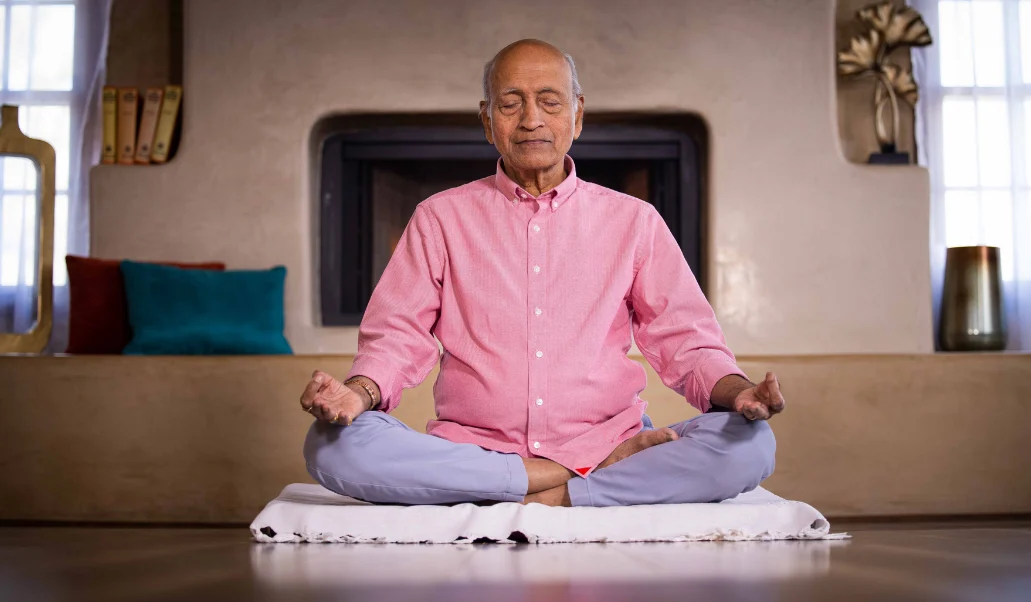
The transition from reactive living to intentional living begins with the practice of "Witness Consciousness." Patanjali describes the Purusha as the drashtuh—the silent observer. When an individual learns to observe the mind’s activity without judgment, label, or emotional attachment, they move toward their true nature (svarupa).
The Clinical Application of Witnessing
The practical implications of this shift are profound. In daily life, the person who cultivates witness consciousness gains a significant competitive advantage: freedom. While the reactive person is tossed about by emotional triggers, the witness maintains a "bird’s-eye view."
For instance, consider the onset of a physical ailment. An unobservant person might ignore the subtle, early-stage symptoms of a doshic imbalance—such as a slight increase in coldness or dryness in the body—until it manifests as chronic illness. Conversely, the practitioner of witness consciousness notices these subtle signs early. By identifying the shift in quality, they gain the "freedom" to take corrective action—such as adjusting their diet or lifestyle—before the imbalance requires intensive, complex medical intervention.
Supporting Data: The Cost of Unawareness
The correlation between mental awareness and physical health is supported by the insights of the ancient physician Charaka. He likened the unwise person to an incompetent king who ignores the encroaching enemy at his borders. By the time the enemy (the disease) has breached the gates, the effort required to repel it is immense.
In modern terms, this reflects the "cost" of stress and emotional reactivity. When we fail to witness our mental states, we allow negative thought loops to solidify into habits. These habits influence our lifestyle choices—diet, sleep, and relationships—which eventually degrade our biological equilibrium. The Yoga Sutras suggest that the most sustainable form of health care is preventative awareness. By curbing the vrtti before they escalate into chaotic behaviors, we conserve our vital energy and maintain the integrity of our physical and mental systems.
Implications: Bridging Spirit and Materialism
One of the most persistent tensions in human experience is the struggle between our spiritual aspirations and our material needs. The Sufi metaphor of the "camel tied to a fish" perfectly captures this: we are bound to a body that demands the "water" of sensory pleasure, while our spirit seeks the "desert" of silent, transcendent stillness.
Patanjali’s work does not suggest that we must abandon the material world to achieve Yoga. Instead, it provides a method for discernment (viveka). Through the rigorous practice of witnessing, we learn to distinguish between what serves our growth and what detracts from it.
Addressing the Dualistic Dilemma
While some later schools of thought, such as Advaita Vedanta, argue for an ultimate unity between spirit and matter, the Sankhya-Yoga paradigm remains an invaluable diagnostic tool. By maintaining a distinction between the "observer" and the "observed," the student is able to navigate daily tasks without losing sight of their deeper purpose.
When we feel the tension between our obligations and our need for peace, the Yoga Sutras act as an anchor. They remind us that the "Self" is not the activity of the mind; it is the space in which that activity occurs. This realization is the ultimate tool for stress management. Whether facing a difficult professional challenge or a personal conflict, the ability to step back into the role of the witness allows for an "insightful response" rather than a "conditioned reaction."
Conclusion: The Path Forward
The Yoga Sutras of Patanjali offer a blueprint for a life of profound clarity. By treating these sutras as a practical manual for daily navigation, the modern practitioner can transform their experience of life.
The journey from being a slave to one’s mental fluctuations to becoming the master of one’s awareness is not a one-time event; it is a discipline. It requires the constant, quiet labor of watching the mind—not to suppress it, but to understand its patterns so that we may no longer be deceived by them.
As we move forward, the focus must remain on cultivating that subtle discernment. By identifying those elements in our environment and our internal life that foster silence, and by distancing ourselves from those that foster turbulence, we align ourselves with the stillness of the Purusha. In doing so, we do more than just practice yoga; we embody it. We create a life defined not by the chaotic movements of the world around us, but by the steady, unshakeable center within.
For the Ayurvedic practitioner and the truth-seeker alike, the message of Patanjali remains timeless: the greatest freedom is found in the ability to watch, to witness, and to remain unmoved in the center of the storm. As we continue to explore the nuances of Purusha and Prakriti, we invite readers to treat every interaction—no matter how small—as an opportunity to practice this sacred art of observation.