










The silent accumulation of fat within skeletal muscle—a condition known as myosteatosis—has emerged as a formidable adversary in the landscape of modern metabolic health. While the dangers of visceral fat surrounding our organs are well-documented, the subtle buildup of lipid droplets within muscle cells remains a burgeoning crisis. Driven by the "triad" of modern sedentary living: high-fat diets, physical inactivity, and the inevitable progression of aging, this intracellular fat infiltration disrupts the very machinery of human movement and metabolism.
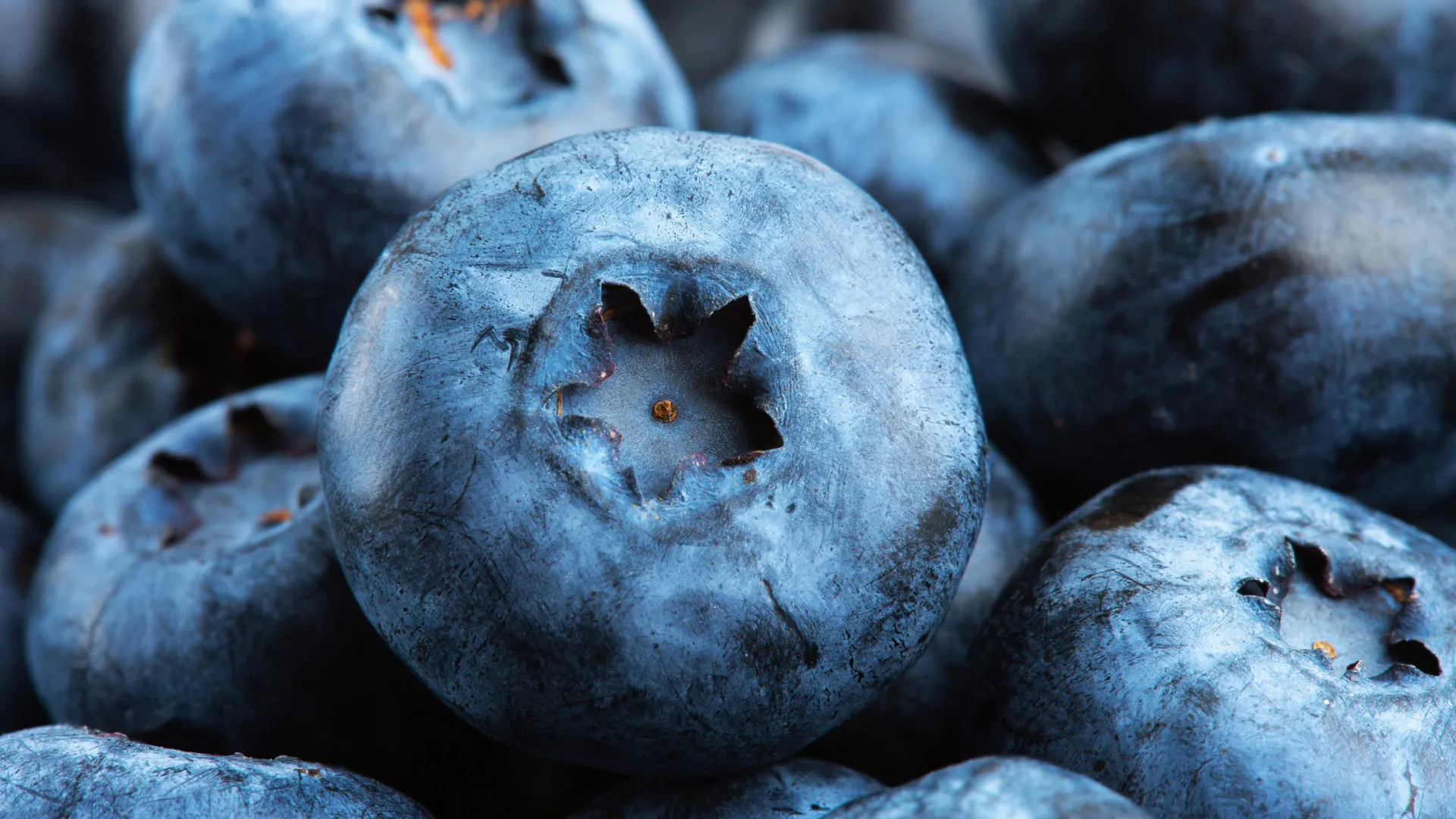
Now, a team of researchers at Shinshu University, led by Associate Professor Takakazu Mitani, has uncovered a potential natural ally in the fight against this metabolic stagnation. Their research, published in the September 1, 2026, issue of Food Bioscience, identifies pterostilbene—a potent polyphenol found in blueberries and grapes—as a key regulator that may stabilize the body’s fat-burning mechanisms at the molecular level.
The Metabolic Burden of Muscle Fat
To understand the significance of this discovery, one must first recognize why muscle fat is so detrimental. Unlike subcutaneous fat, which acts as a relatively inert energy reservoir under the skin, lipid droplets accumulating within skeletal muscle cells actively interfere with cellular function.
These droplets act as "metabolic grit," impeding the muscle’s ability to process glucose and fatty acids efficiently. Over time, this loss of "metabolic flexibility"—the body’s ability to switch between fuel sources—leads to systemic insulin resistance, a precursor to type 2 diabetes and a myriad of age-related metabolic disorders.
"We currently lack approved, targeted treatments for myosteatosis," explains Dr. Mitani. "The clinical gap between recognizing the danger of muscle fat and having a non-invasive, dietary way to address it is where our research began."
Chronology of Discovery: From Screening to Molecular Mechanism
The path to identifying pterostilbene was a rigorous, multi-stage process of elimination and verification.
Phase I: The Phytochemical Screen
The research team initiated the project by curating a library of food-derived phytochemicals. Using cultured C2C12 mouse skeletal muscle cells, they sought compounds capable of performing a delicate balancing act: reducing lipid accumulation without hindering the essential processes of muscle cell growth and differentiation.
Among the diverse collection of natural compounds tested, pterostilbene stood out as the clear candidate. It demonstrated the most robust ability to clear intracellular lipids while allowing the muscle cells to remain healthy, active, and fully functional.
Phase II: Decoding the "How"
Having identified the compound, the team turned to the mechanism. Initial hypotheses suggested that pterostilbene might simply block fatty acids from entering the cells. However, laboratory data told a different story. Treated cells showed a significant increase in the release of glycerol—a byproduct of lipid breakdown—into the extracellular environment. This was the first smoking gun: pterostilbene wasn’t just preventing fat entry; it was actively stimulating the combustion of existing fat stores.
Phase III: The PPARδ Connection
The final piece of the puzzle lay in the peroxisome proliferator-activated receptor δ (PPARδ). This protein is a master switch for fatty acid oxidation. The researchers found that pterostilbene significantly bolstered PPARδ signaling, effectively "turning up the heat" on fat metabolism within the muscle.
Supporting Data: An Unexpected Molecular Strategy
What surprised the research team most was not that pterostilbene increased PPARδ activity, but how it achieved that increase.
In the world of pharmacology, most compounds designed to interact with receptors like PPARδ act as "agonists"—they bind directly to the receptor to "switch it on." Pterostilbene, however, took a more elegant, indirect route.
The researchers discovered that the compound acts as a stabilizing agent for the PPARδ protein itself. Normally, the cell’s internal recycling system—the ubiquitin-proteasome pathway—marks and degrades excess or older proteins. Pterostilbene appears to inhibit this degradation pathway specifically for PPARδ. By shielding the protein from being broken down, the cell maintains a higher concentration of active PPARδ. This results in a sustained, long-term increase in the expression of genes responsible for burning fatty acids.
This "stabilization" strategy is highly significant. Because it works by preserving the body’s own naturally produced proteins rather than flooding the system with an artificial agonist, it may offer a more nuanced and potentially safer approach to metabolic regulation.
Official Perspectives and Expert Insight
Dr. Takakazu Mitani views this discovery as a foundational shift in how we approach functional nutrition.
"Our findings establish a scientific framework for developing functional foods and nutritional supplements that target muscle fat metabolism," Dr. Mitani stated. "The beauty of this mechanism is that it doesn’t just address the symptom—the fat—it reinforces the system’s natural ability to manage energy."
However, the team maintains a high degree of professional caution. While the molecular results are striking, the leap from a petri dish of mouse cells to a human clinical recommendation is significant. The research is currently categorized as "proof-of-concept."
"We are providing a framework for identifying other natural compounds that operate via this stabilization mechanism," says Dr. Mitani. "This is not just about pterostilbene; it’s about opening a new door to how we categorize dietary bioactives for metabolic therapy."
Implications for Future Health Strategies
The global rise in metabolic diseases—obesity, type 2 diabetes, and age-related muscle decline—has reached a point where traditional pharmacological interventions are struggling to keep pace. The potential for a dietary intervention, such as a pterostilbene-enriched functional food, offers several strategic advantages:
- Preventative Potential: Unlike aggressive pharmaceuticals, dietary bioactives are often better suited for long-term, preventative use, which is critical for age-related metabolic decline.
- Synergistic Effects: By focusing on the body’s natural metabolic machinery (PPARδ), such compounds could potentially be used alongside existing therapies to improve overall efficacy.
- Broad-Spectrum Metabolic Health: Because pterostilbene has already shown promise in the liver and adipose tissue in previous studies, its newfound effectiveness in skeletal muscle suggests it could act as a systemic regulator of metabolic health.
The Road Ahead: Challenges and Next Steps
Despite the excitement surrounding these findings, the scientific community emphasizes the need for a cautious transition to in vivo studies. Before pterostilbene can be marketed as a targeted treatment, future research must address:
- Bioavailability: How much of the compound actually reaches the skeletal muscle after being ingested and processed by the digestive system?
- Dosage and Safety: What are the therapeutic windows for humans, and are there long-term side effects to modulating the ubiquitin-proteasome pathway?
- Human Clinical Trials: Do these effects on mouse muscle cells manifest in the complex, multi-organ environment of a human body?
For now, the research serves as a beacon for the food and healthcare industries. As the population continues to age and the prevalence of sedentary-linked disease grows, the search for natural, evidence-based interventions has never been more urgent. The work of Dr. Mitani and his team at Shinshu University provides a clear, scientifically rigorous roadmap for future exploration into how the humble berry might help us reclaim our metabolic health from the inside out.
As we await further clinical data, one thing is certain: the molecular mechanism of PPARδ stabilization has opened a promising new chapter in nutritional science, turning the spotlight firmly onto the potential of the natural world to heal the metabolic damage wrought by the modern lifestyle.