




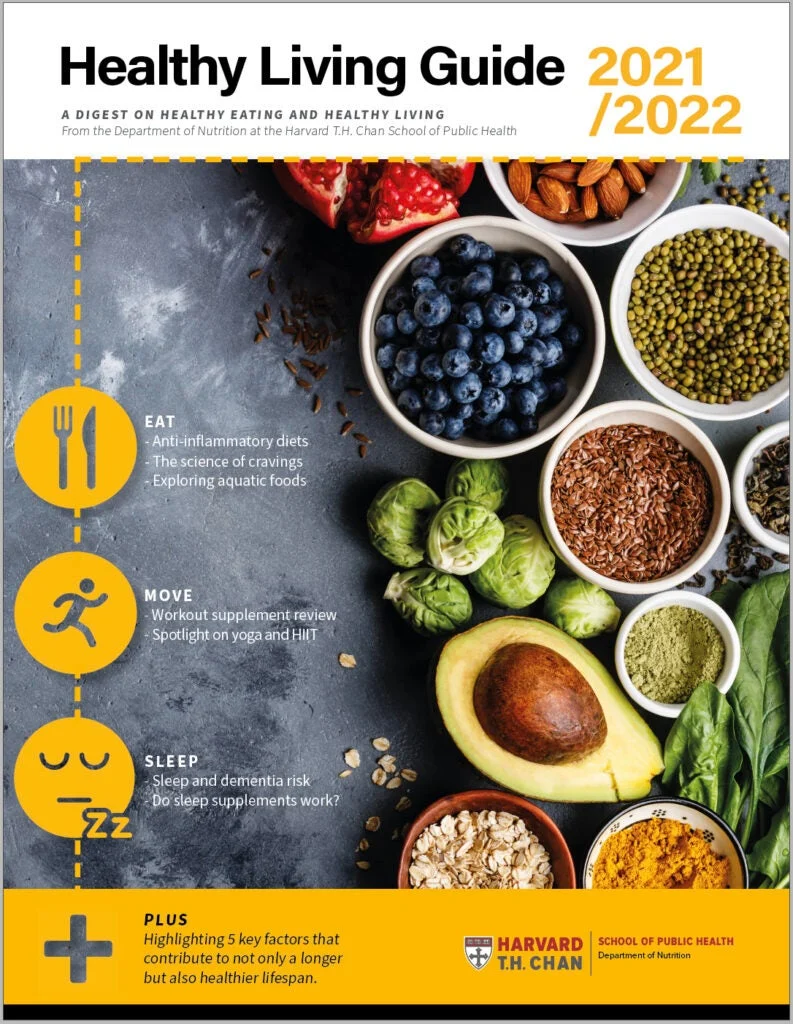
As we move further away from the initial shock of the 2020 global lockdowns, the landscape of personal health and nutrition has entered a transitional phase. The year 2021 served as a societal laboratory, forcing individuals to recalibrate their habits as they navigated a return to pre-pandemic routines while grappling with the lingering psychological and physical effects of a world still impacted by COVID-19. To support the public in this ongoing adjustment, the Harvard T.H. Chan School of Public Health has released its latest Healthy Living Guide, a resource designed to translate complex nutritional science into actionable, daily lifestyle habits.
Main Facts: The Shift in Consumer Behavior
The "new normal" is not a static state; it is a fluid adaptation. Data derived from the 2021 International Food Information Council (IFIC) survey reveals a fascinating retreat from the coping mechanisms adopted during the height of the 2020 lockdowns.
During the initial pandemic surge, millions of households turned to "stress eating" and frequent snacking as a primary means of managing anxiety. By 2021, however, the frequency of these behaviors plummeted. The number of Americans reporting that they were "snacking more" dropped from 32% in 2020 to 18% in 2021. Similarly, reports of "eating more in general" fell from 20% to 11%.
While these metrics suggest a return to baseline, they also highlight a decline in domestic culinary engagement. In 2020, the forced closure of restaurants and social distancing mandates pushed 60% of consumers to cook at home more frequently. By 2021, that number had dipped to 47%. This decline is significant, as home cooking is widely recognized by nutritionists as one of the most effective ways to control caloric intake, manage sodium levels, and ensure the consumption of whole, nutrient-dense foods.
Chronology: From Lockdown to Long-Term Adaptation
To understand where we are, we must look at the timeline of the last two years:
- Early 2020: The "Initial Shock." Global lockdowns lead to a spike in pantry stocking, processed food consumption, and a sudden reliance on sedentary indoor hobbies. The focus was on immediate survival and food security.
- Late 2020: The "Adaptation Phase." As the pandemic persisted, individuals began creating "new routines." This included a surge in home cooking, interest in sourdough baking, and a temporary increase in home-based exercise routines.
- 2021: The "Transition Period." The rollout of vaccines and the partial reopening of society led to a "pendulum swing." Many individuals began shedding the habits of 2020, though some, such as remote work, became entrenched.
- 2022 and Beyond: The "Integration Phase." As identified by the Harvard Healthy Living Guide, the goal is now to integrate the best of both worlds: the convenience of modern life with the deliberate nutritional choices that were rediscovered during the lockdown era.
Supporting Data: Disparities in Nutrition and Security
While the aggregate data paints a picture of shifting trends, it is essential to acknowledge the profound disparities that define these statistics. The pandemic did not affect all demographics equally. Data from 2021 highlighted a persistent and alarming gap in food security. While some affluent households were able to focus on "healthy living," low-income families faced compounding crises: economic instability, limited access to fresh produce, and the erosion of school-based meal programs.
The Harvard Healthy Living Guide emphasizes that "healthy living" is not merely a matter of personal choice; it is deeply tied to systemic access. The guide serves as a bridge, offering strategies for those with varying levels of access to resources, focusing on affordable, shelf-stable, and nutrient-dense options.
Official Responses and Public Health Implications
Public health experts at Harvard and beyond maintain that the lessons of the pandemic must not be forgotten as we "return to normal." The emergence of new COVID-19 variants serves as a sobering reminder that the health of the individual is inextricably linked to global public health.
"The pandemic is not over until it is over everywhere," note health officials, pointing to the critical, ongoing need for global vaccine equity, particularly in low- and lower-middle-income countries. Within the United States, the focus has shifted toward the long-term management of lifestyle-related diseases, which the pandemic proved are major risk factors for severe viral complications.
The Harvard guide serves as an official call to action, encouraging the public to prioritize:
- Sustainable Nutrition: Moving away from "fad" dieting and toward a plant-forward, whole-food-based plate.
- Activity Integration: Replacing the "all or nothing" gym mentality with consistent, daily movement, such as walking, which has been shown to have massive cardiovascular and mental health benefits.
- Sleep Hygiene: Acknowledging that the stress of the pandemic has caused a global sleep crisis, which in turn fuels poor nutritional choices.
The Path Forward: Insights from the 2022 Guide
The latest Healthy Living Guide is more than a list of "do’s and don’ts." It is a comprehensive curriculum designed to help readers navigate the complexities of modern nutrition.
Core Themes for 2022
- Evidence-Based Nutrition: The guide dissects popular trends, separating scientific consensus from social media hype. It reinforces the importance of fiber, healthy fats, and the reduction of ultra-processed foods.
- Mental and Physical Synergy: The publication emphasizes the bidirectional relationship between diet and mental health. A healthy gut microbiome, supported by a diverse intake of plants, is increasingly linked to improved mood and stress regulation.
- Sleep as a Pillar: By dedicating significant space to sleep health, the guide addresses the "hidden" component of obesity and metabolic disease.
The Role of Printable Resources
Recognizing that many individuals suffer from "screen fatigue," the guide provides printable tip sheets. These resources allow families to post reminders on their refrigerators or create meal-planning templates, moving health goals from the digital space into the physical kitchen environment.
Conclusion: A Proactive Approach to 2022
The trajectory of the last two years has shown that human beings are remarkably resilient and capable of rapid change. However, change is only beneficial if it is sustainable. As we navigate the "twists and turns" of the ongoing pandemic, the Harvard Healthy Living Guide provides the necessary framework to turn these lessons into a permanent, health-promoting lifestyle.
We are at a crossroads. We can either revert to the pre-pandemic habits that contributed to rising rates of chronic disease, or we can use the knowledge gained during this time to forge a healthier, more resilient future. By focusing on the core pillars of eating well, staying active, and prioritizing restorative sleep, every individual has the power to improve their health span.
For those ready to take the next step, the full 2022 Healthy Living Guide is available for download. It is accompanied by a suite of online articles and interactive tools, including a knowledge quiz designed to help readers assess their current understanding of nutrition science.
As we look toward the year ahead, let us approach our health not as a series of temporary mandates, but as a commitment to the long-term vitality of ourselves and our communities.
Resources for Further Learning:
- Download the full printable Healthy Living Guide (PDF) via the Harvard T.H. Chan School of Public Health.
- Access the archives of the 2021 guide for foundational nutritional principles.
- Engage with the "Healthy Living Knowledge" quiz to track your progress.
Disclaimer: This information is provided for educational purposes and is based on research provided by the Harvard T.H. Chan School of Public Health. Always consult with a primary care physician before making significant changes to your diet or exercise routine.