









The landscape of respiratory health is shifting rapidly as patient advocacy groups across the globe take center stage in the fight for earlier diagnosis, enhanced patient support, and systemic healthcare reform. As of April 2026, a diverse array of organisations—from Colombia to Finland—are deploying innovative strategies to address unmet needs in lung health. This comprehensive report explores the latest activities, educational campaigns, and policy advancements that are currently shaping the patient experience for those living with chronic respiratory conditions.
Main Facts: The Pulse of Global Respiratory Advocacy
In April 2026, the respiratory community has witnessed a surge in proactive outreach. The primary drivers of this movement include a focus on "hidden" conditions—such as sleep apnoea and Alpha-1 antitrypsin deficiency—and a push toward integrated care models.
Key developments this month highlight a shift from passive support to active, data-driven advocacy. Organisations are no longer merely offering support groups; they are becoming conduits for medical research, public policy influence, and clinical education. By leveraging digital platforms and face-to-face national conferences, these groups are closing the gap between the patient’s lived experience and the clinical standards maintained by healthcare institutions.
Chronology of Key Events and Campaigns
The following timeline captures the pivotal milestones reached by patient organisations throughout April 2026:
- Early April: The Polish Federation of Asthma, Allergies and COPD Patients’ Associations unveiled their landmark report, "My Life with COPD," at the Patients’ Organization Forum in Warsaw, setting a new benchmark for qualitative research in respiratory health.
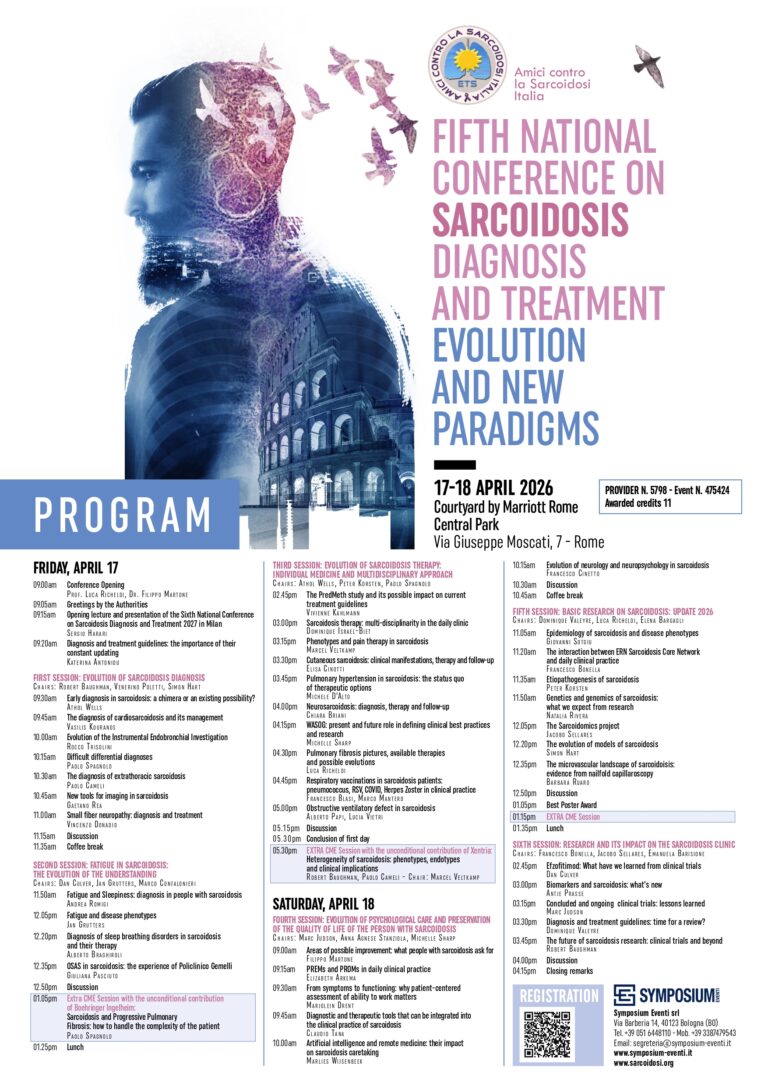
- April 17–18: Amici Contro la Sarcoidosi Italia (ACSI) hosted its 5th National Conference on the Diagnosis and Treatment of Sarcoidosis in Rome, providing a critical platform for interdisciplinary discourse.
- Ongoing (March–April): The Health from Nature programme in Finland, supported by Hengitysliitto, began integrating environmental wellbeing into the social care sector.
- April 2026 (General): The launch of “The Missing Piece” campaign by the Alpha-1 Europe Alliance and the Maternal RSV initiative by Respiriamo Insieme represent a concentrated effort to standardize awareness across the European continent.
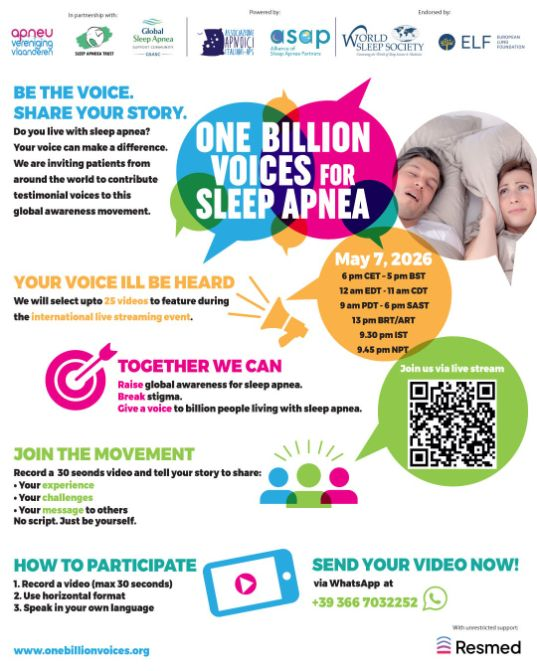
- Upcoming May 7, 2026: The global "One Billion Voices for Sleep Apnea" live streaming event is slated to unite patients and clinicians worldwide to combat the pervasive stigma surrounding sleep disorders.
Supporting Data and Evidence-Based Initiatives
The efficacy of these current campaigns is underscored by a commitment to data collection and the identification of systemic failures in current healthcare delivery.
The Real-World Data Approach
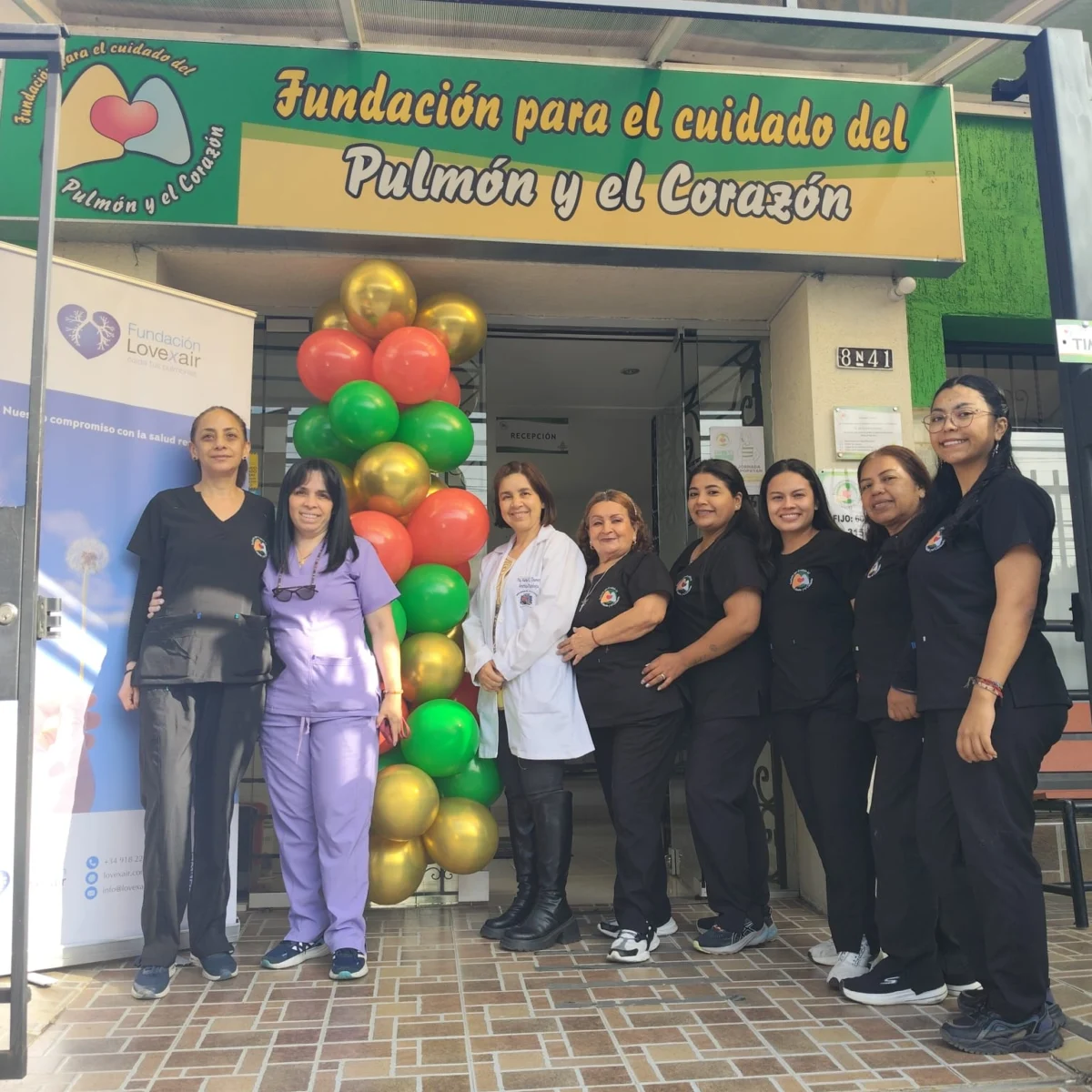
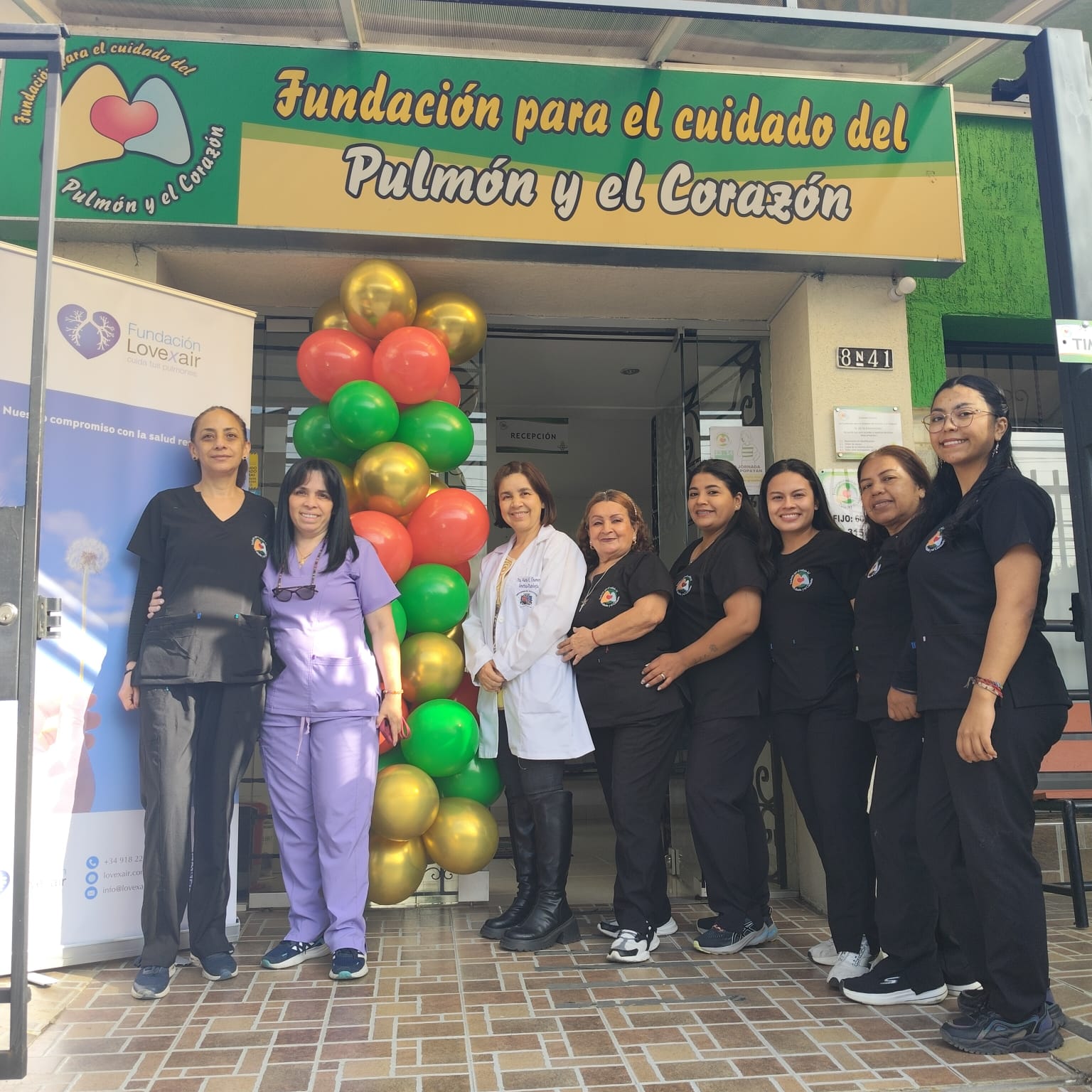
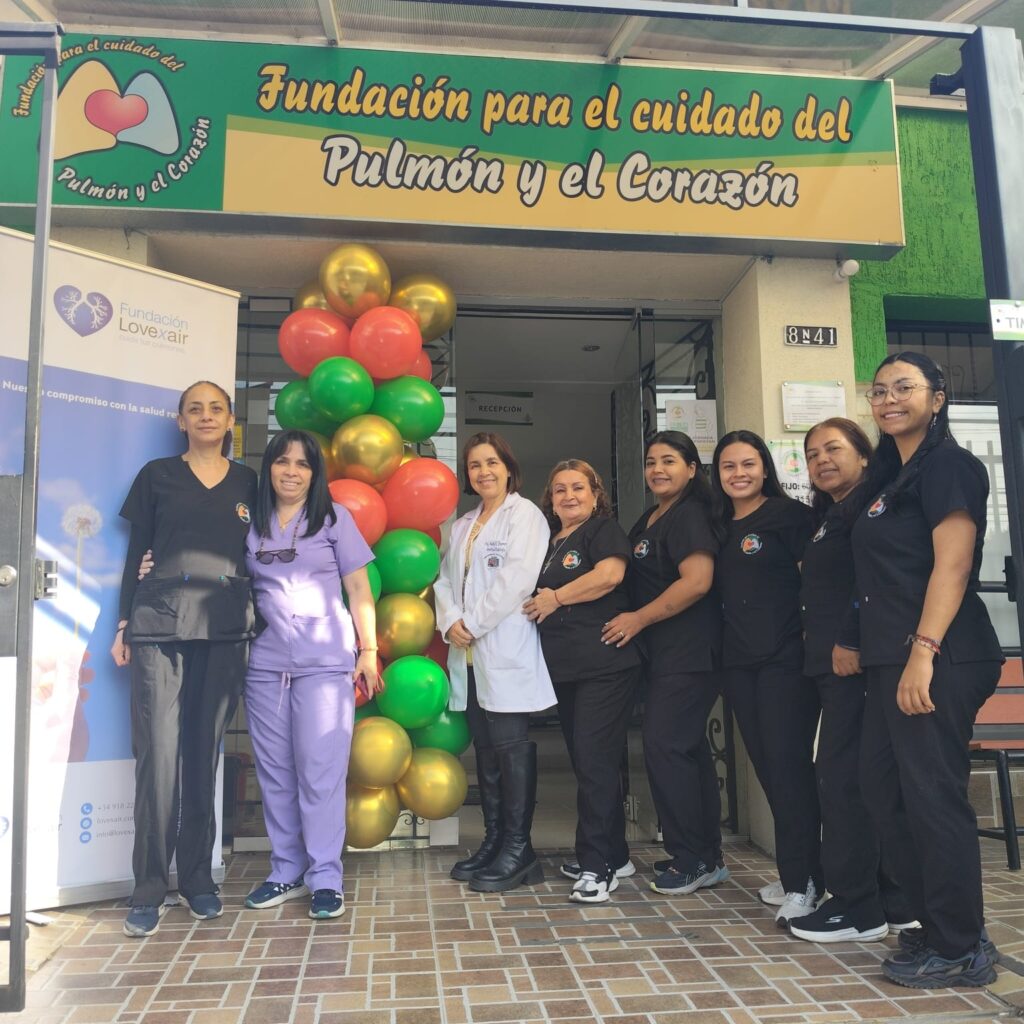
In Colombia, the Lovexair Foundation, in partnership with the Pulmonary and Heart Foundation, has implemented a national asthma initiative that serves as a model for data-driven care. By screening over 200 participants across multiple cities, the project did more than just provide education; it identified a significant population with undiagnosed airway obstructions. This "real-world data" is currently being synthesized to inform future public health strategies, proving that patient organisations can effectively act as field researchers.
Bridging the Knowledge Gap
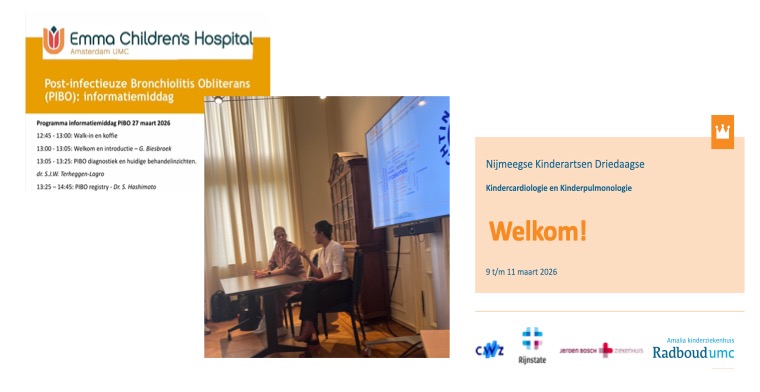
In the Netherlands, the Dutch PIBO Foundation has focused on the clinical knowledge gap. Their educational programme on Post-Infectious Bronchiolitis Obliterans (PIBO) targets the very source of misdiagnosis: the medical specialist. By hosting training sessions at Amsterdam UMC and in Nijmegen, the Foundation ensures that clinicians are as informed as the patients they treat.
Professional Empowerment
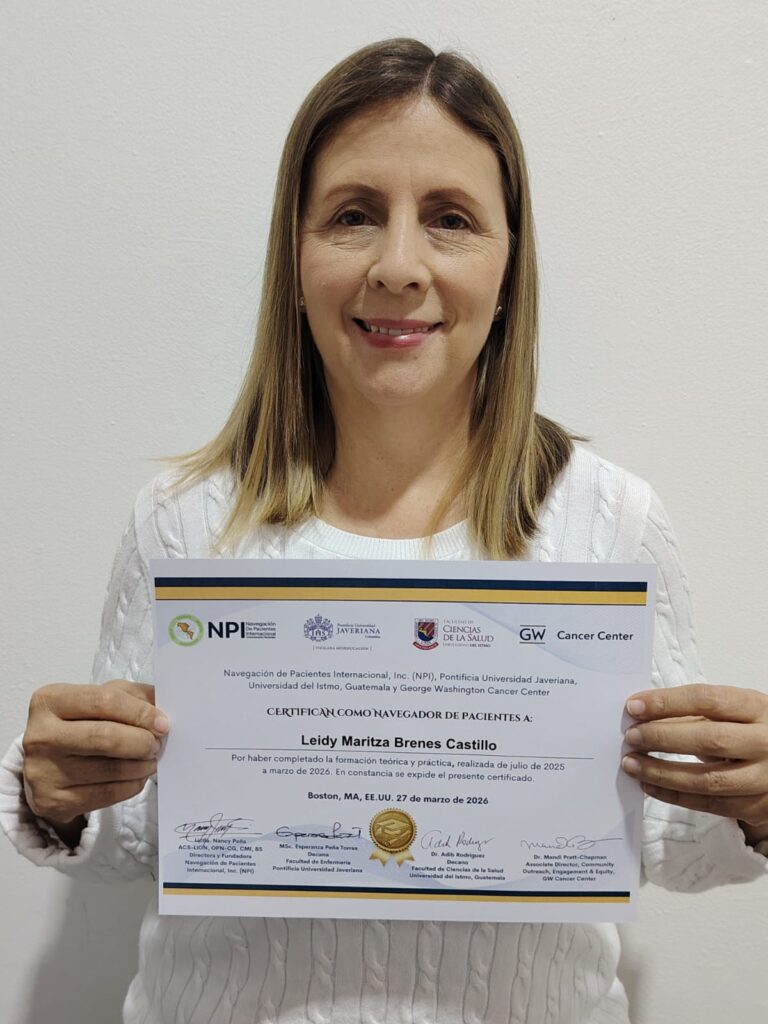
The Costa Rican Association for Pulmonary Hypertension and Respiratory Diseases has taken a different, yet equally vital, approach by investing in human capital. The recent certification of their president, Leidy Maritza, as a "Patient Navigator" signifies a professionalization of the patient advocate role. This certification model allows the association to guide patients through the complexities of the healthcare system, reducing the "bureaucratic trauma" often associated with chronic disease management.

Official Responses and Clinical Integration
A striking feature of the April 2026 landscape is the increasing collaboration between patient groups and formal medical societies.
The SPIF Partnership
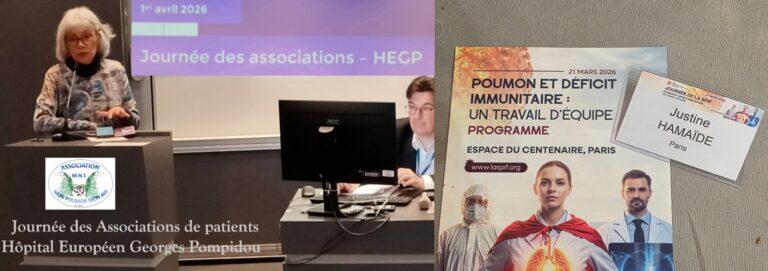
In France, MNT Mon Poumon Mon Air has successfully positioned itself as an essential partner to the medical establishment. By presenting their work on NTM (Non-Tuberculous Mycobacteria) lung disease to the Society of Pneumology of Île-de-France (SPIF), the organisation has effectively breached the silo between patient advocacy and the formal scientific community. This integration ensures that patient voices are not just heard, but are actively consulted during clinical decision-making processes.

Global Solidarity for Sleep Apnea
The "One Billion Voices for Sleep Apnea" campaign, endorsed by the European Lung Foundation (ELF), reflects an institutional shift in how sleep disorders are perceived. By encouraging patients to share 30-second video testimonials, the Associazione Apnoici Italiani (AAI) and the Alliance of Sleep Apnea Partners (ASAP) are utilizing digital storytelling to humanize a condition that is often dismissed as a mere "lifestyle issue" rather than a chronic health crisis affecting one billion people.
Implications for Future Public Health Strategy
The initiatives highlighted this month carry profound implications for the future of respiratory care.
1. The Decentralization of Care
The Health from Nature programme in Finland suggests that the future of respiratory health may lie outside the traditional hospital setting. By emphasizing the intersection of environment and wellbeing, these organisations are advocating for a holistic health model that considers social determinants—like access to nature—as legitimate components of a treatment plan.
2. The Power of "The Missing Piece"
Campaigns like that of the Alpha-1 Europe Alliance demonstrate that for rare or under-diagnosed conditions, the most powerful tool is visual communication. By simplifying the science behind AATD, the Alliance is removing the barriers to entry for patients who may not have a medical background but who possess the symptoms required for an early diagnosis.
3. Patient-Centered Research
The “My Life with COPD” report in Poland underscores a vital shift in research methodology: prioritizing qualitative, lived experience over purely quantitative clinical markers. When patients lead the research, the resulting data is more likely to address issues like psychological burden, social isolation, and the daily struggles of symptom management—areas that are frequently overlooked in conventional clinical trials.
Conclusion: A United Front
As we navigate the second quarter of 2026, it is clear that patient organisations have evolved into sophisticated, multi-faceted entities. Whether they are training patient navigators in Costa Rica, hosting international conferences in Rome, or launching digital global campaigns for sleep apnoea, these groups are the frontline defenders of patient rights.
The synergy between these organisations and international bodies, such as the European Lung Foundation, provides a robust framework for long-term improvement in global respiratory health. By fostering transparency, encouraging early intervention, and insisting on a seat at the table with medical professionals, these patient organisations are ensuring that no one with a lung condition is left behind.
As these initiatives continue to mature, the global medical community must remain attentive. The data being gathered, the stories being shared, and the education being disseminated by these groups will undoubtedly form the foundation for the next decade of respiratory medical policy. For those interested in the ongoing progress of these initiatives, engaging with these organisations through their respective platforms is the most effective way to stay informed and contribute to the global push for better lung health.
To stay updated on these stories and receive the latest research and event information regarding respiratory conditions, consider subscribing to the official mailing list of the European Lung Foundation.