










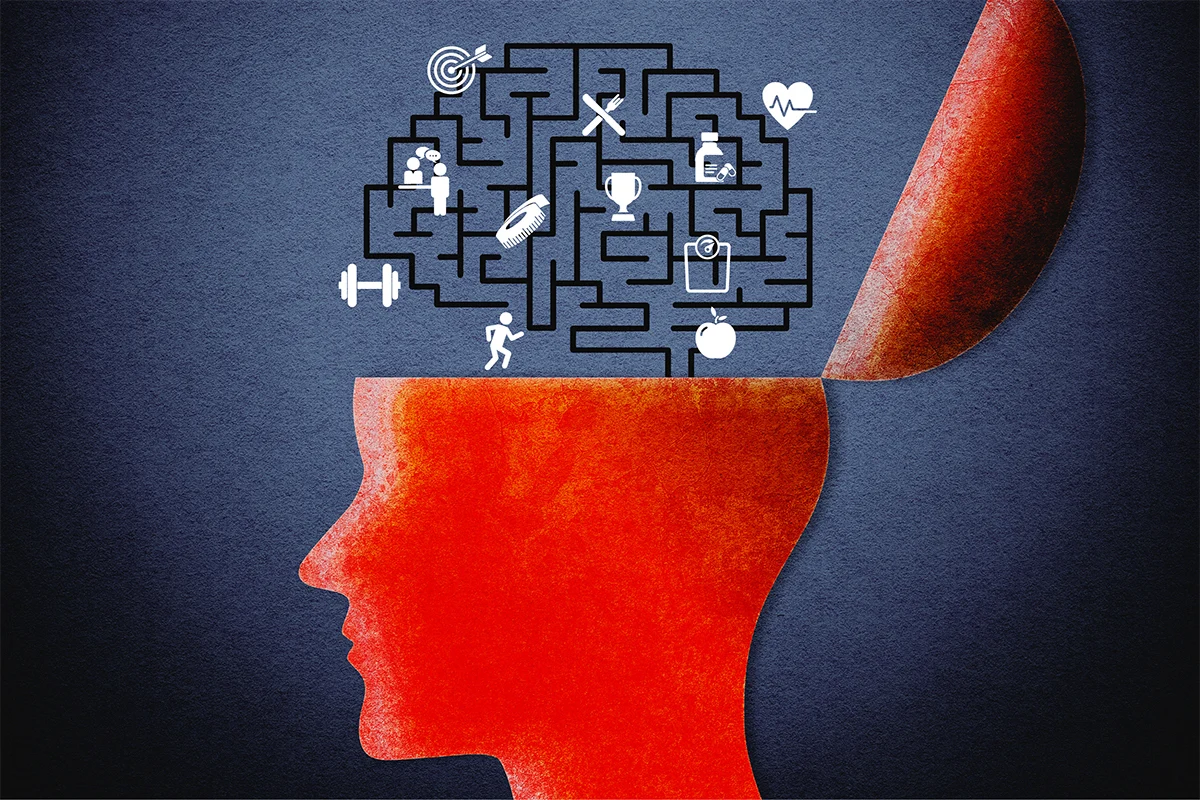
For decades, the global medical community viewed physical exercise primarily through the lens of cardiovascular health and musculoskeletal maintenance. While the benefits of aerobic activity—such as running, swimming, or cycling—have been extensively documented for their impact on mood, a quiet revolution has been taking place in the weight room. Recent clinical research and sociological studies suggest that strength training is not merely a tool for physique enhancement; it is a potent, non-pharmacological intervention for the modern mental health crisis.
As rates of anxiety and depression continue to climb globally, the "iron therapy" movement has transitioned from anecdotal gym-floor wisdom to a verified therapeutic modality. By fostering neurobiological changes and providing a psychological scaffolding for self-regulation, resistance training is proving to be a cornerstone of holistic mental wellness.
The Main Facts: The Neurochemistry of Resistance
At its core, strength training initiates a complex cascade of physiological responses that directly counter the symptoms of mood disorders. When an individual engages in resistance training, the body releases a cocktail of neurochemicals, including endorphins, dopamine, and serotonin. These act as natural mood elevators, effectively blunting the physiological response to stress.
Beyond acute chemical release, consistent resistance training is linked to the upregulation of Brain-Derived Neurotrophic Factor (BDNF). BDNF is often described as "fertilizer for the brain," supporting the survival of existing neurons and encouraging the growth of new synapses. For those suffering from chronic stress, which can lead to the atrophy of the hippocampus, this neuroplasticity is critical.
Furthermore, strength training is uniquely effective at regulating the hypothalamic-pituitary-adrenal (HPA) axis. By subjecting the body to controlled physical stress, the HPA axis becomes more efficient at returning to a baseline state, effectively teaching the nervous system how to recover from external pressures more effectively.
A Chronological Evolution: From Bodybuilding to Bio-Psychology
1970s – 1990s: The Era of Aesthetics
In the late 20th century, the cultural perception of strength training was almost exclusively tied to bodybuilding and high-performance athletics. The focus was external: hypertrophy, powerlifting records, and the "aesthetic ideal." Mental health benefits were viewed as a secondary "side effect" rather than a primary objective.
2000s – 2015: The Rise of Functional Fitness
The turn of the millennium brought the functional fitness movement. Training philosophies shifted toward movement quality, longevity, and "feeling good" rather than just looking a certain way. Researchers began to notice that cohorts participating in structured resistance training reported higher levels of overall life satisfaction.
2016 – Present: Clinical Validation
The last decade has marked a paradigm shift. In 2018, a landmark meta-analysis published in JAMA Psychiatry examined 33 clinical trials involving over 1,800 participants. The study concluded that resistance training significantly reduced depressive symptoms regardless of health status, the volume of exercise, or improvements in physical strength. This solidified the role of strength training as a legitimate clinical recommendation for mental health support.
Supporting Data: Quantifying the Psychological Shift
The data supporting the mental health benefits of lifting weights is robust and growing. According to longitudinal studies, individuals who engage in resistance training at least twice a week exhibit a 20% to 30% lower risk of developing clinical depression compared to sedentary peers.
Key Data Points:
- The Efficacy Gap: Research indicates that the psychological gains from strength training are often independent of physical gains. Participants who saw no significant change in body composition still reported substantial improvements in anxiety reduction, proving that the act of training is the primary therapeutic driver.
- Sleep Quality: Data from the National Sleep Foundation suggests that resistance training is superior to aerobic exercise in improving "deep sleep" (slow-wave sleep) stages, which are vital for emotional regulation and cognitive processing.
- Cognitive Load: In studies tracking cortisol levels, weightlifters demonstrated a lower "stress reactivity" threshold. This means that when faced with life stressors, their cortisol spikes were less pronounced and returned to baseline faster than those who did not lift.
Official Responses and Clinical Perspectives
The medical community has been increasingly vocal in integrating strength training into standard psychiatric care.
"We are moving toward a ‘Prescription Exercise’ model," notes Dr. Elena Vance, a lead researcher in sports psychiatry. "When a patient presents with mild-to-moderate depression, our first line of inquiry is no longer just pharmacological. We look at their movement patterns. Strength training provides a ‘locus of control’ that is often stripped away by mental illness."
Psychologists emphasize that the gym environment offers a controlled setting for failure and recovery. "In the gym, you fail a set. You learn to breathe through the discomfort, adjust your technique, and try again. This is a masterclass in resilience," says sports psychologist Marcus Thorne. "This cognitive framework is highly transferable to professional and personal stressors."
However, official bodies also urge caution. "Strength training is not a replacement for therapy or medication for severe clinical cases," cautions the American Psychological Association. "It is a powerful adjunctive treatment. The ‘dose’ of exercise must be managed to avoid overtraining, which can paradoxically increase cortisol and exacerbate symptoms."
Implications: The Structural Benefits of the Gym
The mental health benefits of strength training extend far beyond the physiological. The behavioral scaffolding provided by a training program is perhaps the most underrated aspect of the practice.
Structure and Predictability
For individuals suffering from anxiety, the world can feel chaotic and unpredictable. A training program—with its set reps, sets, and progression—provides a predictable structure. This "ordered environment" provides a sense of agency. The ability to track progress via a logbook offers concrete evidence of personal development, which serves as a potent antidote to feelings of helplessness.
Self-Efficacy and Identity
Self-efficacy—the belief in one’s ability to succeed—is often eroded by chronic depression. Strength training rebuilds this through small, cumulative wins. Lifting a weight that was impossible last week provides immediate, objective feedback that the individual is capable of growth. This sense of competence often spills over into the workplace and personal relationships, creating a "virtuous cycle" of confidence.
The Social Dimension
While many train alone, the gym acts as a "third space." Even without active social interaction, being in a gym environment provides a sense of community and shared purpose. This reduces the isolation that frequently accompanies mental health struggles, providing a low-stakes social environment that can be vital for those re-engaging with society.
Looking Ahead: The Future of Integrative Wellness
As we look toward the future, the integration of strength training into mental health treatment plans seems inevitable. We are seeing a shift in how insurance companies and public health initiatives view gym memberships—not as luxury fitness expenses, but as preventive mental health measures.
The implications for public health are profound. If society can shift the narrative from "exercise for looks" to "exercise for brain health," we may see a significant reduction in the burden of mental health conditions. By empowering individuals to take control of their physiological state through the iron, we are not just building stronger bodies; we are building a more resilient, capable, and mentally sound populace.
In conclusion, the mechanism of strength training is multifaceted. It bridges the gap between the physical and the psychological, offering a tangible way to influence the intangible. As the evidence base continues to solidify, the gym stands as a modern-day sanctuary—a place where the weight on the bar is the only thing we have to manage, and where, in that singular focus, we find the strength to manage everything else.