









Introduction: The Silent Global Epidemic
Chronic wounds represent one of the most significant, yet often overlooked, public health crises of the 21st century. For the millions of individuals suffering from diabetic foot ulcers, pressure injuries, and venous leg ulcers, these wounds are not merely skin-deep—they are persistent, debilitating, and life-altering. A groundbreaking study led by Nanyang Technological University, Singapore (NTU Singapore), in collaboration with the University of Geneva, has identified a sophisticated mechanism by which common bacteria hijack human physiology to prevent healing. By shifting the focus from killing bacteria to neutralizing their metabolic byproducts, researchers have opened a new frontier in regenerative medicine.
The Magnitude of the Problem
Chronic wounds do not heal in an orderly or timely fashion, often lingering for months or years. Globally, the statistics are sobering. Approximately 18.6 million people are diagnosed with diabetic foot ulcers annually, and research indicates that one in three people living with diabetes will experience a foot ulcer during their lifetime.
In Singapore, the prevalence is equally concerning, with over 16,000 cases reported each year. These wounds are frequently associated with aging populations and the rising incidence of diabetes. Beyond the physical pain, chronic wounds are a primary driver of lower-limb amputations, creating a cycle of medical complications that diminishes the quality of life and places an immense burden on healthcare systems worldwide. When these wounds become infected, the challenge intensifies, particularly as antibiotic resistance renders traditional treatments increasingly ineffective.
Chronology of the Discovery
The path to this discovery began with a fundamental question: Why do certain infections cause wounds to stall even when the bacterial load appears manageable?
For years, the medical community operated under the assumption that bacteria primarily hampered healing through toxins. However, the international research team, led by NTU Associate Professor Guillaume Thibault of the School of Biological Sciences and Professor Kimberly Kline of the University of Geneva, suspected a more nuanced interaction.
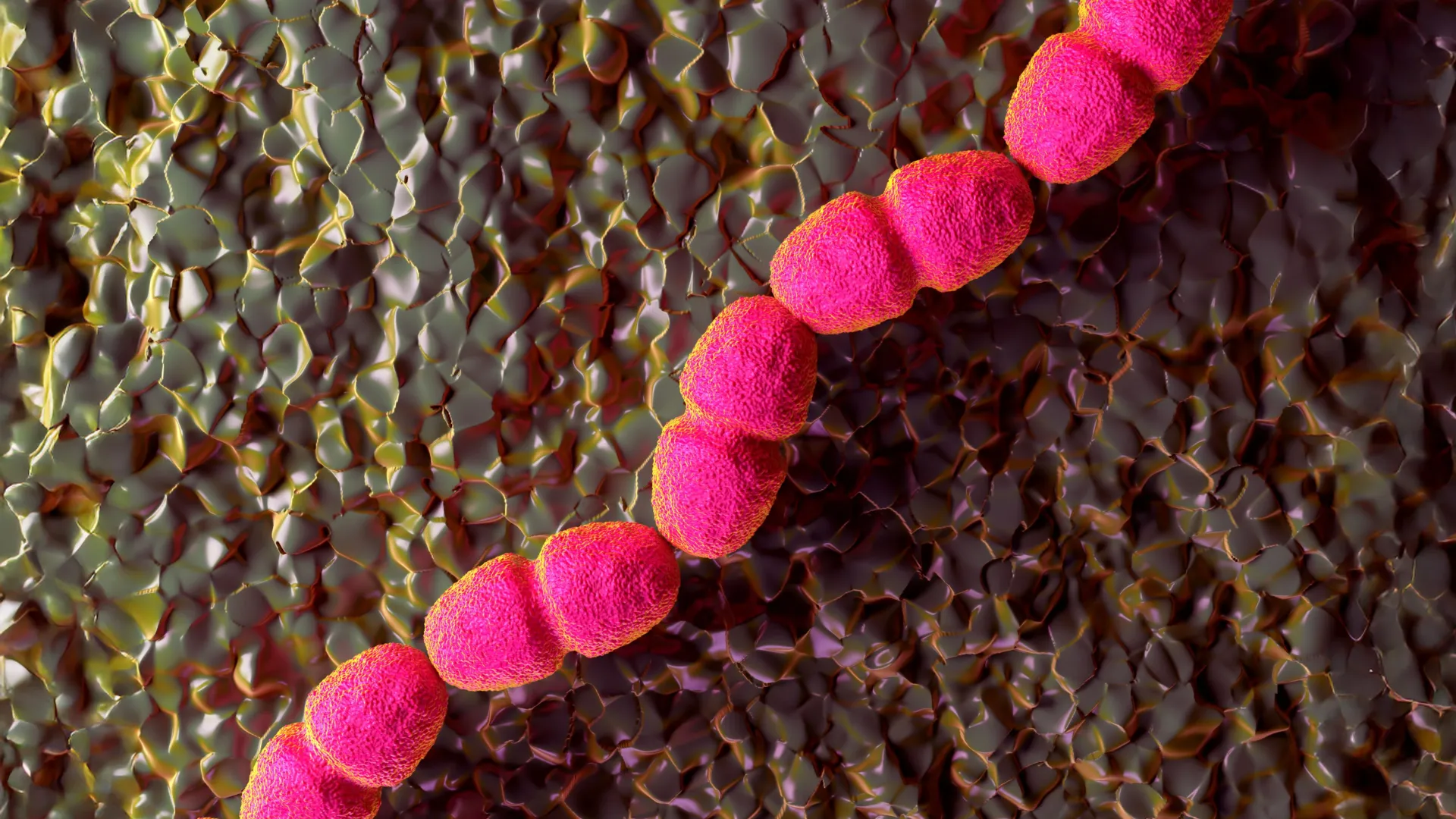
- Identification of the Culprit: The team focused on Enterococcus faecalis (E. faecalis), an opportunistic pathogen notorious for its persistence in chronic wound environments.
- Mechanistic Analysis: Utilizing advanced molecular biology techniques, the team tracked the metabolic behavior of E. faecalis in the presence of human keratinocytes—the primary cells responsible for skin repair.
- The "Eureka" Moment: Dr. Aaron Tan, the study’s first author and an NTU Research Fellow, identified that E. faecalis utilizes a process called extracellular electron transport (EET). This metabolic pathway acts as a chemical engine, continuously pumping out hydrogen peroxide.
- Biological Impact: The team observed that this hydrogen peroxide induces extreme oxidative stress in skin cells, triggering an "unfolded protein response" that essentially paralyzes the cells, preventing the migration necessary for wound closure.
- Validation: By engineering a strain of E. faecalis lacking the EET pathway, the researchers demonstrated that the bacteria lost their ability to inhibit wound healing, confirming the metabolic process as the primary culprit.
Supporting Data and Biological Mechanisms
The study, published in the prestigious journal Science Advances, provides a granular look at how bacterial metabolism dictates human cellular behavior.
The Role of Reactive Oxygen Species (ROS)
While the body produces ROS for signaling, an excess—as generated by E. faecalis—creates a toxic environment. The EET pathway allows the bacteria to effectively "breathe" in a way that exports electrons to the extracellular environment, reducing oxygen to form hydrogen peroxide. This is not a secondary effect of the infection; it is a primary metabolic strategy of the bacterium.
The Unfolded Protein Response (UPR)
In healthy conditions, the UPR is a survival mechanism that helps cells manage protein folding during stress. However, in the context of a chronic wound, the constant barrage of hydrogen peroxide keeps the UPR in a state of hyper-activation. This forces the keratinocytes into a "quiescent" or sedentary state. By slowing down protein production to "cope" with the oxidative stress, the cells become unable to execute the complex choreography required to migrate, proliferate, and seal a wound. The discovery that this pathway is the mechanism of interference is a major shift in clinical understanding.
Official Responses and Perspectives
The implications of these findings have resonated throughout the scientific community.
Assoc Prof Guillaume Thibault, who also serves as the Assistant Dean (International Engagement) at the NTU College of Science, emphasized the paradigm shift in the team’s approach: "Our findings show that the bacteria’s metabolism itself is the weapon, which was a surprise finding previously unknown to scientists."
He elaborated on the strategic advantage of this discovery: "Instead of focusing on killing the bacteria with antibiotics—which is becoming increasingly difficult and contributes to the global challenge of antimicrobial resistance—we can now neutralize it by blocking the harmful products it generates. By restoring the natural healing environment, we target the cause of the chronic wound, not just the bacteria."
Professor Kimberly Kline, a visiting professor at the Singapore Centre for Environmental Life Sciences and Engineering (SCELSE) at NTU, noted the importance of interdisciplinary collaboration. "This research bridges the gap between environmental microbiology and clinical dermatology. By understanding how a microbe interacts with its host environment at a molecular level, we can design smarter, more effective therapies."
Implications for Future Clinical Practice
The transition from lab-based discovery to clinical application is often the longest hurdle in medical science. However, this study offers a unique shortcut.
Antioxidant-Infused Dressings
Because the study identified hydrogen peroxide as the specific enemy, the researchers suggest that the next generation of wound care technology should involve antioxidant-infused dressings. By utilizing enzymes like catalase—which naturally breaks down hydrogen peroxide into harmless water and oxygen—clinicians could create a "pro-healing" environment within the dressing itself.
Moving Beyond Antibiotics
The "anti-metabolic" approach is a game-changer for treating antibiotic-resistant strains. If the bacteria are no longer being targeted by traditional antibiotics, the selective pressure that drives the evolution of "superbugs" is significantly reduced. This could potentially extend the lifespan of our existing antibiotic arsenal while providing a safe, effective treatment for patients who have exhausted standard options.
Speed to Market
Catalase and similar antioxidants are already well-understood, widely used, and deemed safe in various biomedical applications. This familiarity may allow the researchers to bypass some of the early-stage safety hurdles associated with novel drug development, potentially accelerating the timeline for clinical trials.
The Path Forward: From Animal Models to Humans
The research team is not stopping at the petri dish. The next phase of the study involves refining the delivery mechanism for antioxidants. The team is currently conducting studies in animal models to determine the most effective ways to stabilize and deliver these enzymes directly to the wound bed.
Once these models confirm efficacy and safety, the transition to human clinical trials will be the primary objective. The researchers are optimistic that this dual-pronged approach—combining traditional infection control with targeted metabolic neutralization—will become the new standard of care for chronic wound management.
Conclusion: A New Era of Regenerative Care
The research led by NTU Singapore and the University of Geneva represents a triumph of translational science. By unraveling the complex metabolic sabotage employed by E. faecalis, the team has moved the needle from merely managing infection to actively restoring the body’s innate ability to repair itself.
For the millions of patients currently suffering from the stagnation of chronic wounds, this discovery offers more than just academic interest; it offers the promise of a future where these wounds are no longer permanent burdens, but temporary setbacks. As the medical community turns its attention toward metabolic intervention, the prospect of healing the "unhealable" wound is closer than ever before. Through innovation, interdisciplinary collaboration, and a willingness to rethink the relationship between host and pathogen, we are entering a new era of wound care that is as effective as it is life-changing.