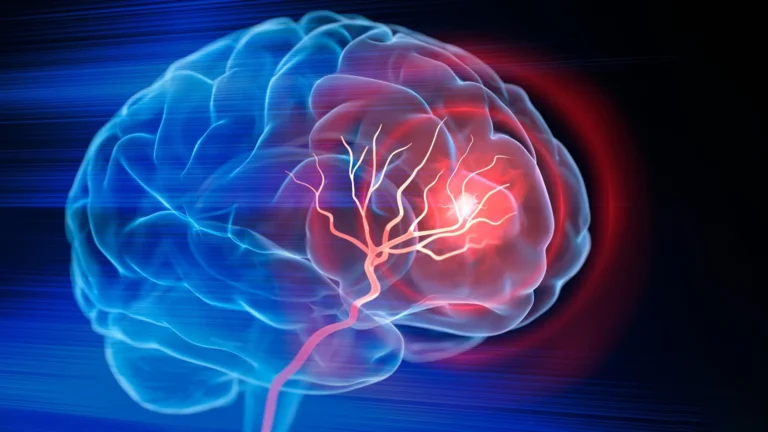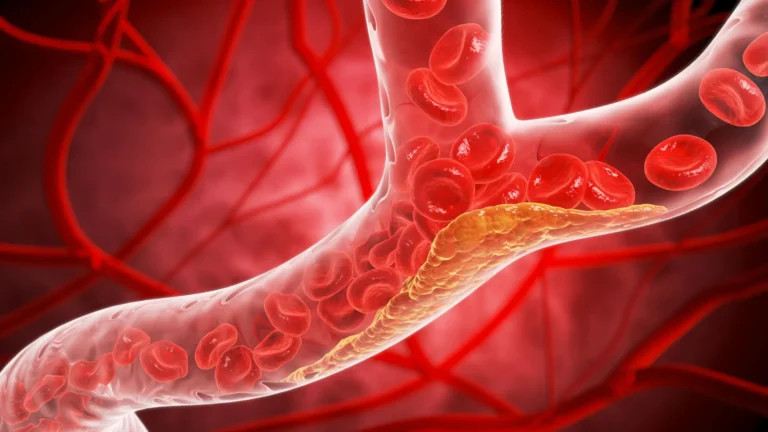
In a significant breakthrough that could reshape the therapeutic landscape for metabolic and cardiovascular medicine, an international research team has unveiled findings suggesting that an experimental drug, IC7Fc, possesses the dual capability to treat type 2 diabetes and mitigate the progression of heart disease. The study, published in the peer-reviewed journal Science Advances, offers a glimmer of hope for millions grappling with atherosclerosis—the silent, life-threatening accumulation of plaque within arterial walls.
Led by the Leiden University Medical Centre in the Netherlands in collaboration with Australia’s Monash University, the research provides a sophisticated look at how a single pharmacological agent might address two of the most pervasive health crises in the modern world: obesity-related metabolic dysfunction and cardiovascular deterioration.
The Core Findings: A Dual-Threat Intervention
The research centers on IC7Fc, a designer protein engineered to interact with specific cytokine receptors involved in metabolic regulation. While previous iterations of the research focused heavily on the drug’s capacity to normalize blood glucose and combat insulin resistance—the hallmarks of type 2 diabetes—this latest preclinical investigation pivots to the cardiovascular system.
The study demonstrated that in animal models genetically predisposed to heart disease, IC7Fc administration resulted in a marked reduction of circulating triglycerides and total cholesterol. Perhaps more critically, the researchers observed a tangible decrease in the formation of atherosclerotic plaques. These plaques, which harden and narrow arteries, are the primary precursors to myocardial infarction (heart attack) and stroke. By simultaneously lowering blood lipid levels and modulating systemic inflammation, IC7Fc addresses the "lethal duo" that drives the majority of cardiovascular mortality globally.
A Chronological Progression: From Metabolic Management to Heart Health
The trajectory of IC7Fc’s development is a testament to the evolving understanding of how metabolic disorders and cardiovascular health are inextricably linked.
The Foundation: Targeting Diabetes
The journey began with the observation that certain cytokines play a paradoxical role in metabolic health. Professor Mark Febbraio of the Monash Institute of Pharmaceutical Sciences (MIPS), a central figure in the development of IC7Fc, spearheaded early studies that established the drug as a viable candidate for treating type 2 diabetes. In these initial trials, the drug was shown to improve insulin sensitivity and glucose uptake, effectively "re-tuning" the metabolic pathways that go awry in diabetic patients.
Expanding the Scope
Recognizing that metabolic diseases rarely exist in isolation, the research team sought to determine if the therapeutic benefits of IC7Fc could be leveraged to address the secondary complications of diabetes—specifically, the high prevalence of heart disease among the diabetic population. The shift in focus to atherosclerosis marked a pivotal expansion in the research scope, moving from simple glucose management to the prevention of structural vascular damage.
Current Breakthroughs
The latest study in Science Advances represents the culmination of this longitudinal effort. By utilizing mouse models specifically bred to mirror the human progression of atherosclerosis, the team moved beyond theoretical metabolic improvements to observe direct physical changes within the vascular system. The result—a significant slowing of artery "clogging"—positions IC7Fc as a multi-functional therapeutic agent.
Supporting Data: Dissecting the Mechanism
To validate these findings, the research team conducted a series of rigorous assays. The data provided a clear narrative regarding the drug’s efficacy:
- Lipid Profile Optimization: Subjects treated with IC7Fc exhibited statistically significant drops in low-density lipoprotein (LDL) cholesterol and triglycerides compared to control groups.
- Anti-Inflammatory Action: Atherosclerosis is fundamentally an inflammatory process. The study found that IC7Fc successfully downregulated pro-inflammatory markers that typically recruit immune cells to the arterial wall, thereby preventing the recruitment of foam cells that form the core of fatty plaques.
- Vascular Integrity: Histological analysis of arterial tissue in the treated subjects showed thinner plaque formations and improved luminal diameter (the interior space of the artery), suggesting that the drug not only slows plaque growth but may improve overall vascular health.
The "Lean vs. Obese" Distinction
One of the most compelling aspects of this research is the distinction observed between obese and lean mouse models. In previous studies, IC7Fc was lauded for its ability to promote weight loss and suppress appetite in obese subjects. However, in the current study, researchers utilized lean mice that were genetically susceptible to high cholesterol.
The finding was striking: the drug maintained its cardioprotective properties—lowering cholesterol and reducing arterial inflammation—without triggering weight loss or changes in food intake. This suggests that the cardiovascular benefits of IC7Fc are independent of its weight-management properties. This "uncoupling" is of vital importance, as it indicates the drug could be prescribed for patients with high cholesterol and heart disease risks who are not overweight, thereby avoiding unnecessary weight loss in vulnerable populations.
Official Responses and Expert Perspectives
Professor Mark Febbraio, who has been instrumental in the development of the molecule, emphasized the gravity of these findings in the context of global health.
"Heart disease remains the world’s biggest killer, driven largely by atherosclerosis," Professor Febbraio stated. "Even with common treatments that lower blood pressure and cholesterol—such as statins—many people remain at residual risk. This demonstrates that there is still a significant clinical gap. We need treatments that move beyond simply managing a single marker to addressing the underlying inflammatory and metabolic processes that drive vascular damage."
Regarding the potential for clinical application, the research team maintains a cautious but optimistic outlook. "These results suggest IC7Fc could offer a dual benefit," Febbraio added. "It is an exciting step towards a treatment that targets both metabolic and cardiovascular disease in a singular, efficient intervention."
The broader scientific community has noted that while the preclinical data is robust, the transition from mouse models to human trials is the true "make or break" phase. Peer reviewers have highlighted that the drug’s mechanism—involving cytokine signaling—requires careful monitoring to ensure that systemic inflammation modulation does not negatively impact immune responses elsewhere in the body.
Implications for Future Medicine
The implications of the IC7Fc study extend far beyond the laboratory. If these results can be replicated in human clinical trials, the medical community could witness a paradigm shift in how we approach chronic disease.
1. Toward Personalized "Metabolic-Cardio" Medicine
Currently, patients are often prescribed a "cocktail" of medications: one for blood sugar, one for blood pressure, and another for cholesterol. A drug like IC7Fc, which acts on multiple pathways, could simplify treatment regimens, reduce the risk of polypharmacy (the use of multiple drugs), and improve patient compliance.
2. The Era of Anti-Inflammatory Cardiology
The study reinforces the growing consensus that heart disease is as much an inflammatory condition as it is a lipid-processing one. By proving that a single molecule can inhibit the inflammatory response in arteries, IC7Fc opens the door for a new generation of "anti-inflammatory" cardiac treatments that go beyond standard lipid-lowering therapies.
3. Addressing the Residual Risk
For the millions of patients who take statins but still suffer from cardiovascular events, the search for "residual risk" reduction is the holy grail of cardiology. IC7Fc, by targeting the structural buildup of plaque rather than just circulating lipids, may provide the missing piece in the puzzle of long-term cardiac protection.
Looking Ahead: The Road to Human Trials
While the findings are undeniably promising, the path forward involves rigorous regulatory scrutiny. The research team is now focused on the preclinical safety profile of IC7Fc, ensuring that the compound is well-tolerated and that its pharmacological effects are specific to the intended targets.
The next phases will involve:
- Safety and Toxicity Studies: Ensuring that the cytokine receptor modulation does not lead to adverse immunological effects in long-term exposure.
- Dose-Response Optimization: Determining the minimal effective dose for human administration to maximize benefits while minimizing potential side effects.
- Clinical Trial Design: Developing trials that specifically target populations with both metabolic syndrome and subclinical atherosclerosis.
In conclusion, the research led by the Leiden University Medical Centre and Monash University represents a sophisticated approach to the intersection of metabolism and cardiology. By demonstrating that IC7Fc can decouple cardioprotection from weight loss and address the inflammatory root of atherosclerosis, the researchers have provided a compelling roadmap for the future of chronic disease management. As the global burden of heart disease continues to rise, the development of multi-action therapeutics like IC7Fc may well be the key to saving countless lives, offering a more precise and comprehensive way to protect the heart in an increasingly complex medical environment.