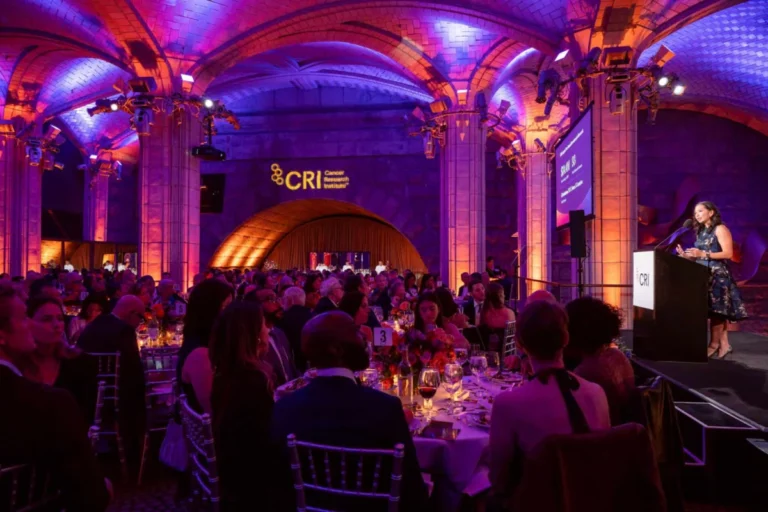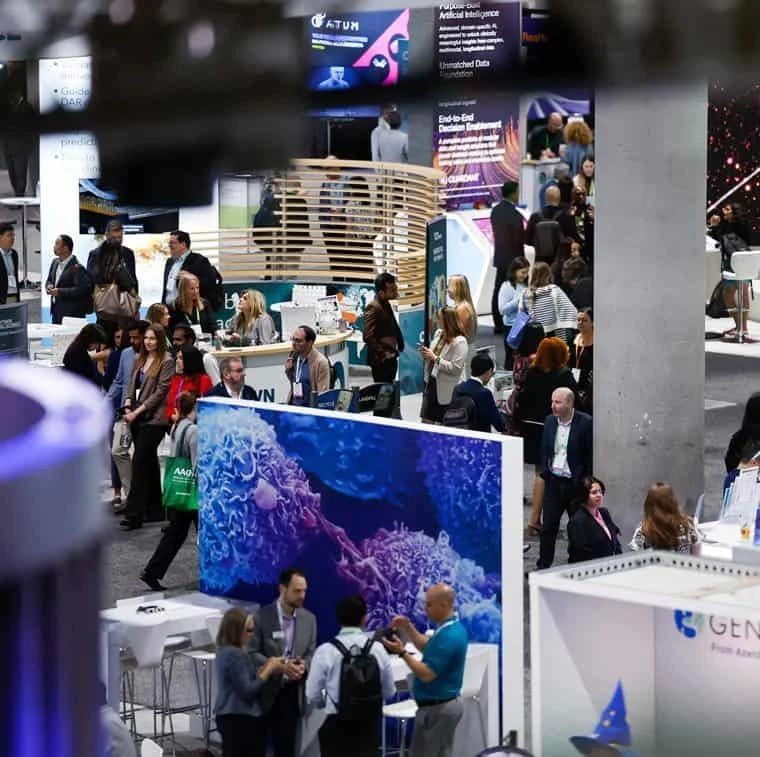
At the 2026 American Association of Cancer Research (AACR) Annual Meeting, a pivotal narrative took center stage. National Cancer Institute (NCI) Director Dr. Anthony Letai delivered a keynote address that served as both a victory lap for modern science and a sobering wake-up call. While the statistics prove that the tide is turning against oncology’s most stubborn adversaries, Dr. Letai’s message was clear: the era of "easy wins" is over, and the path forward requires a radical evolution in how we conduct, fund, and democratize cancer research.
Main Facts: A Decadal Shift in Oncology
The 2026 American Cancer Society’s Cancer Statistics report provides the foundation for this renewed sense of urgency. Over the past thirty years, cancer mortality in the United States has plummeted by approximately one-third. This decline is not a statistical anomaly; it is the direct result of a massive, coordinated shift toward immuno-oncology. By harnessing the body’s own immune system to identify and dismantle malignant cells, researchers have moved beyond the "slash and burn" methods of traditional chemotherapy, offering patients not just survival, but quality of life.
However, the nature of the disease is shifting. We are no longer fighting a static foe. As cancer evolves, so too must the research infrastructure. The meeting underscored that while we have mastered certain battlefields, new, aggressive fronts have opened that demand an entirely new playbook.
Chronology: The Evolution of the Cancer Battle
The history of cancer research can be categorized into three distinct phases, each defining our current trajectory:
- 1996–2010: The Era of Targeted Therapies. This period focused on the molecular drivers of cancer, shifting from broad-spectrum toxic treatments to therapies designed to hit specific genetic mutations.
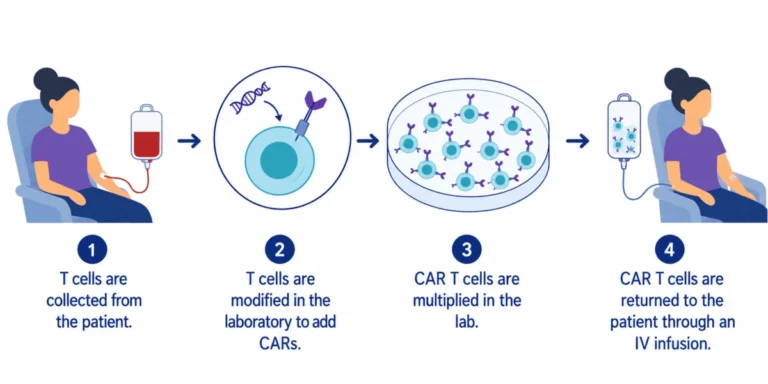
- 2010–2025: The Immuno-Oncology Revolution. The rise of checkpoint inhibitors and CAR-T cell therapy marked the transition to biological warfare, where the patient’s immune system became the primary weapon.
- 2026 and Beyond: The Precision Data Era. We have entered a phase defined by the intersection of AI, massive biological datasets, and the need for systemic efficiency. The current focus is no longer just "what" the drug does, but "who" it will work for, based on hyper-personalized tumor profiles.
Supporting Data: The Rising Tide of Complexity
While mortality rates drop, the clinical landscape is becoming increasingly complex. The AACR meeting highlighted several alarming data points that necessitate a change in strategy:
- The Early-Onset Crisis: Perhaps the most concerning trend is the rise of cancer among the young. Colorectal cancer is now the leading cause of cancer-related death among adults under 50. Incidence rates in this cohort are climbing by nearly 3% annually, a phenomenon that has baffled researchers and prompted calls for revised screening guidelines.
- The Persistence of Resistance: Even our most potent immunotherapies face the hurdle of acquired resistance. Tumors are inherently adaptive; when attacked, they evolve. A significant portion of the 2026 agenda was dedicated to understanding how to outpace this biological "escape" mechanism.
- The Global Speed Gap: Dr. Letai highlighted a critical disparity in clinical trial efficiency. While the U.S. remains a leader in basic science, early-phase clinical trial throughput is increasingly being outpaced by international competitors, specifically China. The time it takes to move a discovery from a lab bench to a patient’s bedside has become the defining metric of success.
Official Responses and Strategic Shifts
Dr. Letai’s address was not merely an observation; it was a mandate for institutional reform. He outlined several key areas where the NCI and its partners must pivot:
The AI-Ready Infrastructure
One of the primary roadblocks to precision medicine is the "silo effect." Research data is often trapped in proprietary formats or disparate institutional databases. Initiatives like the Cancer Research Institute’s (CRI) Discovery Engine are essential to breaking these walls. By creating a standardized, harmonized, and AI-ready repository of genomic and spatial data, the field is finally moving toward a "plug-and-play" model of collaborative science. This allows researchers across the globe to train AI models on massive, unified datasets, identifying patterns in patient responses that no human researcher could see alone.
Streamlining Regulatory Pathways
Dr. Letai emphasized that innovation is meaningless if it is buried under administrative latency. The call for "parallel processing"—where regulatory review, manufacturing, and clinical site activation occur simultaneously rather than sequentially—is a direct response to the global competition in trial speed. The goal is to shrink the "valley of death" between the discovery of a molecule and its availability to a patient in need.
Investing in the Human Pipeline
Perhaps the most personal component of the keynote was the focus on the "next generation" of scientists. The path to becoming an independent investigator has become fraught with funding instability, leading to a "brain drain" of talent toward other sectors. The CRI’s IGNITE Award serves as a model for this; by providing five years of secure funding during the critical bridge between postdoctoral work and independent faculty roles, organizations are attempting to safeguard the future of the oncology workforce.
Implications: The Road to Equitable Care
The most profound implication of the 2026 AACR meeting is the explicit recognition that scientific innovation is not synonymous with clinical progress if that progress is not equitable.
Bridging the Access Gap
Even if we cure a disease, the victory is hollow if the cure is only available to those in affluent urban centers. Dr. Letai challenged the research community to integrate "community reach" into the design phase of every study. This means decentralizing clinical trials—bringing them to community hospitals and rural health clinics—and ensuring that the data used to train AI reflects the genetic diversity of the entire population, not just a privileged subset.
The New Principles of Oncology
As the meeting concluded, the consensus coalesced around three core principles that will define the next decade of cancer care:
- Precision: Every treatment plan must be a custom-tailored response to the patient’s specific biological and tumor signature.
- Partnership: The traditional "lone wolf" scientist model is obsolete. Future breakthroughs will be the product of cross-institutional, international, and public-private data sharing.
- Purpose: The ultimate metric of success is not a publication in a high-impact journal, but the measurable reduction of mortality and the improvement of life for the most vulnerable patient populations.
Conclusion: A Call to Action
The progress of the last thirty years is a testament to what humanity can achieve when we prioritize science. However, the emerging challenges of early-onset disease, treatment resistance, and systemic inequality require a new level of focus.
For the patient, this transition represents a shift from "trial and error" to "prediction and precision." For the donor, it represents an investment in the most sophisticated biological infrastructure ever built. And for the researcher, it is a reminder that the work is not yet done. As the 2026 AACR meeting proved, the next breakthrough is not waiting in the distant future—it is being built today, through the data we share, the talent we support, and the commitment we make to ensuring that no patient is left behind in the pursuit of a cure. The future of cancer care is no longer just about survival; it is about rewriting the narrative of the disease entirely.