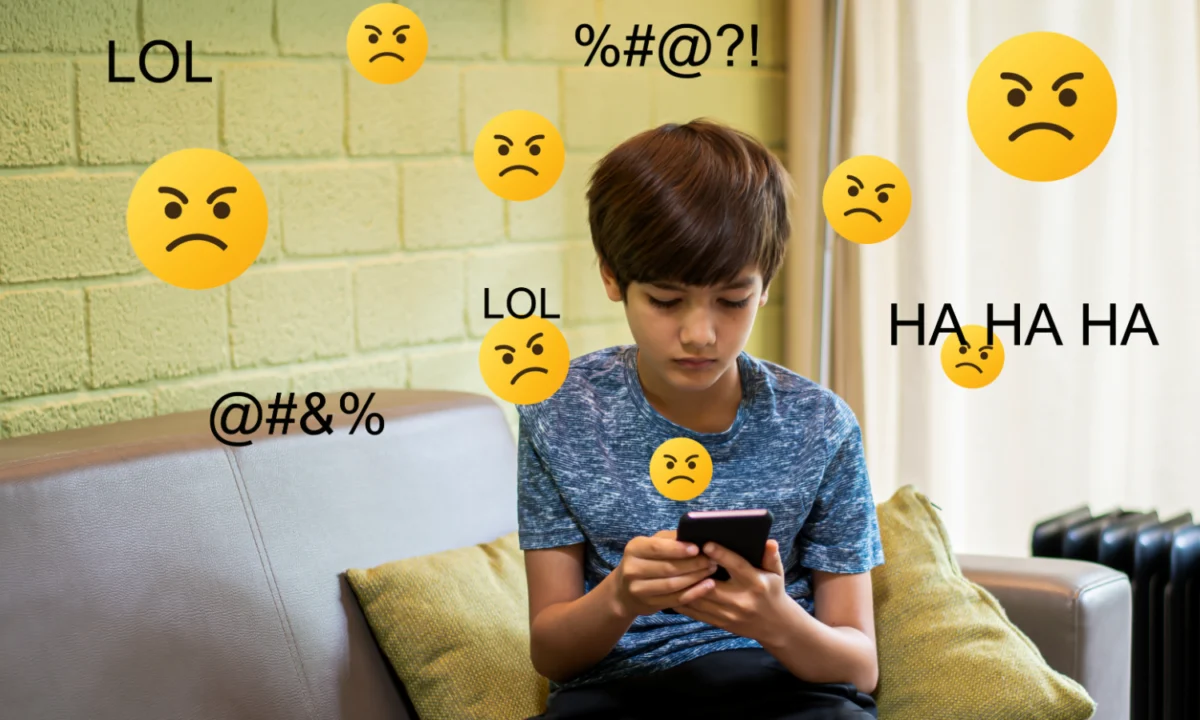
In an era defined by unprecedented digital connectivity and global volatility, the mental health of the world’s youth has reached a critical inflection point. As diagnoses of anxiety, depression, and behavioral disorders climb at an alarming rate, parents and professionals are grappling with a fundamental question: When does typical teenage rebellion cross the line into a clinical emergency?
Parenting a teenager has never been a simple endeavor, but the landscape of 2024 is vastly different from the one inhabited by previous generations. Recent data highlights a staggering shift in the emotional well-being of adolescents. Between 2016 and 2023, the prevalence of diagnosed mental or behavioral health conditions among teenagers surged by 35%. Today, nearly 40% of adolescents report persistent feelings of sadness or hopelessness—a statistic that represents more than just a "difficult phase."
As the healthcare industry shifts its focus toward early intervention, understanding the nuances of teen therapy has become a vital component of modern parenting.
Main Facts: The Current State of Youth Mental Health
The statistical reality of the current "youth mental health crisis" is stark. According to the latest reports from health monitoring agencies and clinical studies, anxiety and depression are no longer outliers; they are becoming defining characteristics of the adolescent experience.
The 35% increase in diagnosed conditions reflects several factors. First, there is a genuine rise in distress levels attributed to social media pressures, academic competition, and a post-pandemic world. Second, there is a positive trend toward increased screening and reduced stigma, leading more families to seek formal diagnoses.
However, a significant "treatment gap" remains. While nearly 80% of children aged 12 to 17 who are diagnosed with a mental health condition receive some form of treatment, millions of others suffer in silence, their symptoms dismissed as "hormonal" or "typical teenage angst." The most common diagnoses currently recorded include:
- Generalized Anxiety Disorder (GAD): Often manifesting as perfectionism or school avoidance.
- Major Depressive Disorder (MDD): Characterized by withdrawal and a loss of interest in previously enjoyed activities.
- Behavioral and Conduct Disorders: Often masking underlying emotional pain through outward aggression or defiance.
Chronology: From "Growing Pains" to Clinical Concern
To understand the current crisis, one must look at the evolution of adolescent psychology over the last decade.
2010–2015: The Digital Shift
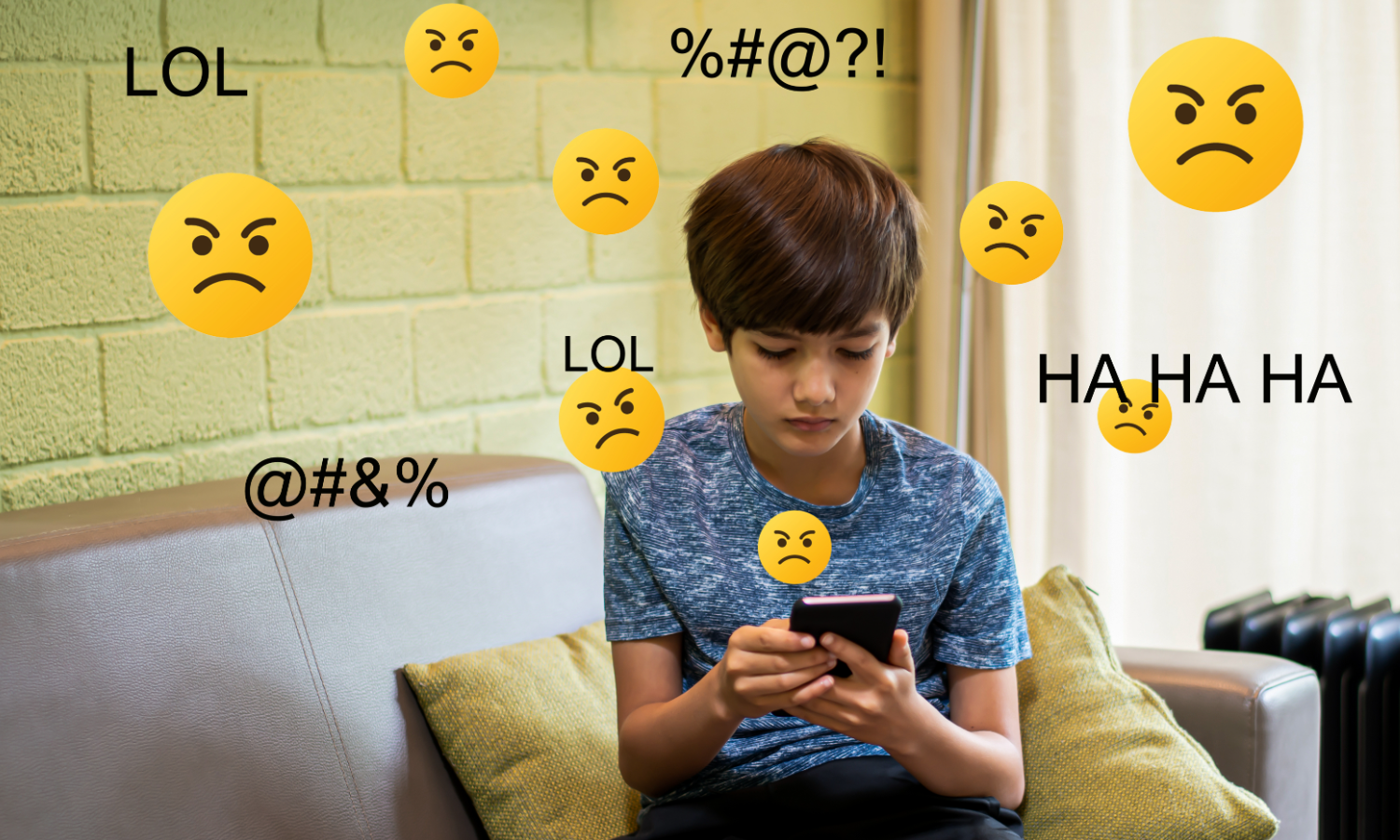
The widespread adoption of smartphones and social media began to reshape social hierarchies and self-image. Researchers noted a subtle but steady increase in reports of loneliness despite increased digital "connectedness."
2016–2019: The Pre-Pandemic Climb
Even before the global health crisis, mental health professionals warned of a "loneliness epidemic" among Gen Z. Diagnoses began to climb as school districts reported higher rates of absenteeism related to mental health.
2020–2022: The Catalyst
The COVID-19 pandemic acted as an accelerant. The loss of social milestones—proms, graduations, and daily peer interactions—combined with the stress of a global crisis, pushed many vulnerable teens over the edge. During this period, emergency room visits for mental health emergencies among adolescents rose significantly.
2023–Present: The "New Normal"
In the wake of the pandemic, the 35% surge in diagnoses has solidified. We are now seeing the long-term effects of prolonged isolation and the "perma-crisis" mentality (climate change, economic instability, and political polarization) that weighs heavily on the youth.
Supporting Data: Identifying the Red Flags
Distinguishing between normal developmental shifts and mental health crises requires a keen eye for "persistence." While mood swings are a hallmark of puberty, clinical experts point to five specific warning signs that necessitate professional intervention.
1. Persistent Emotional Withdrawal
Occasional "bad days" are expected. However, when a teenager experiences persistent sadness or anxiety that lasts for two weeks or more, it is a clinical red flag. This withdrawal often manifests as a lack of energy, poor concentration, and an inability to find joy in things that once sparked excitement.
2. Radical Shifts in Physical Habits
Mental health and physical health are inextricably linked. Sudden, unexplained changes in sleep patterns (insomnia or oversleeping), eating habits (significant weight loss or gain), or a sharp decline in academic performance are often the first outward signals of internal turmoil.
3. The "Digital Hermit" Phenomenon
Social isolation is one of the strongest predictors of depression. If a teen stops reaching out to friends, quits sports teams, or retreats entirely into their bedroom—forsaking the real world for the digital one—it often indicates a struggle to cope with reality.
4. Somatic Complaints
The brain-gut connection is powerful in adolescents. Many teens do not have the vocabulary to say, "I am overwhelmed." Instead, they present with chronic stomach aches, headaches, or fatigue. If a pediatrician cannot find a medical cause for these physical ailments, the root is frequently psychological.
5. High-Risk Coping Mechanisms
Self-harm and substance abuse are extreme forms of emotional regulation. Experts warn that these behaviors are rarely about "attention-seeking" and are almost always about "pain management." When a teen uses alcohol, drugs, or self-injury to numb their feelings, the risk to their safety becomes immediate.
Official Responses: Expert Perspectives on Therapy
Mental health professionals emphasize that therapy should not be viewed as a "last resort" or a punishment for bad behavior. Instead, it is a proactive tool for developmental success.
The "Stigma" Barrier
Dr. Sarah Jenkins, a clinical psychologist specializing in adolescent care, notes that parents often feel a sense of failure when their child needs therapy. "There is this lingering idea that if you were a ‘good enough’ parent, your child wouldn’t be depressed," Jenkins explains. "In reality, seeking therapy is an act of high-level parenting. It’s no different than taking a child to an orthopedist for a broken bone."
The Importance of Specialization
Official guidelines from organizations like the American Psychological Association (APA) stress that teenagers require specialized care. The adolescent brain is in a state of "remodeling." The prefrontal cortex—responsible for decision-making and impulse control—is not fully developed until the mid-20s. Therefore, a therapist must understand neurodevelopmental shifts to be effective.
Confidentiality and Agency
A common concern for teens is privacy. Experts suggest that for therapy to work, the teen must feel they have "agency." This means allowing them to have a say in choosing their therapist and respecting the confidentiality of the sessions (barring safety risks). When a teen feels they own the process, the success rate of the treatment increases exponentially.

Implications: The Long-Term Impact of Intervention
The implications of the current surge in teen mental health needs are profound. If left unaddressed, adolescent depression and anxiety can lead to a "failure to launch" in early adulthood, increased risk of chronic substance abuse, and lifelong struggles with interpersonal relationships.
The Economic and Societal Cost
Untreated mental health issues in youth correlate with lower educational attainment and reduced earning potential later in life. By investing in teen therapy now, society reduces the future burden on the adult healthcare system and the criminal justice system.
The "Family-Centered" Shift
One of the most significant implications of modern therapy is the shift toward family involvement. Contemporary therapists often view the family as an "ecosystem." When a teen enters therapy, it often prompts parents to examine their own communication styles and stress levels, leading to a healthier home environment for everyone.
Early Intervention as a Lifeline
The 988 Suicide & Crisis Lifeline reports that early intervention is the single most effective way to prevent tragic outcomes. By normalizing mental health check-ups in the same way we normalize physicals, we can catch issues before they escalate into life-threatening crises.
Taking the First Step: A Guide for Parents
For parents ready to start the conversation, experts recommend a "lead with love" approach.
- Timing is Everything: Do not bring up therapy during a heated argument. Choose a calm, neutral moment.
- Observation over Judgment: Use "I" statements. Instead of saying, "You’re acting crazy," try, "I’ve noticed you haven’t been hanging out with your friends lately, and I want to make sure you’re feeling okay."
- Offer Choices: Provide two or three therapist profiles and let the teen choose which one they feel most comfortable with.
In conclusion, the 35% increase in adolescent mental health diagnoses is a call to action. While the statistics are daunting, they also represent a generation that is more self-aware and more willing to seek help than any before it. By recognizing the signs early and bridging the gap between "normal" behavior and clinical need, parents can provide their children with the emotional toolkit necessary to navigate an increasingly complex world.
Crisis Resources
- 988 Suicide & Crisis Lifeline: Call or text 988 (Available 24/7, free, and confidential).
- Crisis Text Line: Text HOME to 741741.
- The Trevor Project (LGBTQ Youth): Call 1-866-488-7386 or text START to 678-678.