








Main Facts: Bridging the Gap Between Passion and Participation
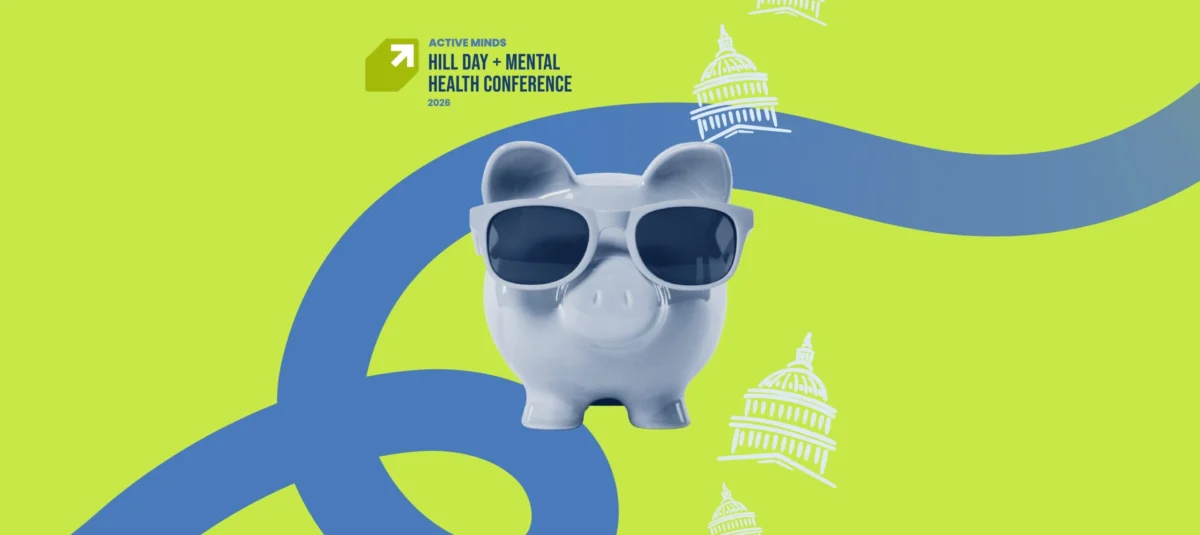
The mental health landscape for young adults in the United States is at a critical juncture. As the nation prepares for the 2026 legislative cycle, the role of youth advocacy has never been more vital. Central to this movement is the Active Minds Hill Day + Mental Health Conference 2026, a premier event designed to mobilize hundreds of students and young professionals to influence national policy and share best practices in campus wellness.
However, a recurring challenge threatens the inclusivity of this transformative experience: the financial barrier. While the desire to participate is high, many students—particularly those from marginalized backgrounds or those operating on strict academic budgets—find the costs of registration, travel, and lodging to be a significant hurdle.
To address this, Active Minds has outlined a strategic roadmap for students to secure institutional and community funding. By leveraging existing university structures, academic departments, and local networks, prospective attendees can transform a perceived financial impossibility into a fully funded professional development opportunity. This guide explores the mechanisms of conference funding, the logistics of the 2026 event, and the long-term implications of youth-led mental health advocacy.
Chronology: From Campus Awareness to Capitol Hill
The journey to the Active Minds Hill Day + Mental Health Conference 2026 is a multi-stage process that begins long before the first gavel falls. Understanding the timeline is essential for students who need to secure funding, as institutional budgets are often determined months in advance.
Phase 1: Preparation and Chapter Mobilization (Fall 2025)
During the preceding academic year, Active Minds chapters across the country begin identifying potential delegates. This is the period where "Wellbeing Clubs" and student organizations review their annual budgets. Organizations that plan to send a delegation of five or more people can qualify for a 20% group registration discount—a crucial detail for those seeking to maximize their funding.
Phase 2: The Funding Pursuit (Winter 2025 – Early 2026)
This is the "active" window for securing resources. Students are encouraged to submit proposals to Student Activity Fund committees and Academic Departments during this time. Most universities operate on a fiscal year that requires travel requests to be filed at least 60 to 90 days before the event.
Phase 3: The Conference and Hill Day (2026)
The event itself is divided into two distinct components. The Mental Health Conference portion focuses on educational workshops, networking, and skill-building. The Hill Day component is the advocacy climax, where students head to Washington D.C. (or engage virtually) to meet with legislators. This sequence ensures that attendees are trained and informed before they represent their communities to policymakers.
Phase 4: Post-Conference Integration (Summer – Fall 2026)
The experience does not end with the trip home. Attendees are expected to bring the knowledge gained back to their campuses, implementing new wellness initiatives and maintaining the relationships formed with legislative offices.
Supporting Data: Navigating the Four Pillars of Conference Funding
Securing the necessary resources to attend a national conference requires a diversified approach. Below are the four primary strategies identified by organizers and educational experts to ensure student participation.
1. The Student Activity Fund: Utilizing Existing Tuition Dollars
Many students are unaware that a portion of their tuition is often allocated to a "Student Activity Fee" or "Co-curricular Fee." These funds are specifically earmarked to support student life, leadership development, and professional growth outside the classroom.
- The Mechanism: Most colleges have a formal process managed by the Student Government Association (SGA) or the Dean of Students.
- The Proposal: Success in this area requires a professional pitch. A strong proposal should highlight how the conference aligns with the university’s mission. For the Active Minds Conference, the focus should be on "bringing back evidence-based mental health strategies to improve the campus climate."
- Data Point: According to various higher education studies, millions of dollars in student activity fees go unspent or underutilized each year because students do not apply for them.
2. Academic Department Sponsorship: Professional Development
The Active Minds Conference is not merely a social gathering; it is a professional development seminar. Departments such as Psychology, Public Health, Social Work, Sociology, and Education have a vested interest in their students attending nationally recognized events.
- Targeting the Pitch: A Psychology major should frame the trip as an opportunity to learn about the latest clinical research in peer support. A Political Science major should focus on the legislative advocacy and policy-making aspects of Hill Day.
- Faculty Allies: Reaching out to department chairs or academic advisors is key. Faculty members often have access to discretionary funds for student research or professional travel that are not widely advertised.
3. Campus Chapters and Collaborative Funding
The strength of the Active Minds network lies in its local chapters. Chapters are often recognized as official campus organizations, giving them access to annual operating budgets.
- Group Discounts: By coordinating a group of five or more, students can reduce the registration cost by 20%. This makes the funding request more palatable to university administrators, as it demonstrates a "cost-per-student" efficiency.
- Cross-Club Collaboration: If an Active Minds chapter is small, they can partner with other organizations—such as the Black Student Union, LGBTQ+ alliances, or Nursing associations—to co-sponsor a delegate, highlighting the intersectionality of mental health.
4. Crowdfunding and Community Engagement
When institutional funds are exhausted, the "power of the crowd" becomes the final frontier. In the digital age, platforms like GoFundMe or even local community sponsorships can bridge the gap.
- The Narrative: A successful crowdfunding campaign relies on a "heartfelt pitch." Donors want to know why the student is passionate about mental health and what impact they will have upon their return.
- Local Partnerships: Small businesses, Rotary Clubs, and local mental health non-profits often look for opportunities to support youth leaders. A student offering to give a presentation to a local Rotary Club after the conference in exchange for a travel stipend is a common and effective "win-win" scenario.
Official Responses: The Value of the Youth Voice
Organizers of the Active Minds Hill Day + Mental Health Conference emphasize that student presence in Washington D.C. is not just a "nice-to-have"—it is a strategic necessity. In a statement regarding the upcoming 2026 event, organizers noted:
"The experience of being surrounded by hundreds of young people who care deeply about mental health is genuinely unlike anything else. We recognize the financial hurdles, but we also know that when students show up to advocate, legislators listen. Their lived experience is the most powerful tool we have for policy change."
Furthermore, educational consultants suggest that the act of securing funding is, in itself, a form of advocacy training. "Learning how to write a grant proposal, pitch a dean, or run a crowdfunding campaign are the exact same skills needed to advocate for a new mental health center on campus," says Dr. Elena Rodriguez, a specialist in student affairs. "The funding process is the first lesson of the conference."
Implications: The Long-Term Impact of Advocacy
The importance of the Active Minds Hill Day + Mental Health Conference 2026 extends far beyond a single weekend in D.C. The implications of successful student participation are three-fold:
Policy Transformation
When students participate in Hill Day, they provide a human face to abstract policy issues. Whether it is advocating for the Student Mental Health Services Act or pushing for increased funding for the 988 Suicide & Crisis Lifeline, youth voices have a documented track record of moving the needle on bipartisan mental health legislation.
Campus Culture Shift
Students return from the conference equipped with "Action Plans." This leads to the implementation of peer-to-peer support programs, reduced stigma in campus rhetoric, and more effective communication between students and university administrations. The 2026 conference specifically aims to address the "loneliness epidemic" and the unique stressors of the post-pandemic academic environment.
Professional Pipeline
By attending a nationally recognized conference, students build a professional network that lasts a lifetime. The 2026 event will serve as a bridge between current students and careers in public health, policy, and clinical psychology. By solving the "funding hurdle," the movement ensures that the future leaders of the mental health field represent the diverse demographics of the country, not just those with the personal means to attend.
In conclusion, while the financial cost of attending the Active Minds Hill Day + Mental Health Conference 2026 may seem daunting at first glance, the avenues for support are robust. Through early planning, strategic institutional requests, and community engagement, students can ensure their voices are heard at one of the most pivotal mental health events of the decade. As the organizers aptly state: "The resources are out there. The conference is worth it. We hope to see you there."
To learn more about the Active Minds Hill Day + Mental Health Conference 2026, visit activeminds.org/conference.